In the realm of renewable energy, where the sun’s boundless power is harnessed for sustainable electricity, solar panels reign supreme. These photovoltaic wonders, composed of arrays of individual cells, are protectively encased within frames to withstand the elements and optimize performance. But when it comes to the choice of frame material, two formidable contenders stand out: aluminum and steel.
Aluminum: The Lightweight Luminary
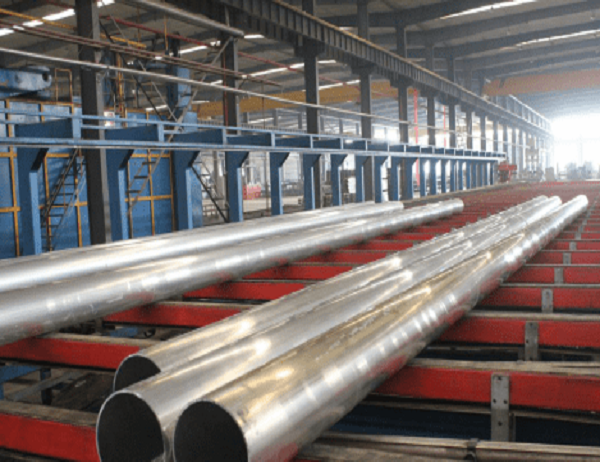
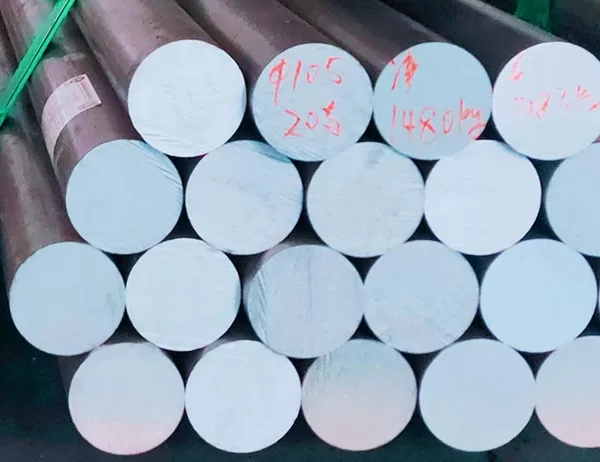
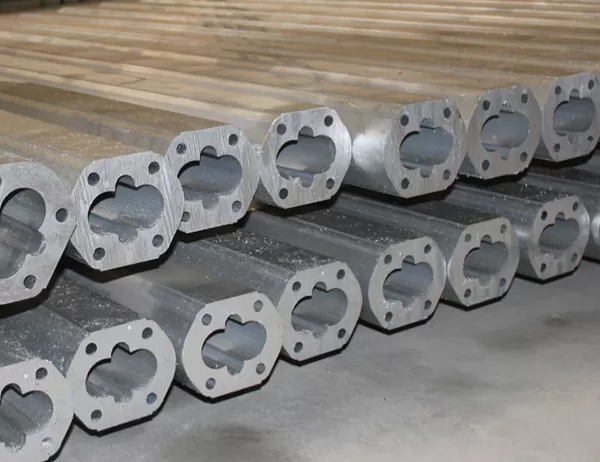
Aluminum, renowned for its remarkable strength-to-weight ratio, is a sought-after material for solar panel frames. Its inherent lightness makes for easy handling and installation, reducing the overall labor and transportation costs associated with the project. Moreover, aluminum’s corrosion resistance ensures durability even in harsh environments, safeguarding the panels from rust and premature degradation. However, the premium price tag attached to aluminum can be a deterring factor.
Steel: The Strength Stalwart
Steel, the stalwart of construction materials, offers a compelling alternative to aluminum. Its exceptional tensile strength and high load-bearing capacity lend an air of durability and resilience to solar panel frames. Unlike aluminum, steel is less prone to bending or warping, ensuring the panels remain securely in place and maintain their optimal efficiency over time. Additionally, steel’s affordability makes it a cost-effective option for large-scale solar installations. Yet, its heavy weight can pose challenges in handling and transportation, potentially increasing project expenses.
Comparative Analysis
When comparing aluminum and steel solar panel frames, the following factors play a crucial role in determining the most suitable choice:
Cost: Aluminum frames command a higher upfront cost, while steel frames are more budget-friendly.
Weight: Aluminum frames are significantly lighter than steel frames, simplifying handling and installation.
Strength: Steel frames boast superior strength and load-bearing capacity, ensuring panel security and durability.
Corrosion Resistance: Aluminum frames excel in corrosion resistance, protecting the panels from rust and environmental damage.
Longevity: Both aluminum and steel frames offer long lifespans, but steel frames may require more frequent maintenance due to their susceptibility to rust.
Conclusion
The choice between aluminum and steel solar panel frames hinges on the specific project requirements and financial considerations. For large-scale installations where cost-effectiveness and strength are paramount, steel frames may be the wiser option. However, if weight reduction, corrosion resistance, and ease of installation are top priorities, aluminum frames emerge as the superior choice. Ultimately, by carefully evaluating these factors, solar installers and homeowners can make an informed decision that optimizes performance, affordability, and durability for their solar energy endeavors.