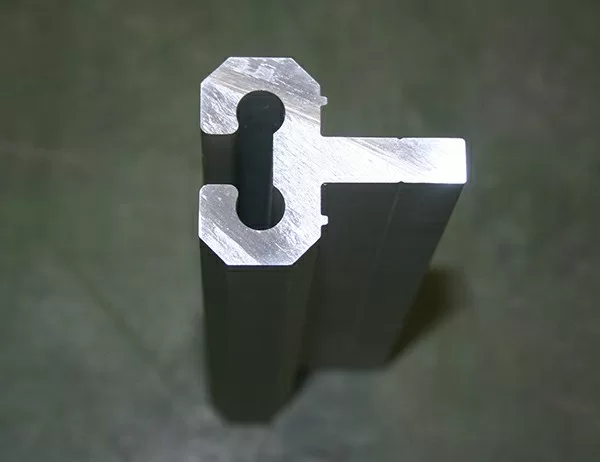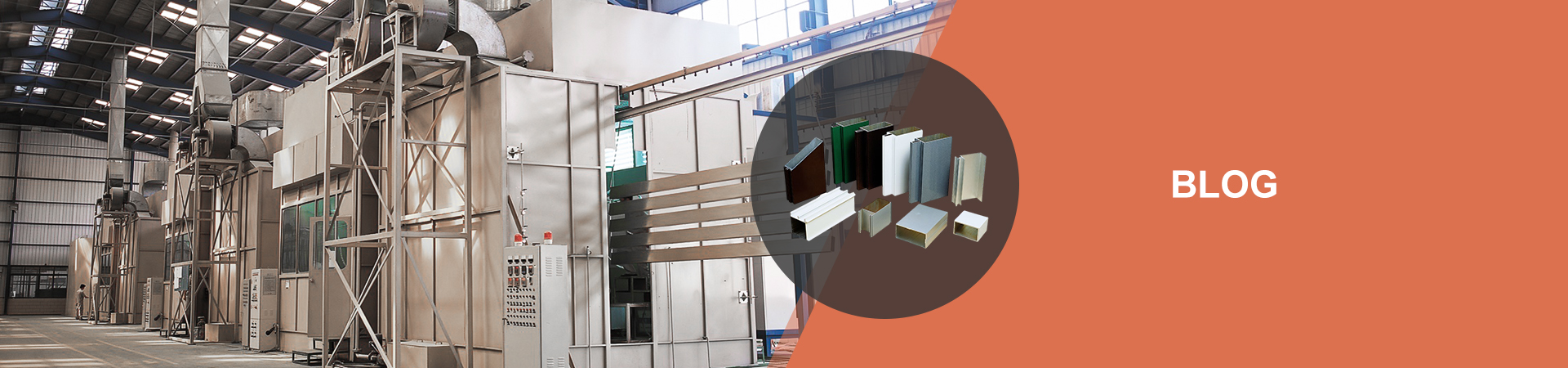
Aluminum track profiles are vital components in various applications, ranging from industrial machinery to residential homes. Understanding the diverse types and their distinct features is crucial for selecting the optimal profile for specific needs.
Material Strength and Durability
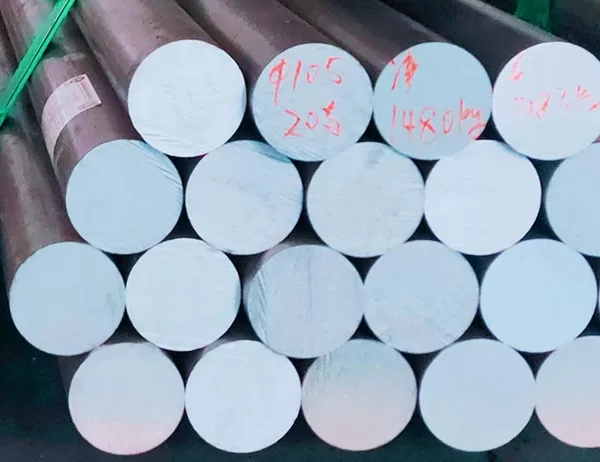
Aluminum track profiles are primarily composed of 6000-series aluminum alloys, which offer a balance of strength, weight, and corrosion resistance. However, the exact alloy composition can vary, affecting the profile’s mechanical properties. The addition of alloying elements like magnesium and manganese enhances strength, while heat treatment processes further improve hardness and wear resistance.
Dimensional Precision and tolerances
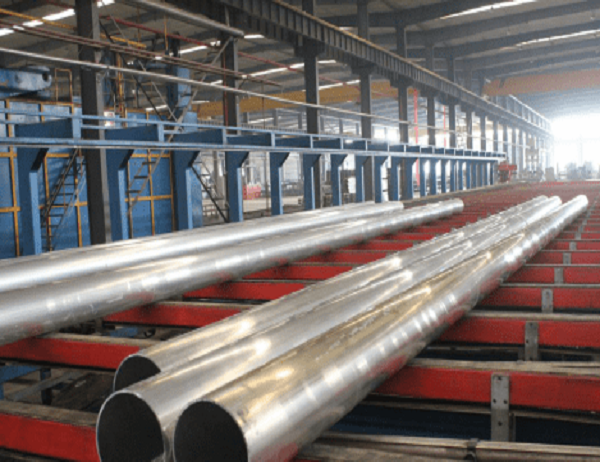
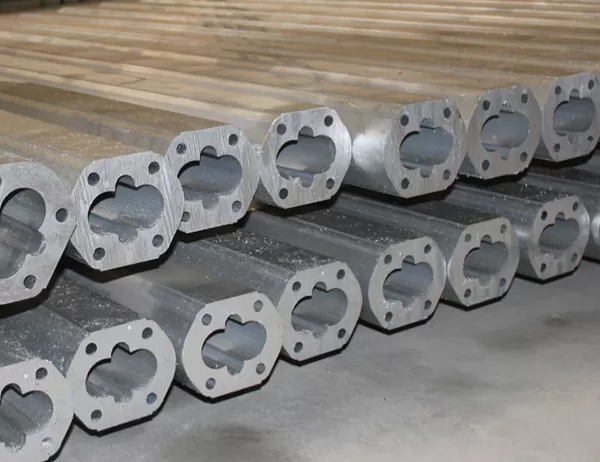
The dimensional accuracy of aluminum track profiles is critical for ensuring proper assembly and functionality. Different manufacturing processes achieve varying levels of precision. Extruded profiles offer tight tolerances and consistent dimensions due to the controlled plastic deformation involved. On the other hand, roll-formed profiles may exhibit slight variations in thickness and width, which can affect performance in specific applications.
Surface Finish and Corrosion Resistance
The surface finish of aluminum track profiles plays a significant role in their aesthetics and corrosion resistance. Anodizing is a common treatment that creates a protective oxide layer, enhancing durability and providing a range of color options. Powder coating is another popular finish that offers increased resistance to scratches and wear. The thickness and quality of the surface finish directly impact the profile’s longevity and appearance.
Compatibility and Customization
When selecting aluminum track profiles, compatibility with other components is crucial. Profile designers consider the shape, dimensions, and mounting options to ensure seamless integration. Additionally, customization capabilities allow for tailored solutions. Manufacturers can modify profiles to meet specific requirements, such as length, hole patterns, or special features, to accommodate diverse application needs.
Weight and Load Capacity
The weight and load capacity of aluminum track profiles are important considerations, especially for structural or load-bearing applications. Extruded profiles generally offer higher load capacity devido to their solid construction, while roll-formed profiles may be more lightweight but have lower load-bearing capabilities. By understanding the weight and load requirements of the application, an appropriate profile can be selected to ensure optimal performance.
Versatility and Applications
Aluminum track profiles find applications in numerous industries. In construction, they are used as framing, curtain walls, and window tracks. In industrial settings, they serve as guides for machinery, conveyor systems, and automation equipment. Additionally, they are commonly incorporated into furniture, signage, and lighting fixtures. The versatility of aluminum track profiles makes them suitable for a wide range of requirements.