Industrial aluminum profiles are versatile and widely used in various industries, offering numerous advantages such as strength, durability, and corrosion resistance. To make informed decisions when selecting the most suitable profile for a specific application, it is essential to understand the different types and their distinctive characteristics.
6000 Series Aluminum Profiles
6000 series aluminum profiles are heat-treatable alloys, making them stronger and more durable than non-heat-treatable alloys. They are primarily used in structural applications, transportation, and marine environments due to their exceptional strength-to-weight ratio and resistance to corrosion.
6061 Aluminum Profile
6061 aluminum profile is a highly versatile and widely used alloy, characterized by its excellent weldability, machinability, and strength. It offers a good balance between strength and ductility, making it suitable for a wide range of applications, including automotive parts, machinery, and electronics.
6082 Aluminum Profile
6082 aluminum profile is known for its increased strength and toughness compared to 6061. It is commonly used in structural applications where high strength is required, such as bridges, cranes, and offshore structures. Additionally, it is resistant to stress corrosion cracking, making it ideal for marine environments.
7000 Series Aluminum Profiles
7000 series aluminum profiles are the strongest and hardest among aluminum alloys. They are heat-treatable alloys, but their strength comes at the expense of lower ductility. They are primarily used in aerospace, defense, and high-performance applications where strength and durability are paramount.
7075 Aluminum Profile
7075 aluminum profile is the strongest and most commonly used alloy in the 7000 series. It offers exceptional strength-to-weight ratio, high fatigue strength, and good corrosion resistance. It is commonly found in aircraft components, high-performance racing cars, and sports equipment.
Other Factors to Consider
In addition to the alloy type, several other factors should be considered when comparing industrial aluminum profiles:
Profile Geometry
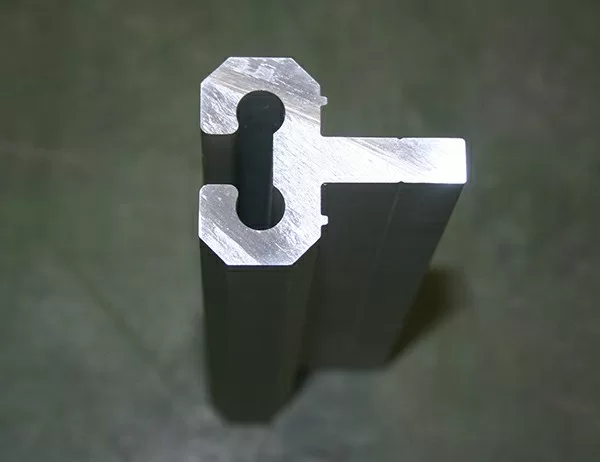
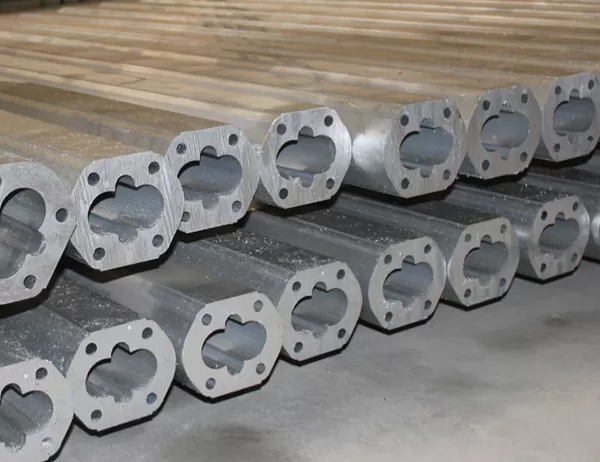
The geometry of the profile, such as its shape, thickness, and dimensions, influences its strength, stiffness, and weight. Profiles with thicker walls and complex shapes generally offer higher strength and rigidity.
Surface Treatment
Surface treatments, such as anodizing or painting, enhance the corrosion resistance, durability, and appearance of aluminum profiles. Anodized profiles provide excellent corrosion protection, while painted profiles offer a range of color and aesthetic options.
Heat Treatment
Heat treatment can significantly alter the properties of aluminum profiles. It can increase strength and hardness but may reduce ductility. The specific heat treatment process used depends on the desired performance characteristics.
Conclusion
Choosing the right type of industrial aluminum profile involves carefully considering the application requirements and the specific characteristics of different alloys, profiles, and treatments. By understanding the distinctions between 6000 and 7000 series alloys, the role of profile geometry, surface treatments, and heat treatments, engineers and designers can optimize their designs and select the most suitable aluminum profiles for their projects.