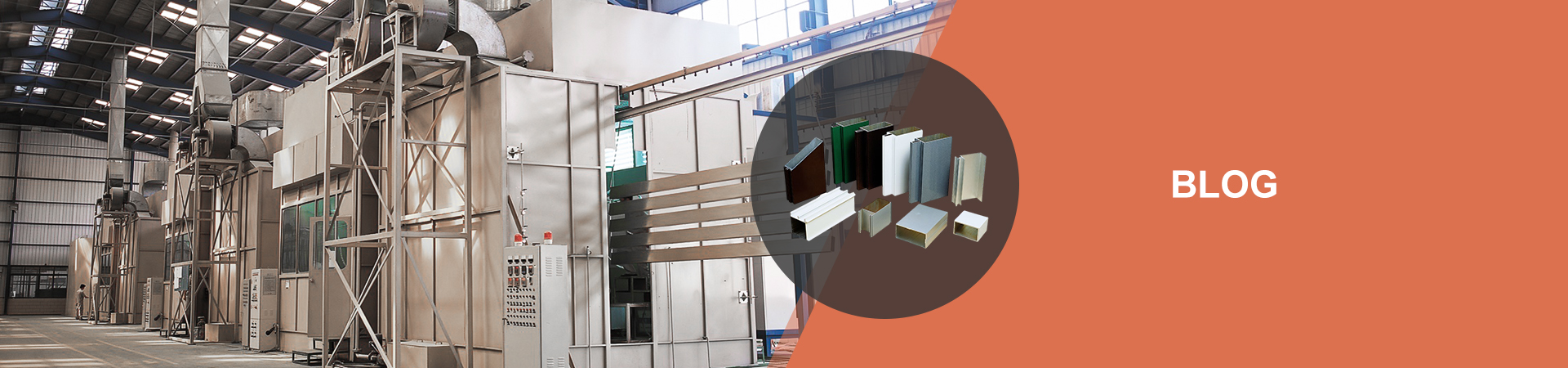
In the world of metalworking, aluminium is a highly sought-after material due to its lightweight, durability, and versatility. Aluminium can be processed using various techniques, including extrusion and rolling, to create a wide range of products. In this article, we will explore the differences between extruded aluminium tubes and rolled aluminium products, highlighting their unique properties and applications.
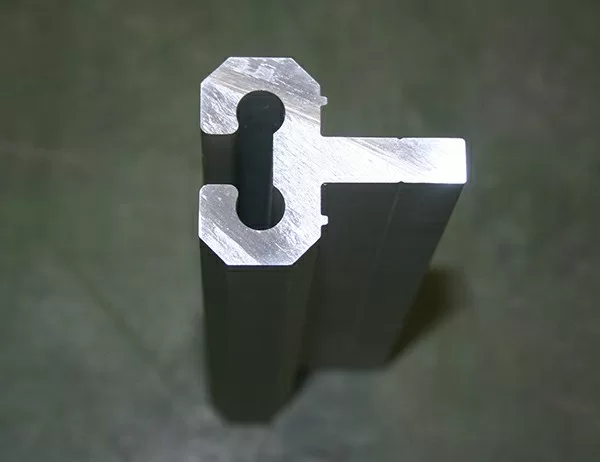
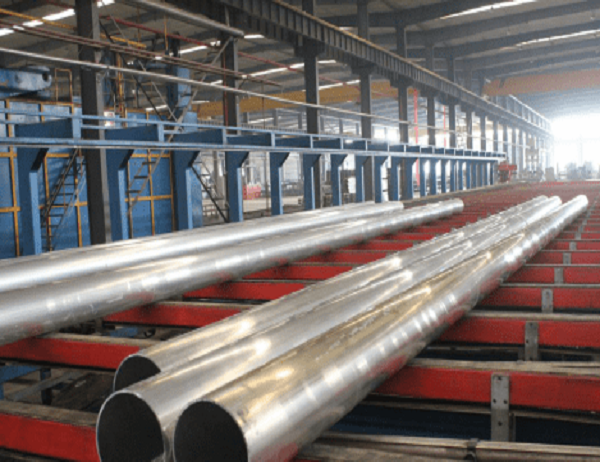
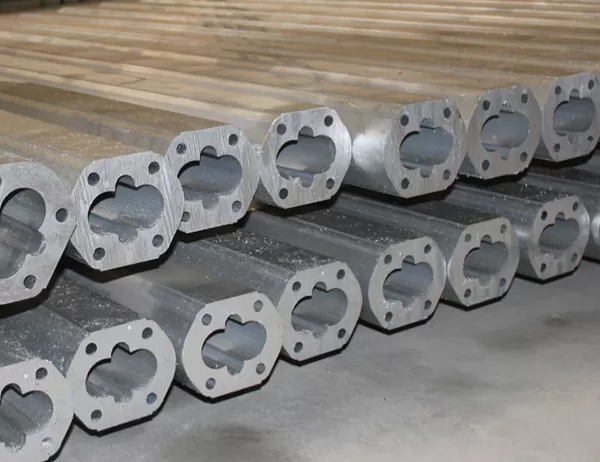
Extrusion involves forcing molten aluminium through a shaped die to create a continuous profile. This process produces tubes with precise cross-sectional shapes, such as round, square, or rectangular. Extruded tubes are typically stronger and more uniform than rolled products due to the high pressure and controlled cooling involved in the extrusion process.
Rolling involves passing aluminium sheets or coils through a series of rollers to reduce their thickness and create a desired shape. Rolled products, such as sheets, plates, and coils, offer greater flexibility in terms of dimensions and thickness. They can be easily bent, cut, and shaped, making them suitable for a variety of applications.
Extruded aluminium tubes are generally stronger than rolled products due to their uniform grain structure and high density. The extrusion process aligns the aluminium crystals in a specific direction, resulting in increased strength and resistance to deformation. Rolled products, while still durable, may exhibit some variability in strength due to the flattening process.
Extruded tubes offer excellent dimensional accuracy due to the controlled nature of the extrusion process. The die’s shape determines the final tube’s cross-section, ensuring consistent dimensions throughout the length. Rolled products, on the other hand, may have some variations in thickness or shape, especially when working with thicker materials.
Extruded tubes typically have a smoother surface finish than rolled products. The extrusion process produces a highly polished surface, which can be further enhanced through anodizing or painting. Rolled products, while still having a good surface finish, may require additional finishing processes to achieve a desired aesthetic appearance.
Extruded aluminium tubes are commonly used in applications where strength, precision, and corrosion resistance are critical, such as structural components, heat exchangers, and fluid conveyance systems. Rolled aluminium products are ideal for flat or sheet-like applications, such as roofing, siding, and automotive body panels.
Extruded Aluminium Tubes
Advantages:
– High strength and durability
– Precision dimensional accuracy
– Smooth surface finish
Disadvantages:
– Limited shape flexibility
– Higher production costs
Rolled Aluminium Products
Advantages:
– Versatile shapes and dimensions
– Lower production costs
– Easy to form and fabricate
Disadvantages:
– Lower strength
– Potential dimensional variations
– May require additional finishing processes
Both extruded aluminium tubes and rolled aluminium products offer distinct advantages depending on specific application requirements. Extruded tubes excel in applications requiring strength, precision, and durability, while rolled products provide flexibility, cost-effectiveness, and ease of fabrication. Understanding the differences between these two types of aluminium products is essential for selecting the most appropriate material for your project.