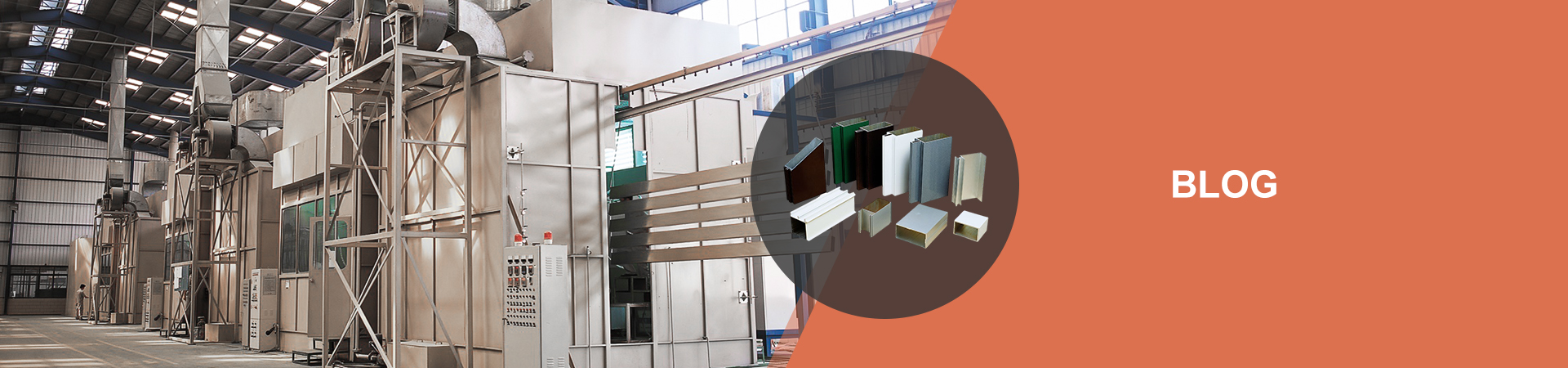
Aluminium track profiles are widely used in various industries due to their lightweight, durability, and corrosion-resistant properties. However, the corrosion resistance of aluminium can be influenced by several factors, making it essential to consider specific measures to ensure their longevity and performance.
Alloy Selection
The composition and alloying elements in aluminium can significantly impact its corrosion resistance. Alloys with higher magnesium and silicon content, such as 6000-series aluminium, offer enhanced resistance to corrosion compared to pure aluminium.
Surface Treatment
Surface treatments, such as anodising and painting, play a crucial role in protecting aluminium track profiles from corrosion. Anodising creates a protective oxide layer that enhances the material’s resistance to wear and abrasion, while painting provides a barrier against moisture and environmental exposure.
Design Considerations
The design of aluminium track profiles should minimize potential corrosion risks. Sharp edges and corners can create areas where moisture can accumulate, promoting corrosion. Smooth surfaces and rounded edges facilitate drainage and reduce the likelihood of corrosion initiation.
Environmental Conditions
The environment in which aluminium track profiles are used can influence their corrosion susceptibility. Exposure to corrosive substances, such as acids, alkalis, or salt spray, can accelerate corrosion. Proper selection of materials and protective coatings is essential in these environments.
Maintenance and Monitoring
Regular maintenance and monitoring are vital for maintaining the corrosion resistance of aluminium track profiles. Periodic cleaning and inspection can detect early signs of corrosion and allow for timely interventions, such as re-coating or replacing damaged sections.
Conclusion
By considering the above factors, it is possible to optimize the corrosion resistance of aluminium track profiles and ensure their long-term performance. Proper alloy selection, surface treatment, design considerations, attention to environmental conditions, and diligent maintenance practices will contribute to the durability and reliability of these profiles in demanding applications.