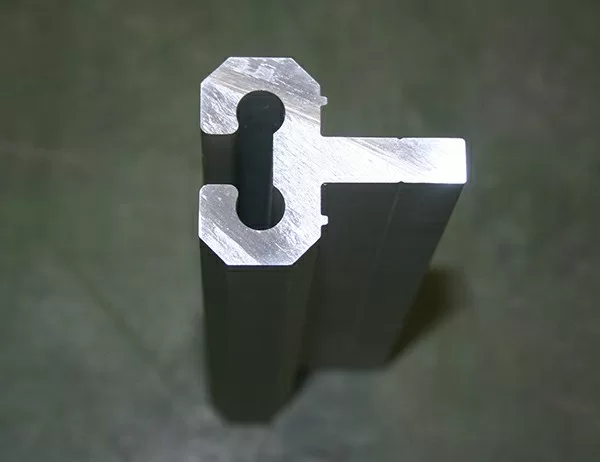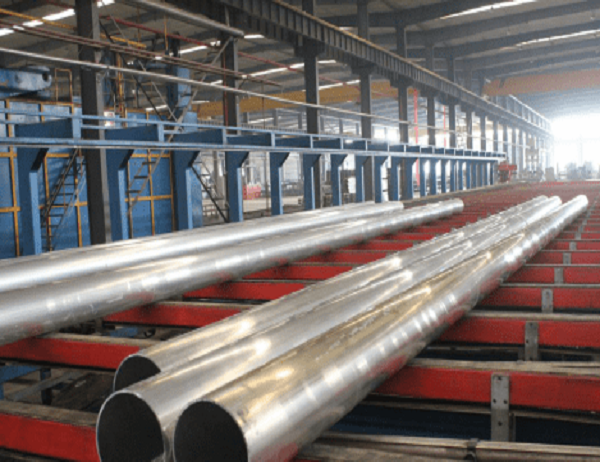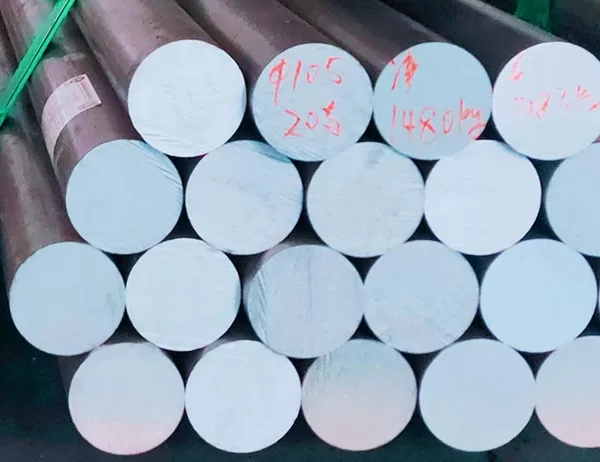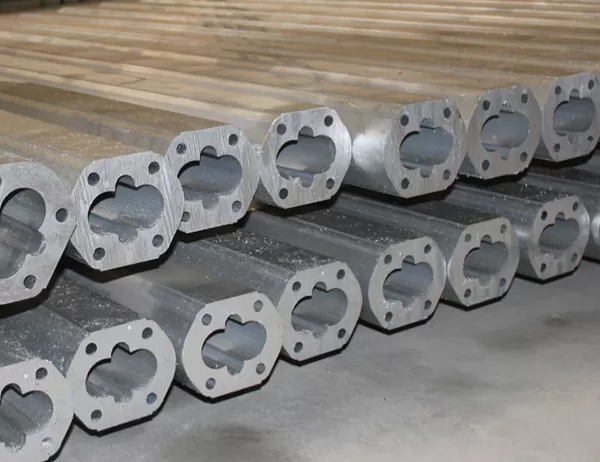
Polished aluminum angles, with their sleek appearance and exceptional durability, offer cost-effective solutions across diverse industries. These versatile profiles combine functionality with aesthetics, providing engineers, architects, and contractors with reliable and affordable options. This article delves into the advantages of polished aluminum angles, highlighting their diverse applications and the value they bring to various projects.
Polished aluminum angles undergo precise fabrication processes that ensure dimensional accuracy and consistent quality. The manufacturing techniques allow for sharp angles and clean edges, eliminating the need for additional machining or finishing. This precision fabrication reduces material waste and labor costs, making them an economical choice for complex designs.
Polished aluminum angles possess exceptional corrosion resistance due to the formation of a protective oxide layer on their surface. This natural protection guards against environmental factors, chemicals, and wear, increasing their longevity and reducing maintenance costs. Their resistance to rust and discoloration makes them suitable for outdoor applications, coastal environments, and areas with high humidity.
Polished aluminum angles provide excellent structural integrity and support due to their inherent strength and rigidity. Their L-shaped profile distributes weight evenly, creating stable frameworks and reducing the risk of bending or deformation. This structural stability allows for the creation of lightweight yet durable structures, saving on material costs and facilitating efficient construction practices.
Polished aluminum angles offer unmatched design flexibility due to their malleability and easy workability. They can be easily cut, drilled, punched, and shaped to create intricate designs and custom solutions. This versatility enables the creation of aesthetic and functional structures, enhancing the visual appeal and practicality of projects.
Polished aluminum angles find applications in a wide range of industries, including construction, automotive, marine, and manufacturing. Their durability and corrosion resistance make them ideal for exterior architectural features, such as window frames, railings, and curtain walls. In the automotive industry, they are used to create structural components, chassis frames, and interior trim. In marine applications, they provide corrosion-resistant support for boat frames and decking.
Polished aluminum angles offer cost-effective and versatile solutions for various industries. Their precision fabrication ensures dimensional accuracy, while their corrosion resistance and structural integrity contribute to their durability and longevity. The design flexibility of polished aluminum angles allows for customized solutions, and their diverse applications range from architectural frames to automotive components. By leveraging the advantages of polished aluminum angles, engineers, architects, and contractors can achieve cost-effective, reliable, and aesthetically pleasing results for their projects.