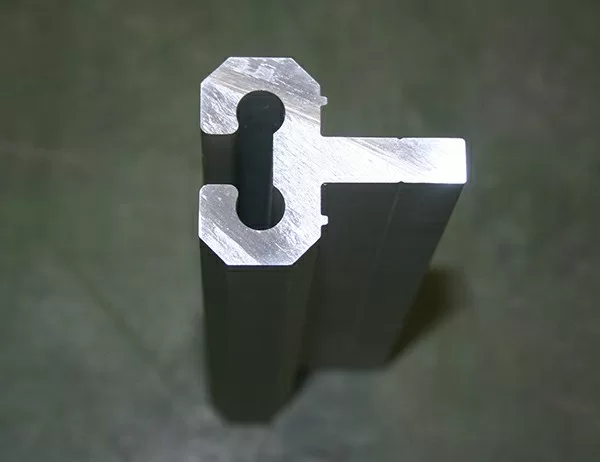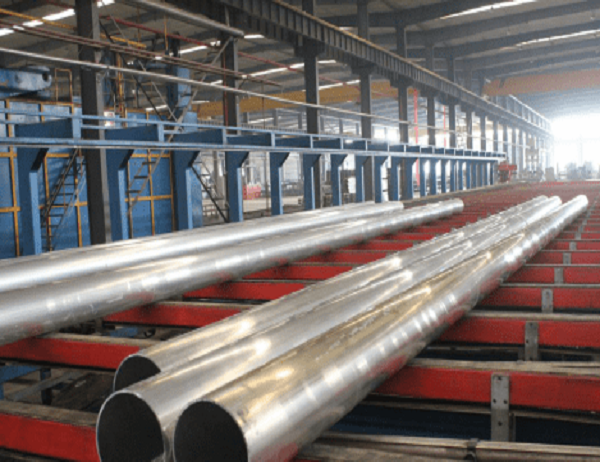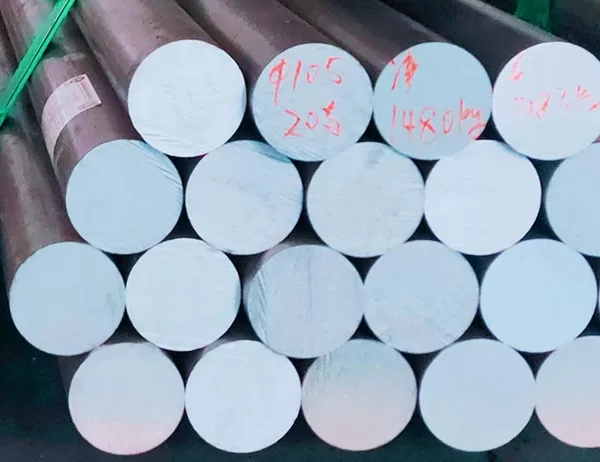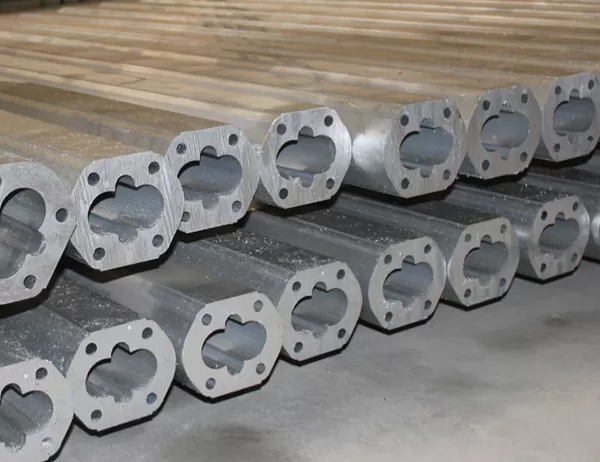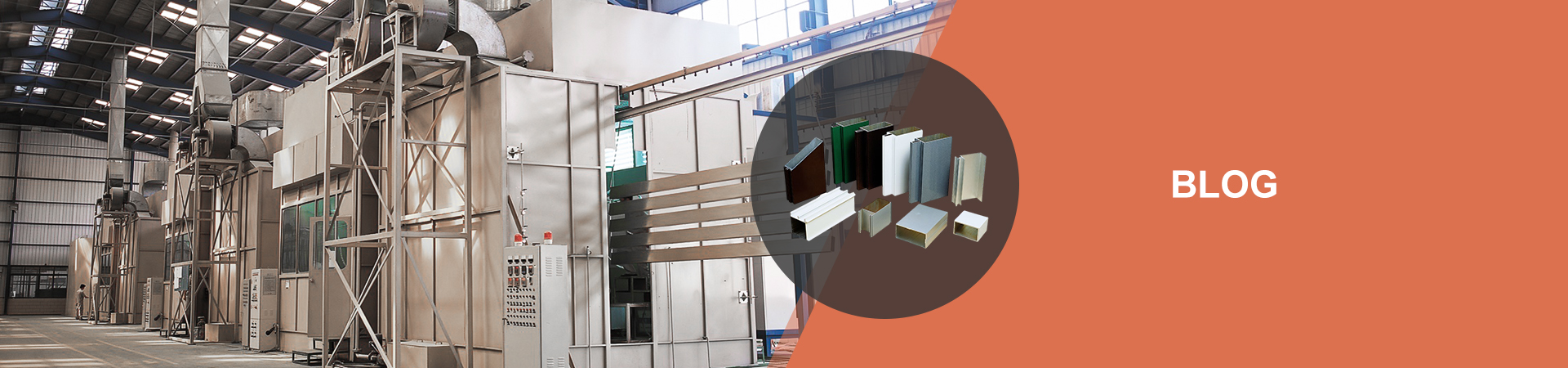
Solar energy systems have become increasingly popular as a sustainable and renewable source of energy. Solar aluminum profiles play a vital role in these systems, providing structural support and versatility. This article explores the innovative applications of solar aluminum profiles in solar energy systems, showcasing their advantages and potential in driving the transition to clean energy.
Structural Support and Rigidity
Solar panels require a sturdy framework to withstand various environmental forces, such as wind and snow loads. Solar aluminum profiles are ideal for this purpose, thanks to their high strength-to-weight ratio and excellent corrosion resistance. These profiles can be used to create mounting systems, support structures, and frames for solar panels, ensuring their stability and longevity.
Flexibility and Customization
Solar energy systems often have complex designs and require customization to fit specific site requirements. Solar aluminum profiles offer unparalleled flexibility, allowing engineers to design and fabricate custom structures that meet the unique demands of each project. The profiles can be easily cut, shaped, and joined using standard tools, providing limitless design possibilities.
Heat Dissipation
Solar panels generate heat during operation, which can impact their efficiency and lifespan. Solar aluminum profiles play a crucial role in heat dissipation by conducting heat away from the panels. The high thermal conductivity of aluminum allows for efficient heat transfer, preventing overheating and maintaining optimal operating temperatures.
Lightweight and Durability
Solar energy systems are often installed in remote locations or on rooftops, where weight is a critical consideration. Solar aluminum profiles are lightweight, reducing the overall burden on structures and facilitating ease of installation. Additionally, the durable nature of aluminum ensures that these profiles can withstand harsh environmental conditions, providing long-lasting performance.
Aesthetics and Integration
Solar energy systems can be visually impactful, and the appearance of the installation can affect its acceptability. Solar aluminum profiles offer aesthetic versatility, allowing for seamless integration into building designs. The profiles can be anodized or painted in desired colors to match the surrounding architecture, enhancing the overall aesthetic appeal.
Cost-Effectiveness and Sustainability
Solar aluminum profiles are a cost-effective option compared to traditional materials such as steel or wood. Their durability and low maintenance requirements further contribute to long-term savings. Moreover, aluminum is a sustainable material that can be recycled multiple times, minimizing environmental impact and supporting the circular economy.
Case Study: Solar Carports and Canopies
Solar aluminum profiles have been extensively used in the construction of solar carports and canopies. These structures provide shelter for vehicles while harnessing solar energy to generate electricity. The strong and lightweight properties of aluminum profiles enable the construction of large-scale canopies that can withstand heavy loads and adverse weather conditions.
Conclusion
Solar aluminum profiles have proven to be a transformative material in the advancement of solar energy systems. Their versatility, durability, cost-effectiveness, and sustainability make them an ideal choice for structural support, heat dissipation, and aesthetic integration. As the demand for clean energy continues to grow, solar aluminum profiles will undoubtedly play an increasingly critical role in the transition to a more sustainable future.