In various industries, high-power electronic systems generate excessive heat that can degrade performance and shorten lifespans. Aluminum heat sinks are essential components for dissipating this heat, but standard solutions may not always meet the unique demands of specialized applications. Customizing aluminum heat sinks offers a tailored solution to optimize cooling performance and enhance system reliability.
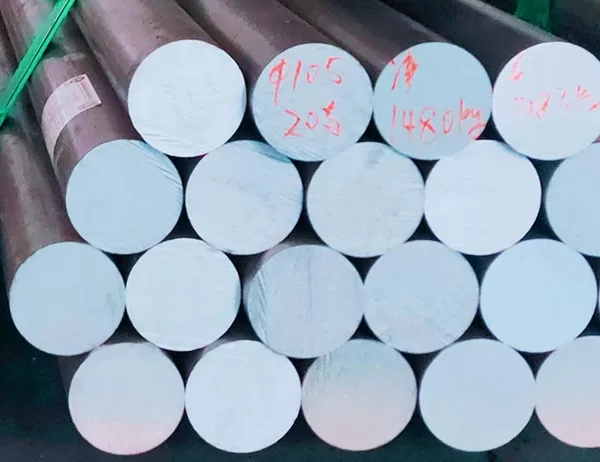
The selection of aluminum alloys used in heat sinks is crucial. Different alloys exhibit varying thermal conductivity, weight, and strength properties. For applications requiring high heat dissipation, alloys like 6061 and 6063 provide excellent thermal conductivity and strength. For lightweight applications, 5052 and 5754 alloys offer a balance of thermal performance and weight reduction.
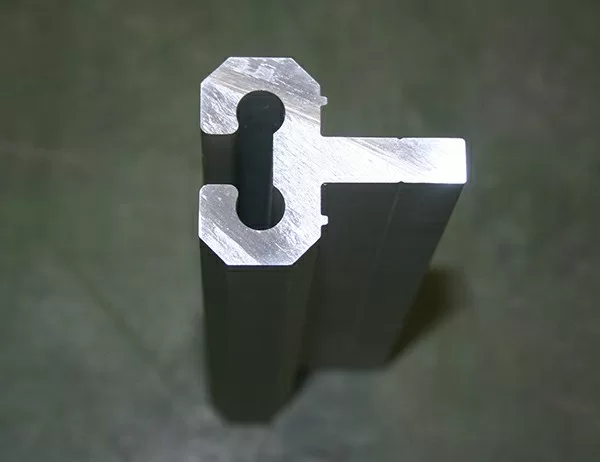
The geometry and density of heat sink fins play a significant role in heat transfer. By customizing the fin shape and spacing, manufacturers can maximize the surface area exposed to the surrounding airflow. This increases heat dissipation efficiency. Additionally, increasing the number of fins per unit area enhances cooling performance, but must be balanced with considerations of weight and flow resistance.
Surface treatments can significantly enhance the heat transfer capabilities of aluminum heat sinks. Anodizing, for instance, creates a protective oxide layer that increases corrosion resistance and promotes heat dissipation. Parylene coating provides a thin, conformal barrier that further enhances surface area and heat transfer. By customizing the surface treatment, manufacturers can tailor heat sinks to specific operating environments and performance requirements.
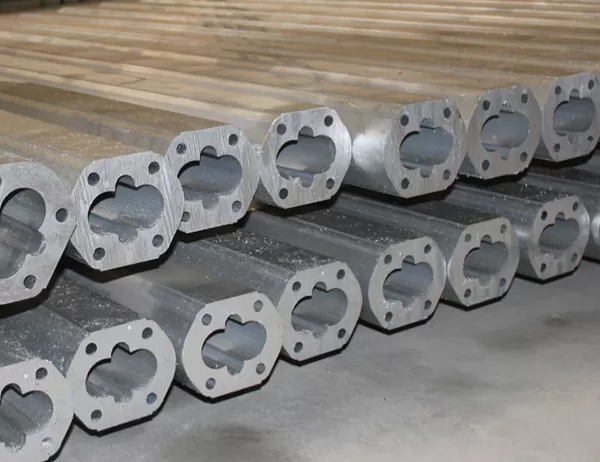
Customizing the mounting and attachment options of heat sinks enables seamless integration into various systems. Manufacturers can design heat sinks with mounting holes, clips, or thermal interface materials that match the specific mounting requirements of the electronic components. By providing flexible mounting solutions, heat sinks can be easily installed and removed for maintenance or replacement.
Customizing aluminum heat sinks also involves considering environmental factors. Lightweight heat sinks can reduce the overall weight of the system, minimizing transportation costs and environmental impact. Additionally, eco-friendly manufacturing processes and recyclable materials can contribute to the sustainability goals of various industries.
Beyond these key aspects, customization of aluminum heat sinks may extend to other considerations, including:
Thermal Analysis and Validation
Thermal simulations help manufacturers optimize heat sink designs and validate their performance before production.
Cost-Effective Solutions
Customizing heat sinks enables manufacturers to balance performance and cost considerations, ensuring cost-effective solutions without compromising efficiency.
Durability and Reliability
By using high-quality materials and robust construction techniques, manufacturers can enhance the durability and reliability of custom heat sinks, ensuring long-term performance.
Customizing aluminum heat sinks for specialized applications empowers engineers and system designers with tailored solutions. By carefully considering material selection, fin geometry, surface treatment, mounting options, environmental factors, and other aspects, manufacturers can create heat sinks that optimize heat dissipation, enhance performance, and meet the unique requirements of various industries. By embracing customization, businesses can achieve greater efficiency, reliability, and sustainability in their electronic systems.