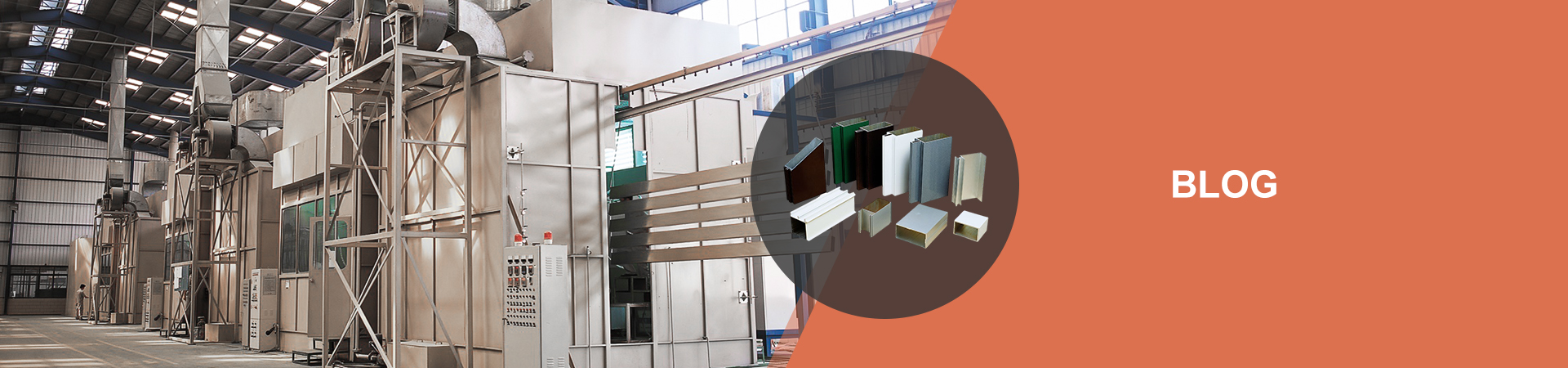
Extruded aluminum pipes offer a unique combination of lightweight, strength, and versatility, making them ideal for a wide range of industries. However, to meet the specific requirements of different applications, it is essential to customize these pipes. This article explores various aspects of customizing extruded aluminum pipes, providing insights for engineers and designers seeking tailored solutions.
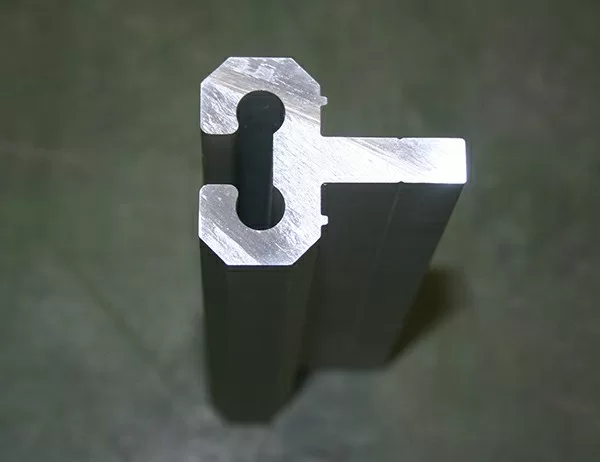
Extruded aluminum pipes can be customized in terms of their shape and dimensions. Round, square, rectangular, and oval shapes are commonly available. The diameter or width, height, and wall thickness can be precisely tailored to suit the specific needs of the application. This customization ensures optimal compatibility with assembly components and minimizes the need for additional machining or fabrication.
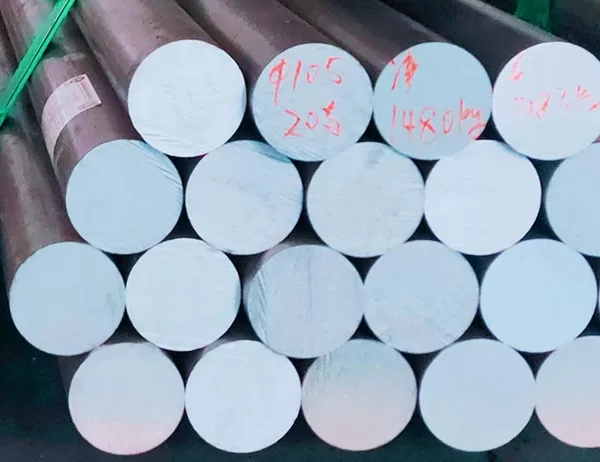
Various aluminum alloys are utilized for extruded pipes, each with its unique properties. The selection of alloy depends on factors such as strength requirements, corrosion resistance, and weldability. 6061 and 6063 alloys are widely used for their high strength-to-weight ratio, while 5052 and 5754 alloys offer exceptional corrosion resistance. Customized alloy selection optimizes performance and durability for specific applications.
Extruded aluminum pipes can be subjected to various surface treatments to enhance their appearance, durability, and functionality. Anodizing creates a protective oxide layer, improving corrosion resistance and wear resistance. Painting provides aesthetic appeal and additional protection from the elements. Powder coating offers a durable and attractive finish with excellent adhesion properties. These surface treatments allow for color matching, branding, and customization to suit specific design preferences.
Maintaining precise tolerances during extrusion is crucial for applications where dimensional accuracy is critical. Tight tolerances ensure proper fit and function, reducing assembly time and minimizing the risk of malfunction. Extruded aluminum pipes can be customized to meet specific tolerance requirements, ensuring optimal performance and reliability in demanding applications.
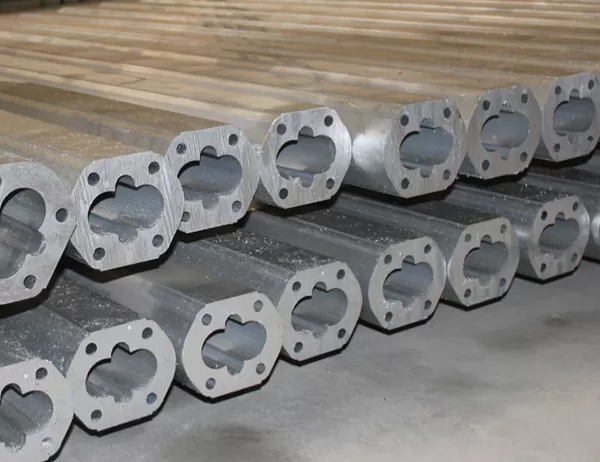
Beyond shape, material, surface treatment, and tolerances, extruded aluminum pipes can be customized with additional features to enhance their functionality. Grooves, slots, holes, and threads can be incorporated during the extrusion process. These features eliminate the need for secondary machining operations, reducing manufacturing time and costs. They also allow for easy integration with other components and facilitate secure assembly.
Customizing extruded aluminum pipes offers numerous benefits:
Optimized Performance: Tailored to specific application requirements, ensuring optimal performance and efficiency.
Reduced Costs: Elimination of secondary machining and fabrication processes, leading to lower manufacturing costs.
Faster Assembly: Precise dimensions and additional features facilitate quick and easy assembly, reducing downtime.
Enhanced Aesthetics: Surface treatments and color customization improve appearance and provide corrosion protection.
Increased Versatility: Customized pipes can accommodate unique design requirements, expanding the range of applications.
Customizing extruded aluminum pipes enables engineers and designers to create solutions that precisely meet specific needs. By considering factors such as shape, material, surface treatment, tolerances, and additional features, it is possible to optimize performance, enhance durability, and streamline manufacturing processes. The versatility and adaptability of extruded aluminum pipes make them an ideal material for a wide range of industries, from construction to aerospace.