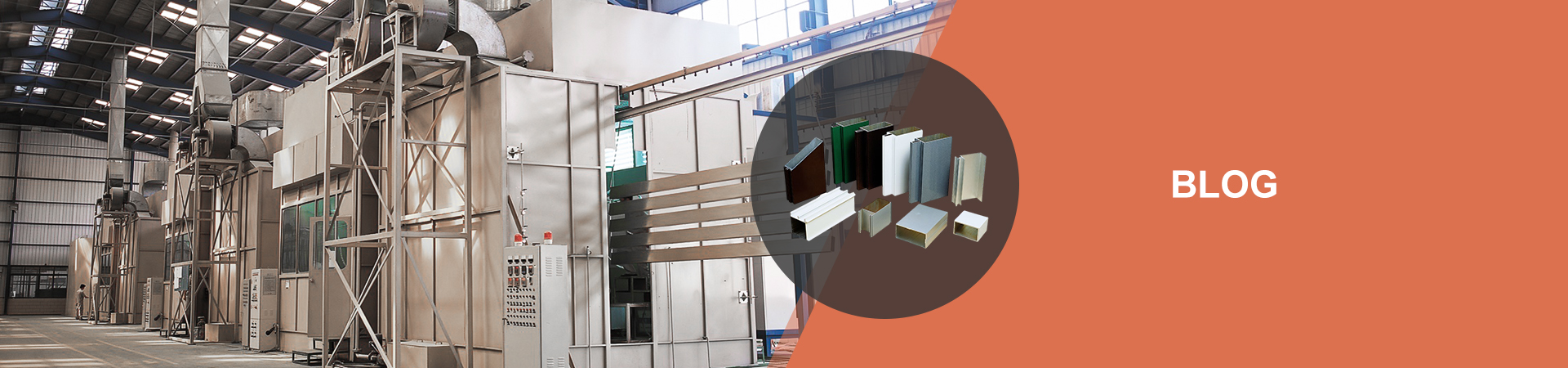
Polished aluminum angle is a versatile material that offers both strength and flexibility for a wide range of applications. Its unique properties make it an ideal choice for projects that require both durability and design flexibility. This article will delve into the various aspects of designing with polished aluminum angle, providing insights into its benefits, uses, and considerations.
Benefits of Using Polished Aluminum Angle
Durability and Strength: Aluminum is known for its exceptional strength-to-weight ratio, making it a robust material for structural applications. Polished aluminum angle provides even greater strength and durability, ensuring long-lasting performance.
Corrosion Resistance: Aluminum forms a protective oxide layer that protects it from corrosion. Polished aluminum angle further enhances this resistance, making it an excellent choice for exterior applications or environments with high humidity.
Design Flexibility: The ability to bend and shape polished aluminum angle allows for unparalleled design flexibility. It can be easily customized to fit virtually any architectural or structural requirement.
Lightweight and Cost-Effective: Aluminum angle is lightweight, reducing material costs and facilitating installation. Its ease of fabrication also contributes to cost savings.
Applications of Polished Aluminum Angle
The versatility of polished aluminum angle makes it suitable for a wide array of applications:
Architectural Cladding: The strength and weather resistance of polished aluminum angle make it ideal for cladding buildings, facades, and soffits.
Structural Frames: Its durability and ability to carry loads make it a valuable material for constructing structural frames, particularly in lightweight constructions.
Display Stands and Shelving: The sleek appearance and flexibility of polished aluminum angle make it an excellent choice for designing display stands, shelving, and other retail fixtures.
Handrails and Stair Balustrades: The combination of strength and aesthetics makes polished aluminum angle suitable for constructing handrails, stair balustrades, and other safety features.
Furniture and Decor: The decorative appeal of polished aluminum angle makes it a popular choice for furniture legs, picture frames, and other decorative elements.
Considerations for Designing with Polished Aluminum Angle
Corrosion Protection: While polished aluminum angle has good corrosion resistance, additional protection may be necessary in highly corrosive environments.
Surface Finish: The polished surface of the aluminum angle can be prone to scratches and dents, so careful handling is recommended.
Anodizing or Painting: To improve its corrosion resistance and durability, polished aluminum angle can be anodized or painted.
Fastening Methods: Since aluminum is a soft metal, proper fastening methods are crucial. Self-tapping screws or rivets are often recommended.
Engineering Considerations: Projects involving significant load-bearing or structural applications require careful engineering considerations to ensure safety and stability.