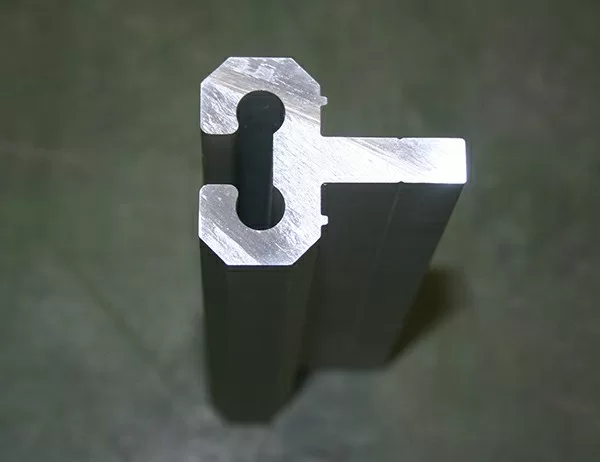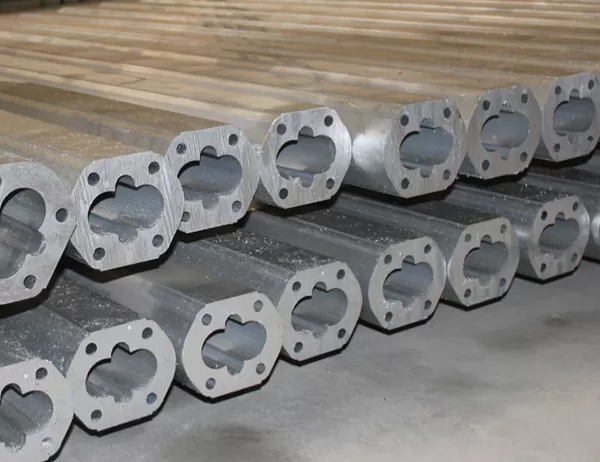
DIY kitchen projects with aluminum profiles offer a cost-effective and customizable way to upgrade your kitchen. Whether you’re looking to create new shelves, drawers, or even a complete kitchen island, aluminum profiles provide a versatile and durable solution. Here’s what you need to know to get started with your own DIY kitchen projects using aluminum profiles.
Working with aluminum profiles requires a few basic materials and tools:
Aluminum profiles: Choose profiles that are the right size and shape for your project.
Cutting tool: A miter saw or hack saw can be used to cut the profiles to length.
Joining system: Connectors or corner clamps can be used to join the profiles together.
Fasteners: Screws or bolts can be used to secure the profiles in place.
Measuring tape and level: Ensure accurate measurements and alignment.
Safety equipment: Wear safety glasses and gloves when cutting or handling aluminum profiles.
Aluminum profiles offer numerous advantages for DIY kitchen projects:
Lightweight: Aluminum is a lightweight metal, making it easy to handle and transport.
Durability: Aluminum is strong and corrosion-resistant, ensuring long-lasting durability.
Versatility: Profiles are available in various shapes and sizes, allowing for countless design possibilities.
Easy to work with: Aluminum profiles are easy to cut and join, making them suitable for DIY projects.
Aesthetics: Aluminum profiles have a clean and modern look that can complement any kitchen style.
Here are some popular kitchen project ideas using aluminum profiles:
Shelves: Create custom shelves of any size to maximize storage space.
Drawers: Build durable and functional drawers with adjustable slides.
Kitchen island: Design and build a free-standing or built-in kitchen island with storage and work surfaces.
Pantry: Organize your pantry with shelves, racks, and drawers made from aluminum profiles.
Backsplash: Create a stylish and durable backsplash by attaching aluminum profiles to the wall behind the stove or sink.
Plan your project carefully: Measure and plan your project thoroughly to ensure accurate cutting and assembly.
Use the right tools: A miter saw or hack saw is essential for precise cuts.
Secure connections: Use connectors or corner clamps to ensure strong and secure joins.
Pay attention to details: Align and level the profiles carefully for a professional-looking finish.
Experiment with different designs: Explore various profile shapes and sizes to create unique and customized kitchen projects.