DIY Tips for Working with Extruded Aluminum Tubes: Shape Your Ideas into Reality
Extruded aluminum tubes, the versatile building blocks for countless creations, offer makers and DIY enthusiasts an unparalleled canvas for their innovations. From intricate furniture designs to robust industrial applications, these tubes are ripe with possibilities. Here’s a practical DIY guide to help you harness their potential:
1. Precision Cutting:
Clean, accurate cuts are essential for seamless joining and aesthetics. Utilize a miter saw for precise angular cuts, a chop saw for perpendicular cuts, or a hacksaw for manual cutting. Clamp the tube securely to prevent slippage during sawing.
2. Deburring:
After cutting, remove sharp edges and burrs that could hinder assembly. Use a deburring tool to remove any excess material cleanly, minimizing the risk of cuts or injuries.
3. Joining Methods:
Welding: For permanent joints, consider welding techniques such as TIG or MIG welding. Ensure proper ventilation and safety precautions.
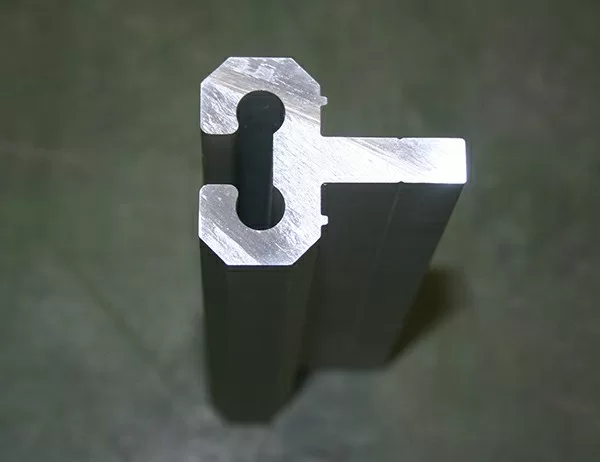
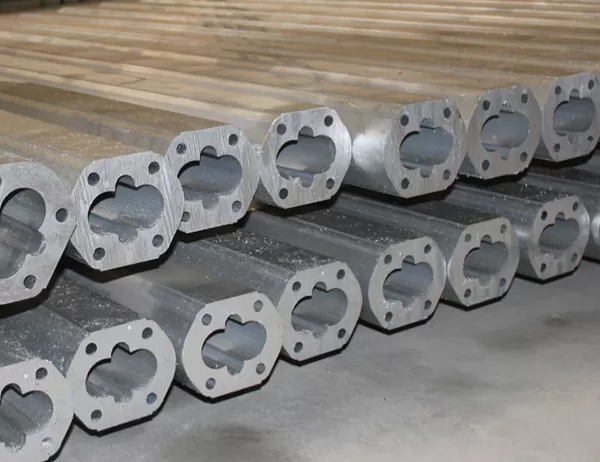
T-slots: Extruded aluminum tubes often feature integrated T-slots, allowing for quick and secure joining using T-nuts and bolts.
Mechanical Joints: Connectors, clamps, and brackets can provide convenient, non-permanent joining solutions for temporary or adjustable configurations.
4. Bending and Shaping:
Aluminum’s malleability enables bending for curved designs. Use a tube bender or carefully hand-bend the tube around a former. Heat application can make bending easier, but proceed with caution to avoid compromising the tube’s structural integrity.
5. Surface Treatment:
Anodization or powder coating can enhance the tube’s corrosion resistance and improve its aesthetic appeal. These processes create a durable protective layer on the surface.
6. Structural Considerations:
Wall Thickness: Pay attention to the wall thickness of the tube, which affects its strength and rigidity. Choose the appropriate thickness based on the intended load and application.
Structural Supports: For heavy loads or longer spans, consider adding internal supports or reinforcing elements to maintain stability.
Conclusion:
Extruded aluminum tubes empower DIYers with a versatile and robust material for shaping their creations. By following these tips, makers can unlock the full potential of these tubes, transforming their ideas into tangible realities. Remember, safety and precision are paramount; always wear appropriate protective gear and carefully follow instructions when working with these materials.