Inverters are essential components of various electronic devices, converting direct current (DC) into alternating current (AC). However, they generate significant heat during operation, necessitating the use of heat sinks to dissipate it. Conventional heat sinks often rely on non-eco-friendly materials and manufacturing processes, raising environmental concerns. To address this issue, eco-friendly options for inverter heat sinks have emerged as sustainable solutions.
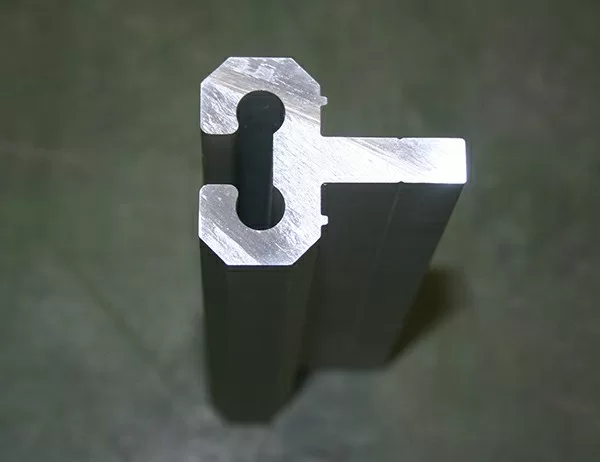
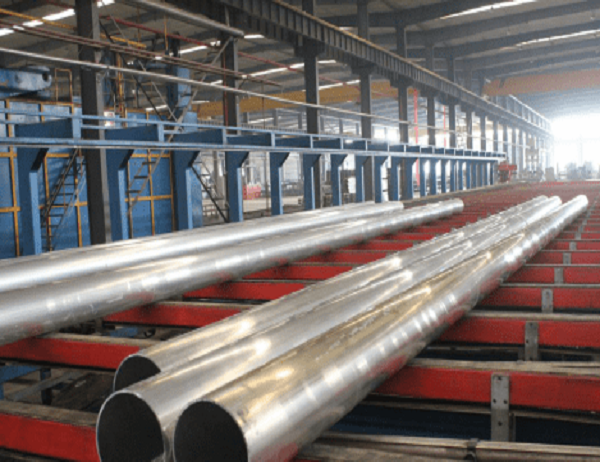
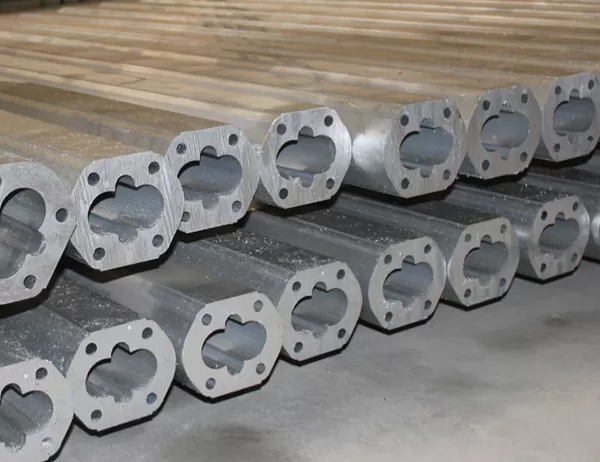
Eco-friendly inverter heat sinks can utilize natural materials such as aluminum or copper, which are both highly conductive and recyclable. Aluminum heat sinks, in particular, have a low carbon footprint during production. They are lightweight, corrosion-resistant, and offer excellent thermal dissipation properties. Copper heat sinks provide even better thermal conductivity but may have a slightly higher environmental impact due to mining and refining processes.
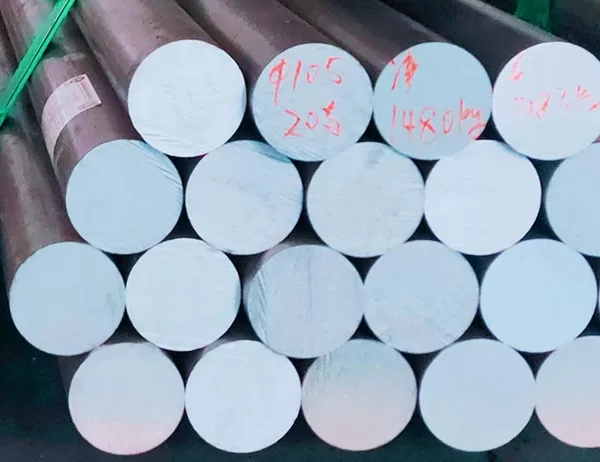
Another sustainable option is to use recycled materials for inverter heat sinks. Recycled aluminum or copper can significantly reduce the environmental impact of production. Recycled materials have a smaller carbon footprint compared to virgin materials, as they require less energy and resources to process. By utilizing recycled materials, eco-friendly heat sinks contribute to a circular economy.
Beyond material selection, eco-friendly inverter heat sinks can incorporate innovative designs to improve efficiency and reduce waste. High-fin density heat sinks increase the surface area for heat dissipation, enhancing cooling performance. Optimized airflow designs minimize air resistance and maximize heat transfer. By combining efficient designs with eco-friendly materials, these heat sinks reduce energy consumption and environmental impact.
To ensure the authenticity and credibility of eco-friendly claims, it is crucial to consider sustainability certifications. Look for heat sinks that meet industry standards such as RoHS, REACH, or UL ECOLOGO. These certifications verify compliance with environmental regulations and adherence to sustainability guidelines. Certified heat sinks assure consumers of the manufacturer’s commitment to minimizing environmental impact throughout the product lifecycle.
The adoption of eco-friendly inverter heat sinks offers numerous environmental benefits. By using natural or recycled materials, they reduce the need for unsustainable raw material extraction and processing. Optimized designs minimize energy consumption during operation, contributing to reduced greenhouse gas emissions. Additionally, these heat sinks are often recyclable at the end of their useful life, promoting a circular economy and reducing waste.
Eco-friendly options for inverter heat sinks represent a crucial step towards sustainable innovation in the electronics industry. By incorporating natural or recycled materials, implementing innovative designs, and adhering to sustainability certifications, these heat sinks reduce their environmental footprint while maintaining their essential cooling function. Embracing eco-friendly heat sinks empowers consumers to make informed choices that promote a healthier planet without compromising technological advancements.