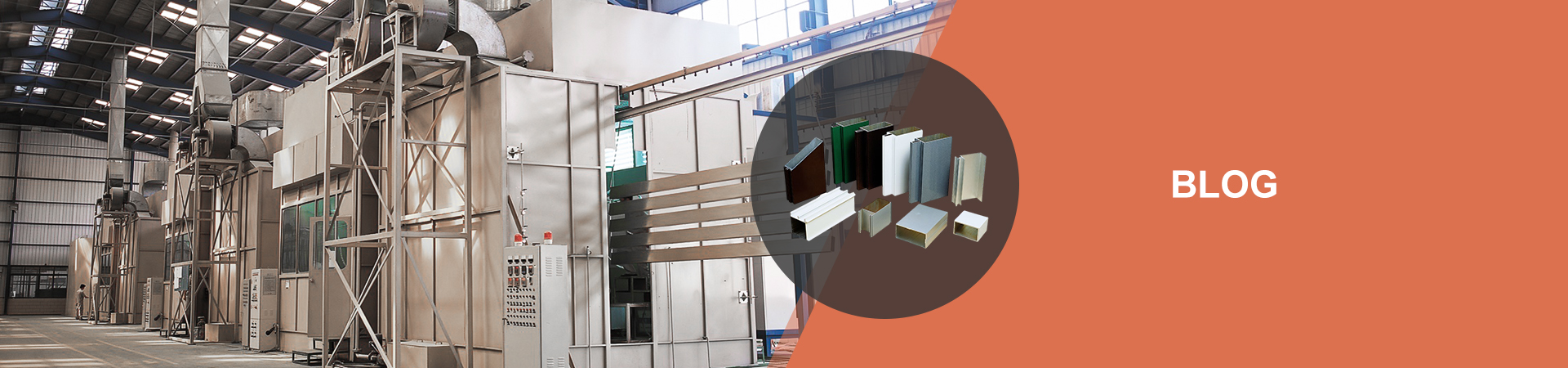
Aluminum profiles have emerged as a popular choice for wardrobe construction due to their durability, lightweight nature, and aesthetic appeal. However, maintaining quality control during the fabrication and assembly of these profiles is crucial to ensure the longevity and functionality of the wardrobe. This article explores various aspects of quality control in aluminum profile wardrobe construction to assist manufacturers, designers, and end-users in achieving the desired outcomes.
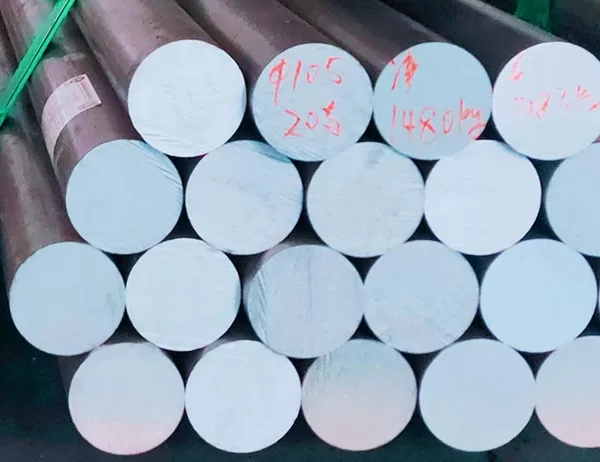
The selection of high-quality aluminum alloy is paramount. Aluminum grades such as 6061, 6063, or 6082 offer excellent strength-to-weight ratios and corrosion resistance. Visual inspection should be conducted to check for imperfections or surface defects that could compromise the profile’s integrity. Additionally, chemical composition analysis and tensile strength testing can validate the material’s compliance with specified standards.
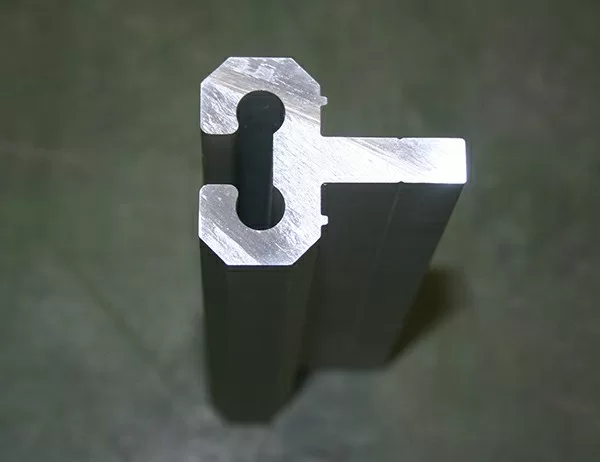
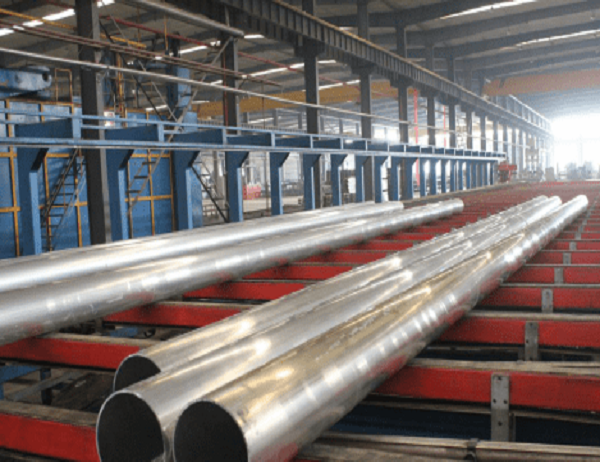
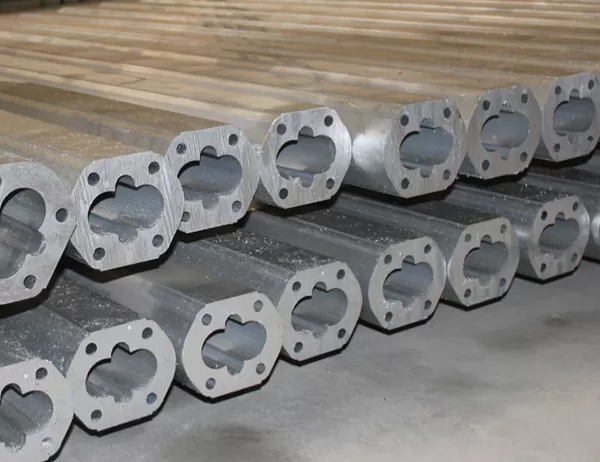
Precision extrusion is essential to achieve accurate dimensions and surface finish. Proper die design and extrusion parameters ensure uniformity and consistency in the extruded shapes. Post-extrusion processes, such as cutting and bending, should be carefully controlled to prevent profile distortion or structural weakness. Investment in automated cutting and bending equipment minimizes human error and enhances dimensional accuracy.
Surface treatment involves processes like anodizing, powder coating, or brushing to improve the profile’s aesthetics, corrosion resistance, and wearability. Adherence to specific process parameters, such as bath composition, voltage, and temperature, is critical to ensure consistent and durable surface finishes. Quality control includes visual inspection, adhesion testing, and salt spray tests to verify the surface treatment’s effectiveness.
Proper assembly and installation are vital for the wardrobe’s overall stability and performance. Connectors, brackets, and screws should be appropriately sized and installed according to the manufacturer’s specifications. Skilled craftsmen should assemble the profiles with precision and attention to detail. Additionally, clear assembly instructions and training for installers help minimize errors and ensure proper alignment and connection of the profiles.
Establishing a comprehensive quality control system is essential. This includes regular inspections throughout the fabrication and assembly process. Inspection points should be defined based on critical parameters, such as dimensional accuracy, surface finish, and assembly integrity. Detailed documentation of inspections and corrective actions taken should be maintained for traceability and future reference.
Ensuring quality control in aluminum profile wardrobe construction requires a multi-faceted approach encompassing material selection, profile fabrication, surface treatment, assembly, and ongoing monitoring. By implementing and adhering to strict quality control measures, manufacturers and designers can deliver wardrobes that meet the highest standards of durability, functionality, and aesthetic appeal, providing customers with lasting satisfaction and peace of mind.