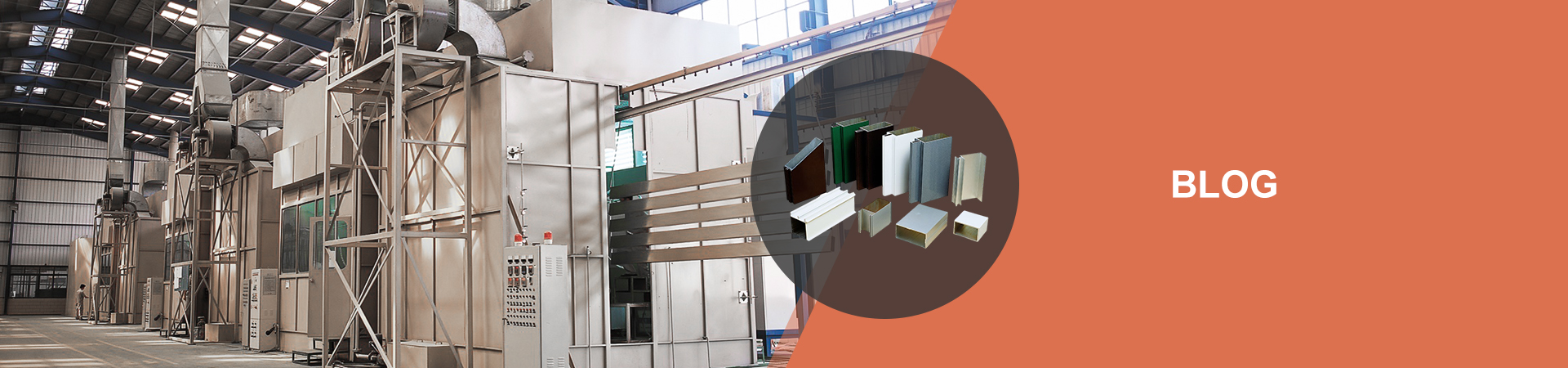
Aluminum profiles are widely used in various industrial applications due to their exceptional strength, durability, and versatility. Choosing the right aluminum profiles for your specific application is crucial to ensure optimal performance and longevity. Here are the essential features to consider when selecting high-quality industrial aluminum profiles:
The material composition of the aluminum profile directly influences its physical and mechanical properties. Look for profiles made from high-purity aluminum alloys, which offer superior strength, corrosion resistance, and weldability. Consider the specific requirements of your application and choose an alloy type that meets those demands.
Precise dimensional accuracy and tight tolerances are essential for ensuring proper fit and functionality in industrial applications. High-quality profiles should be manufactured to exacting standards and meet or exceed industry specifications. This ensures optimal performance and compatibility with other components.
The surface quality of the aluminum profile affects its appearance, durability, and resistance to wear and tear. Choose profiles with a smooth and consistent surface finish, free from defects such as scratches, dents, or burrs. Consider anodizing or powder coating the profile to enhance its corrosion resistance and aesthetic appeal.
Industrial aluminum profiles are subjected to rigorous demands in various applications. Look for profiles that exhibit high strength-to-weight ratios and can withstand significant loads, vibrations, and impact forces. Consider the mechanical properties of the aluminum alloy and the profile’s design to ensure it can handle the anticipated stresses.
Aluminum is inherently corrosion-resistant, but its performance in harsh environments depends on the alloy type and surface treatment. Choose profiles with added corrosion protection measures, such as anodizing or specialized coatings. These treatments enhance the profile’s durability and longevity, especially in applications where exposure to moisture, chemicals, or extreme temperatures is expected.
Welding and machining are commonly used techniques for fabricating aluminum profiles in industrial applications. Select profiles with good weldability and machinability for ease of assembly and customization. Consider the specific welding processes and machining requirements of your application to ensure compatible profiles.