Essential Guide to Extruded Aluminum Pipes: An Exhaustive Reference
The “Essential Guide to Extruded Aluminum Pipes” is a comprehensive resource that delves into the intricacies of extruded aluminum pipes, offering valuable insights for engineers, designers, and professionals in various industries. This guide provides a thorough understanding of the manufacturing process, performance characteristics, applications, and advantages of these versatile components.
Manufacturing Process
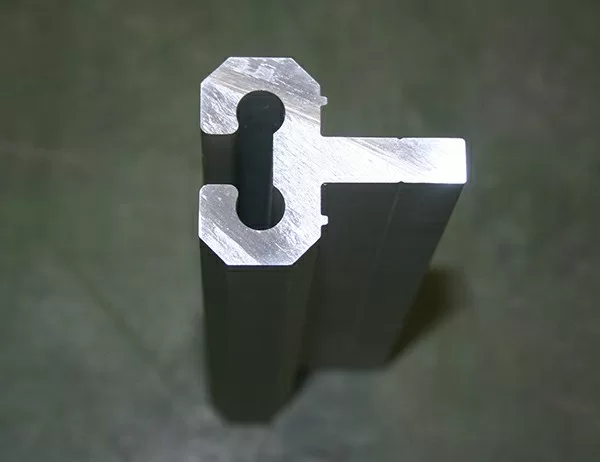
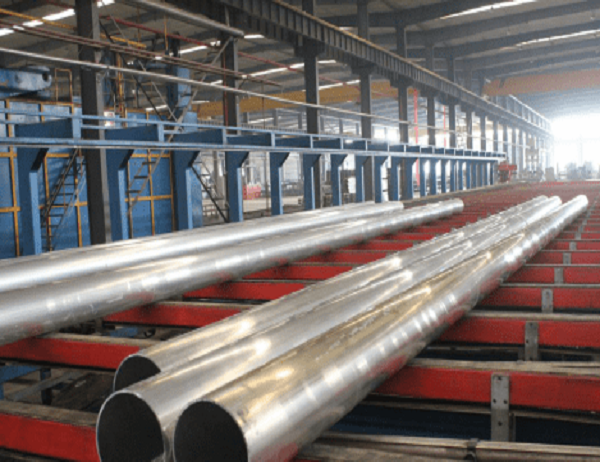
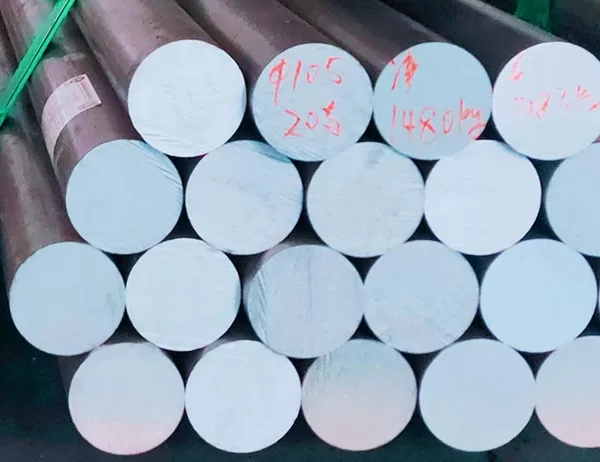
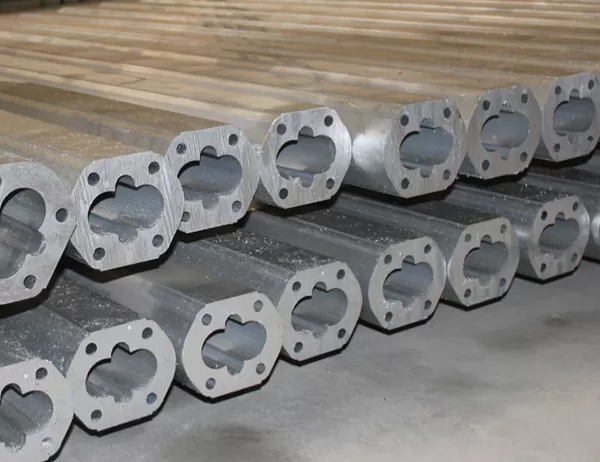
Extruded aluminum pipes are produced through a specialized manufacturing technique known as extrusion. In this process, molten aluminum is forced through a die with a specific shape, resulting in a continuous profile that forms the pipe. The extrusion process allows for precise control over the pipe’s dimensions, shape, and surface finish.
Mechanical Properties
Extruded aluminum pipes possess exceptional mechanical properties, making them suitable for demanding applications. They exhibit high tensile strength, yield strength, and modulus of elasticity. These properties ensure the pipes’ ability to withstand external forces, deformation, and bending without compromising structural integrity.
Corrosion Resistance
Aluminum’s inherent corrosion resistance is a key advantage of extruded aluminum pipes. The formation of a passive oxide layer on the aluminum surface protects the pipe from the corrosive effects of various chemicals, salts, and atmospheric conditions. This resistance to corrosion makes aluminum pipes suitable for use in marine, chemical processing, and food industry applications.
Thermal Conductivity
Extruded aluminum pipes exhibit excellent thermal conductivity, allowing for efficient heat transfer. This property is particularly beneficial in applications where heat dissipation or temperature control is crucial. Aluminum pipes are commonly used in HVAC systems, heat exchangers, and cooling components.
Applications
Extruded aluminum pipes find applications in a wide range of industries, including:
– Construction: Structural components, railings, piping systems
– Transportation: Automotive parts, aircraft components, marine structures
– Industrial: Pressure vessels, heat exchangers, chemical processing equipment
– Aerospace: Structural members, fluid lines, fuel tanks
Advantages of Extruded Aluminum Pipes
– Lightweight: Aluminum’s low density contributes to the pipes’ light weight, making them easy to handle and reducing transportation costs.
– Durability: Extruded aluminum pipes are highly durable and can withstand harsh operating conditions, including exposure to chemicals, temperature fluctuations, and mechanical stress.
– Aesthetics: Aluminum’s natural silver finish and ability to be anodized or painted provide a wide range of aesthetic options to complement any design.
– Recyclability: Aluminum is a highly recyclable material, making extruded aluminum pipes an environmentally friendly choice.