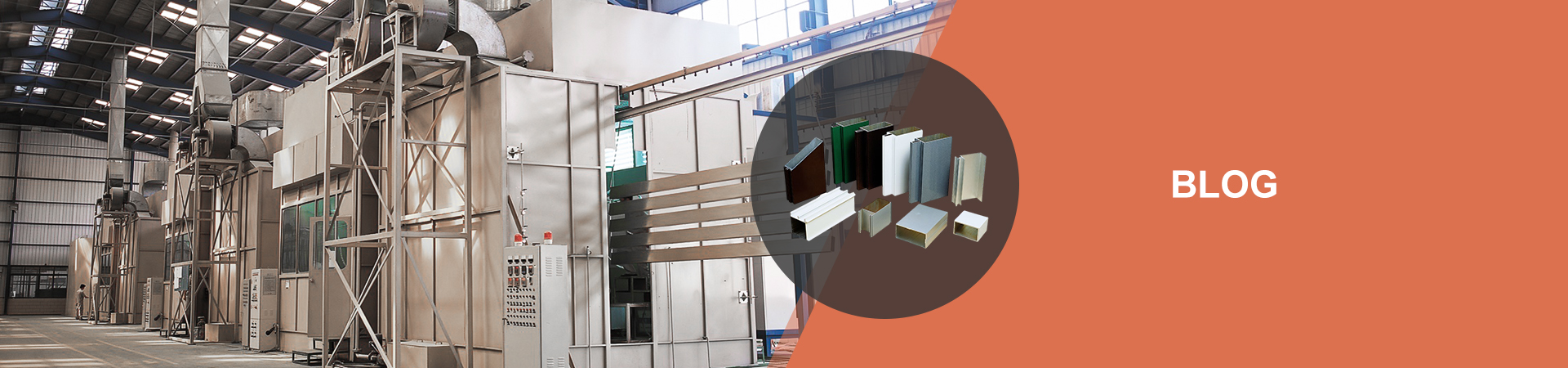
Extruded aluminium tubes are versatile and indispensable components in a wide range of industries, from construction and automotive to aerospace and consumer electronics. Their unique properties, such as strength, corrosion resistance, and recyclability, make them the preferred choice for diverse applications. This article delves into the world of extruded aluminium tubes, exploring their various shapes, sizes, and applications.
Extruded aluminium tubes come in a vast array of shapes to suit specific design requirements. The most common shapes include:
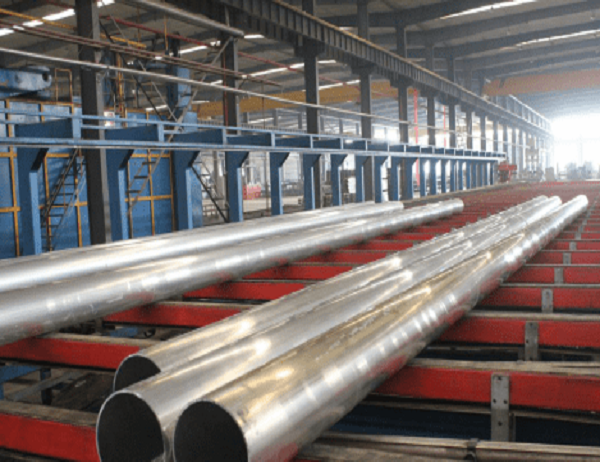
Round tubes are the most versatile shape, offering excellent structural strength and fluid flow characteristics. They are widely used in construction, plumbing, and automotive applications.
Square and rectangular tubes provide a sturdy and aesthetically pleasing option. They are popular in architectural applications, such as framing and window systems, as well as in furniture and equipment manufacturing.
Oval tubes combine the strength of round tubes with the aesthetic appeal of square or rectangular tubes. They are often used in handrails, sports equipment, and medical devices.
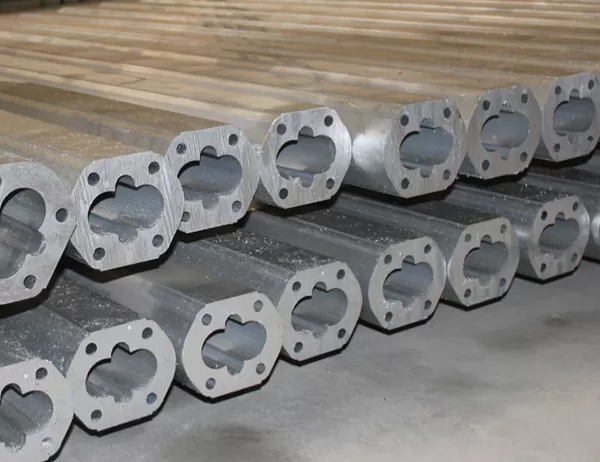
Hexagonal tubes offer increased rigidity and can withstand higher internal pressures. They are commonly employed in aerospace, automotive, and hydraulic systems.
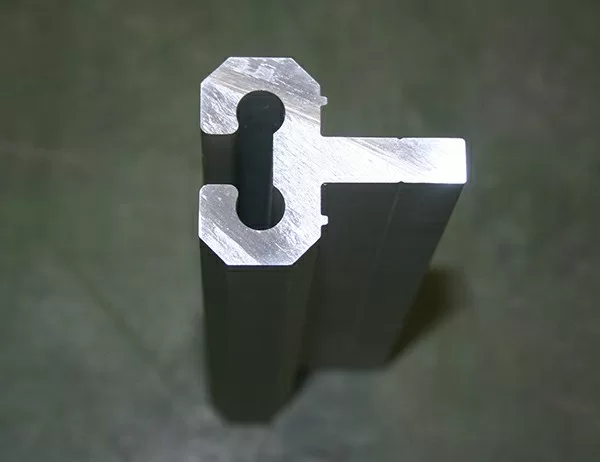
Advanced extrusion techniques allow for the production of tubes with intricate custom shapes. These shapes can meet specific design criteria for strength, weight, and aesthetics.
The size of extruded aluminium tubes encompasses a wide range, from miniature tubes to large-diameter tubes. The dimensions are typically expressed in terms of outer diameter (OD) and wall thickness (WT).
Miniature tubes have an OD of less than 10 mm and a WT of less than 1 mm. They are commonly used in electronics, medical devices, and precision instruments.
Small tubes typically have an OD ranging from 10 mm to 50 mm and a WT of 1 mm to 2 mm. They are suitable for applications in furniture, lighting, and automotive subsystems.
Medium tubes have an OD ranging from 50 mm to 150 mm and a WT of 2 mm to 3 mm. They are commonly used in construction, machinery, and transportation applications.
Large tubes have an OD of 150 mm or more and a WT of 3 mm or more. They are used in heavy-duty applications such as structural beams, bridges, and large-scale machinery.
Extruded aluminium tubes are employed in a vast spectrum of industries, including:
Aluminium tubes are used in structural framing, window and door systems, roofing, and cladding.
Aluminium tubes are used in chassis components, bumpers, and exhaust systems.
Aluminium tubes are used in aircraft frames, wings, and landing gear.
Aluminium tubes are used in laptop frames, smartphone cases, and audio equipment.
Aluminium tubes are used in surgical instruments, implants, and medical equipment.