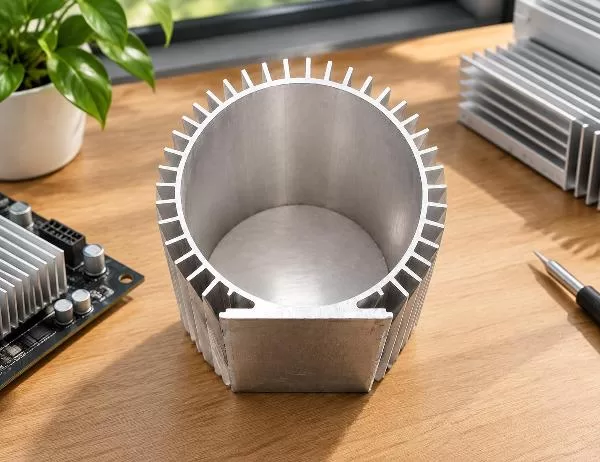
Aluminum tubes are highly versatile and serve a wide range of industries, including construction, manufacturing, and aerospace. With their exceptional strength, lightweight properties, and corrosion resistance, aluminum tubes offer numerous advantages for various applications. This article explores the diverse types of aluminum tubes available from suppliers, providing insights into their unique characteristics and potential uses.
Seamless Aluminum Tubes
Seamless aluminum tubes are produced by extruding a solid aluminum billet through a die, resulting in a tube with no seams or welds. This process ensures exceptional structural integrity and resistance to bursting, making them suitable for high-pressure applications. Seamless aluminum tubes are widely used in hydraulic and pneumatic systems, pipe and tube fabrication, and aerospace components.
Welded Aluminum Tubes
Welded aluminum tubes are manufactured by joining two or more aluminum sheets or strips together using welding techniques. The result is a tube with a longitudinal seam, providing a balance between strength and affordability. Welded aluminum tubes are extensively utilized in construction, automotive, and consumer goods, where cost-effectiveness and moderate strength requirements are paramount.
Drawn Aluminum Tubes
Drawn aluminum tubes undergo a process of cold working, where a hollow aluminum tube is drawn through a series of dies, reducing its diameter and increasing its wall thickness. This process enhances the tube’s surface finish, strength, and dimensional accuracy. Drawn aluminum tubes are ideal for applications requiring precise tolerances, such as in precision engineering, instrument manufacturing, and medical devices.
Round Aluminum Tubes
Round aluminum tubes are the most common type, offering versatility and wide-ranging applications. Their circular cross-section provides uniform strength distribution, resistance to deflection, and ease of bending and manipulating. Round aluminum tubes are prevalent in structural frameworks, piping systems, furniture, and consumer products.
Square and Rectangular Aluminum Tubes
Square and rectangular aluminum tubes feature a non-circular cross-section, providing increased stiffness and rigidity in specific directions. These tubes are often used in structural applications, where their angular shape offers advantages in terms of load-bearing capacity and space optimization. Square and rectangular aluminum tubes are commonly found in frameworks, trusses, and architectural elements.
Oval Aluminum Tubes
Oval aluminum tubes combine the benefits of both round and rectangular tubes. They provide a balance of strength and stiffness, with their oval shape enhancing aerodynamics and reducing vibration. Oval aluminum tubes are employed in applications such as aircraft frames, race car chassis, and elliptical exercise equipment.
Specialized Aluminum Tubes
In addition to the standard types of aluminum tubes, suppliers also offer specialized options tailored to specific industry requirements. These tubes include:
– Anodized Aluminum Tubes: Anodization creates a protective oxide layer on the tube’s surface, improving corrosion resistance, wear resistance, and aesthetic appeal.
– Hardened Aluminum Tubes: Through age hardening or precipitation hardening, tubes can achieve enhanced strength and hardness, making them suitable for structural or load-bearing applications.
– Thin-Walled Aluminum Tubes: These tubes have a reduced wall thickness while maintaining their strength-to-weight ratio, making them ideal for lightweight applications and where space is constrained.
Conclusion
The wide range of aluminum tubes available from suppliers caters to diverse industry needs, offering a balance of strength, lightweight properties, corrosion resistance, and cost-effectiveness. Understanding the distinct characteristics of each type of aluminum tube empowers designers and engineers to select the optimal solution for their specific applications. By leveraging the expertise of suppliers, customers can access customized aluminum tubes tailored to their requirements, ensuring cost-effective, efficient, and reliable performance.