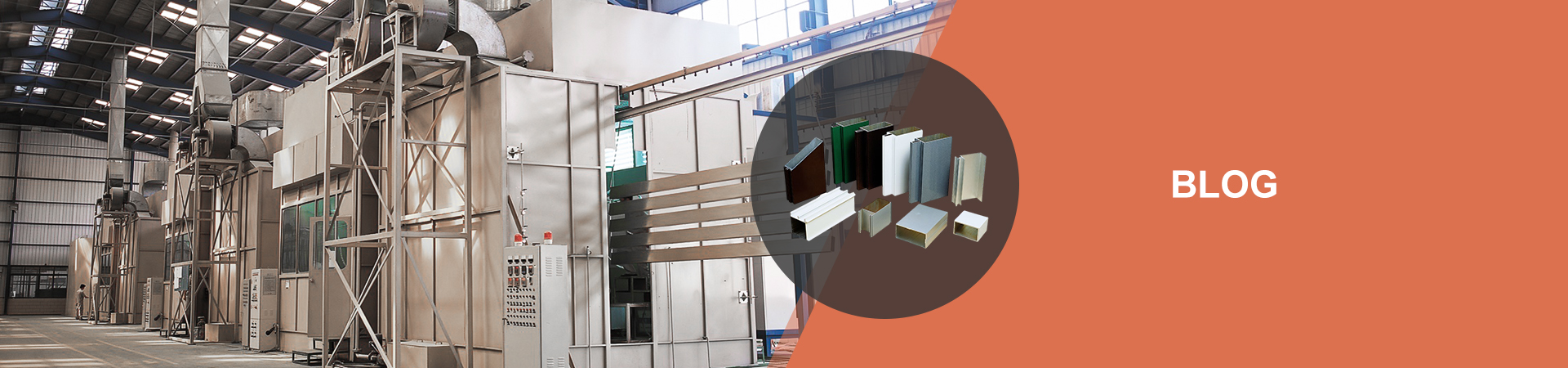
In the realm of renewable energy, aluminum solar panel frames stand as critical components, providing structural support and ensuring optimal performance. To enhance their durability and efficiency, manufacturers employ a diverse array of coatings that transform these frames into veritable powerhouses.
Powder Coating: A Durable Shield
Powder coating involves electrostatically applying a layer of finely ground pigment to the frame surface. This technique creates a tough and durable barrier that shields against corrosion, abrasion, and fading. Powder coatings come in a wide range of colors and textures, allowing for customization and aesthetic appeal.
Anodizing: Enhancing Corrosion Resistance
Anodizing is an electrochemical process that transforms the frame’s surface into a protective oxide layer. This layer greatly improves corrosion resistance, making the frames impervious to harsh weather conditions and chemical agents. Anodized frames also exhibit enhanced UV resistance, preserving their appearance over extended periods.
Galvanizing: Protection against Rust
Galvanizing involves dipping the frame into a molten zinc bath. The resulting zinc layer creates a sacrificial coating that prevents rust formation. Galvanized frames are particularly well-suited for coastal areas and other environments with high humidity or salt exposure.
Fluoropolymer Coating: Ultimate Protection
Fluoropolymer coatings, such as Kynar 500 and Hylar 5000, offer exceptional resistance to weathering, corrosion, and chemicals. These coatings are non-stick and self-cleaning, making them ideal for environments with high levels of dust, dirt, and pollution. Their durable finish also ensures long-term color retention.
Conclusion
Understanding the different types of coatings used on aluminum solar panel frames empowers installers and homeowners alike in making informed choices for their renewable energy investments. By choosing the right coating, professionals can optimize performance, extend longevity, and enhance the aesthetics of these critical components, ensuring that solar panels continue to harness the sun’s energy efficiently and reliably for years to come.