In the realm of thermal engineering, the pursuit of materials with exceptional thermal conductivity occupies a central stage. Among them, extruded aluminium tubes stand apart as a promising contender, unlocking the potential for transformative applications. This article delves into the intricate world of thermal conductivity in these tubes, shedding light on the factors that govern their performance and revealing the extraordinary avenues they open up for innovation.
Thermal conductivity, a measure of a material’s ability to transfer heat, plays a pivotal role in a wide array of applications, from efficient heat dissipation in electronic devices to the design of energy-saving insulation systems. Aluminium, with its inherent lightweight and high strength-to-weight ratio, emerges as an alluring choice for various industrial sectors. However, its relatively modest thermal conductivity poses a challenge for certain applications that demand exceptional heat transfer capabilities.
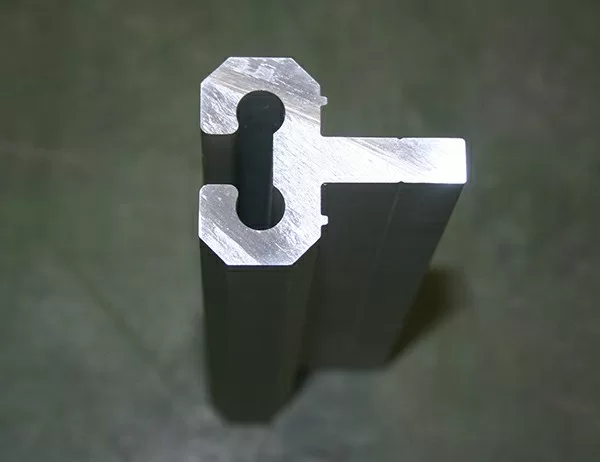
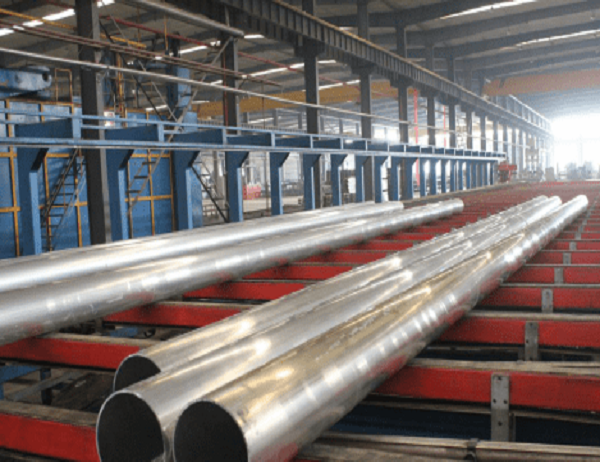
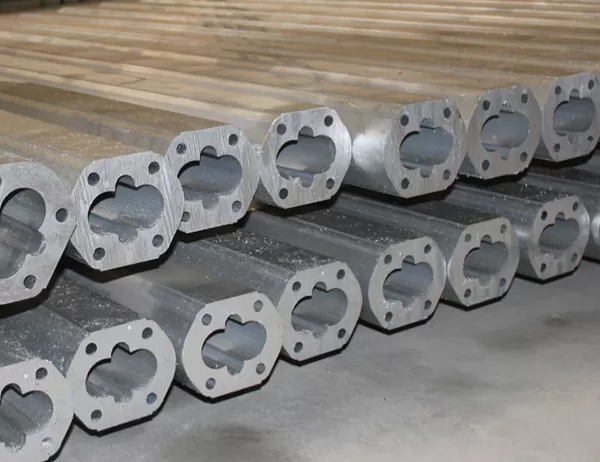
Extrusion, a manufacturing process that forces heated aluminium through a shaped die, offers a unique opportunity to tailor the thermal properties of aluminium tubes. By manipulating the extrusion parameters, such as temperature, pressure, and die geometry, engineers can induce microstructural changes that significantly enhance thermal conductivity. This phenomenon, known as texture modification, aligns the aluminium grains in a preferred direction, creating a preferential pathway for heat flow.
The benefits of enhanced thermal conductivity in extruded aluminium tubes are manifold. In heat exchangers, the increased heat transfer rate facilitates more efficient cooling or heating, resulting in reduced energy consumption and improved system performance. In electronics, extruded aluminium tubes with superior thermal conductivity serve as effective heat sinks, dissipating heat from critical components and ensuring optimal device operation. Moreover, the ability to tailor thermal conductivity opens up opportunities for weight reduction and space optimization, especially in applications where efficient heat transfer is paramount.
The exploration of thermal conductivity in extruded aluminium tubes is an ongoing endeavor, with researchers continuously pushing the boundaries of material performance. Advancements in extrusion technology, coupled with computational modeling and novel material compositions, hold immense promise for unlocking even higher levels of thermal conductivity. As we continue to unravel the intricacies of these remarkable materials, we move closer to unlocking their full potential in a myriad of groundbreaking applications that will shape the future of thermal engineering.