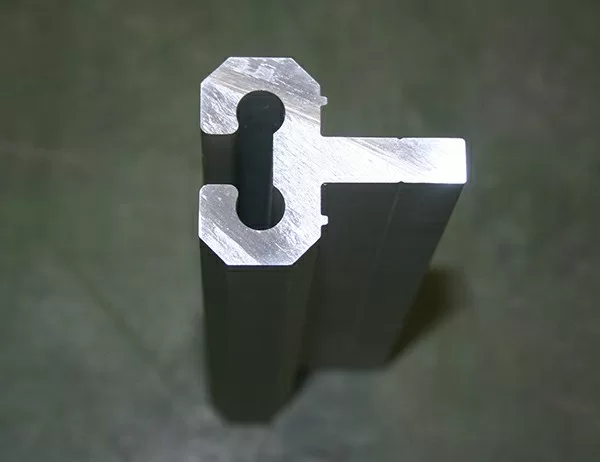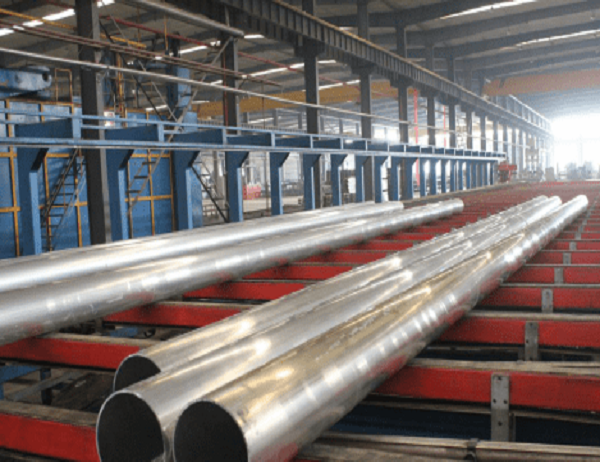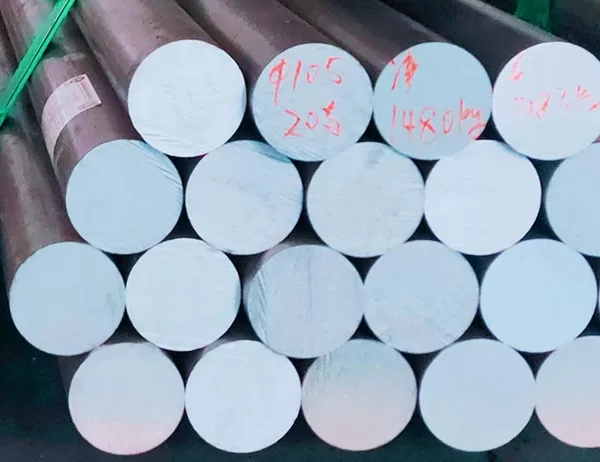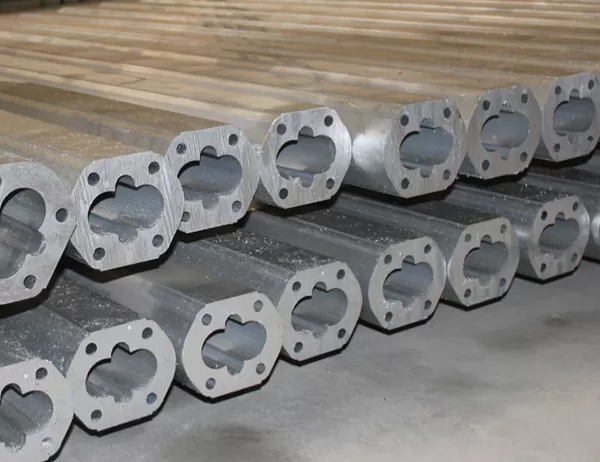
In the realm of tubular materials, extruded aluminum and steel tubes stand as formidable contenders, each boasting unique attributes that cater to specific engineering demands. Embark on a comparative analysis to discern the strengths, weaknesses, and optimal applications of these engineering stalwarts.
Strength and Durability
Steel tubes reign supreme in terms of strength and durability. Their higher carbon content and molecular structure lend them exceptional rigidity and resistance to deformation. However, aluminum tubes exhibit a higher strength-to-weight ratio, making them ideal for lightweight applications where structural integrity is paramount.
Corrosion Resistance
Aluminum’s naturally formed oxide layer renders it highly resistant to corrosion, making it a prime choice for marine and outdoor environments. Steel tubes, on the other hand, require protective coatings or galvanization to prevent rusting. This corrosion susceptibility limits their suitability for applications exposed to harsh elements.
Thermal Properties
Aluminum possesses excellent thermal conductivity, making it a superior choice for heat transfer applications. Steel tubes, conversely, have lower thermal conductivity, rendering them less effective for heat dissipation or absorption.
Weight and Cost
Aluminum tubes are significantly lighter than steel tubes, a factor crucial in applications where weight reduction is essential. This weight advantage often translates into lower transportation costs and improved fuel efficiency. Steel tubes, on the other hand, are more economical, making them a viable option for budget-conscious projects.
Applications
Extruded aluminum tubes find widespread use in aerospace, transportation, medical, and consumer products. Their lightweight, corrosion resistance, and thermal properties make them particularly suitable for aircraft frames, automotive components, heat exchangers, and electronic enclosures.
Steel tubes dominate applications requiring high structural strength and durability. They are found in construction, shipbuilding, machinery, and storage systems. Their strength and reliability make them particularly appropriate for load-bearing structures and heavy-duty equipment.
Conclusion
The choice between extruded aluminum tubes and steel tubes hinges on the specific requirements of the application. Aluminum tubes excel in weight-sensitive, corrosion-resistant, and heat-transfer applications. Steel tubes reign supreme in situations demanding high strength, rigidity, and cost-effectiveness. A thorough understanding of their comparative strengths and weaknesses empowers engineers to make informed decisions that optimize performance and value.