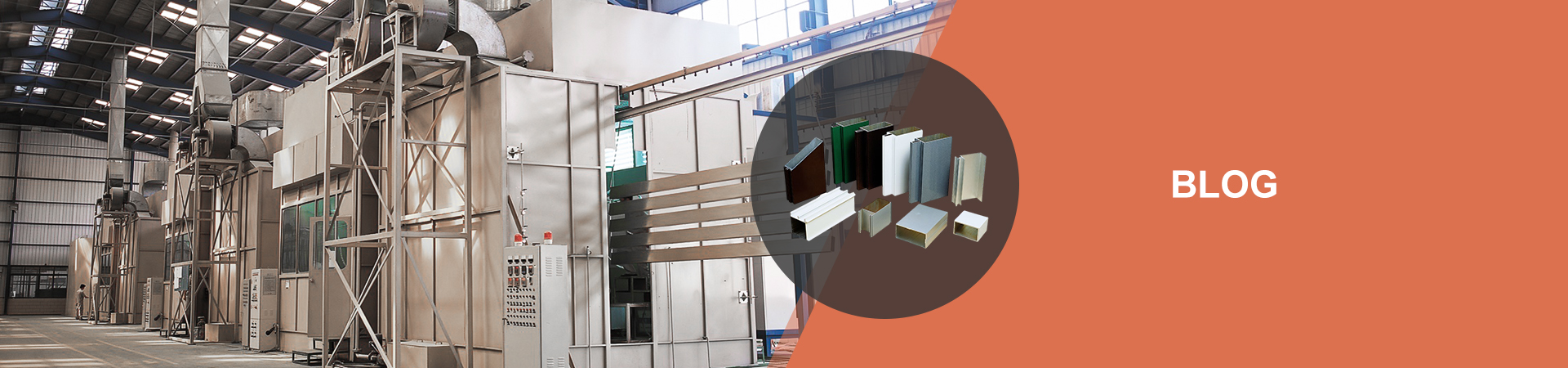
Solar aluminum profiles are a crucial component of solar photovoltaic (PV) systems, providing structural support and enabling efficient energy generation. As the solar industry continues to advance, there is a growing need for innovative aluminum profile solutions that can meet the evolving demands of PV technology. This article explores the latest advancements and future innovations in solar aluminum profiles, examining their potential to enhance the performance, durability, and aesthetics of solar systems.
Enhanced Durability and Corrosion Resistance
Solar aluminum profiles are exposed to harsh outdoor conditions, including extreme temperatures, moisture, and UV radiation. Traditional aluminum alloys may be susceptible to corrosion and degradation over time, reducing the lifespan of solar panels. Future innovations will focus on developing new alloys and surface treatments that enhance the durability and corrosion resistance of solar aluminum profiles. High-strength aluminum alloys, such as 6000 series and 7000 series, offer superior resistance to mechanical stress and deformation. Anodization and powder coating techniques can create protective layers that shield the aluminum from corrosion and UV damage.
Increased Strength-to-Weight Ratio
Solar aluminum profiles play a significant role in supporting the weight of solar panels. Excessive weight can add to the structural load of buildings and increase installation costs. Future innovations will concentrate on optimizing the strength-to-weight ratio of solar aluminum profiles. This can be achieved through advanced extrusion techniques, such as variable wall thickness extrusion, which allows for thicker sections in critical areas while reducing weight in non-critical areas. By reducing the overall weight of solar panels, these innovations will contribute to reduced structural requirements and cost savings.
Improved Thermal Management
Solar aluminum profiles act as thermal bridges between solar panels and their mounting surface. Excessive heat buildup can reduce the efficiency of PV cells and shorten the lifespan of solar systems. Future innovations will focus on developing solar aluminum profiles with enhanced thermal management capabilities. This can be achieved through the integration of heat-dissipating materials, such as phase change materials (PCMs) or heat sinks. By optimizing thermal management, these innovations will improve the performance and longevity of solar systems, particularly in high-temperature environments.
Aesthetically Pleasing Designs
Solar aluminum profiles can significantly impact the aesthetics of solar installations. Traditional aluminum profiles may have a utilitarian appearance that can detract from the architectural beauty of buildings. Future innovations will explore new design concepts and surface treatments to create solar aluminum profiles that are both functional and visually appealing. This includes profiles with unique shapes, textures, and colors that complement various building styles and architectural designs. By enhancing the aesthetics of solar systems, these innovations will increase their acceptance in both residential and commercial applications.
Sustainable and Environmentally Friendly
Sustainability is a growing concern in the solar industry. Future innovations in solar aluminum profiles will emphasize the use of eco-friendly materials and manufacturing processes. This includes the development of profiles made from recycled aluminum, which reduces environmental impact and promotes sustainability. Additionally, advancements in surface treatments and coatings will focus on reducing hazardous waste and promoting the use of non-toxic materials. By adopting sustainable practices, solar aluminum profile manufacturers can contribute to the environmental responsibility of the solar industry.
Future innovations in solar aluminum profiles hold immense potential to revolutionize the performance, durability, and aesthetics of solar photovoltaic systems. Enhanced durability, increased strength-to-weight ratio, improved thermal management, aesthetically pleasing designs, and a focus on sustainability will drive the development of next-generation solar aluminum profiles. These advancements will contribute to the growth of the solar industry, enabling more efficient, cost-effective, and environmentally friendly solar energy solutions. As research and development continue, we can expect even more groundbreaking innovations in solar aluminum profiles, further shaping the future of sustainable energy generation.