Introduction
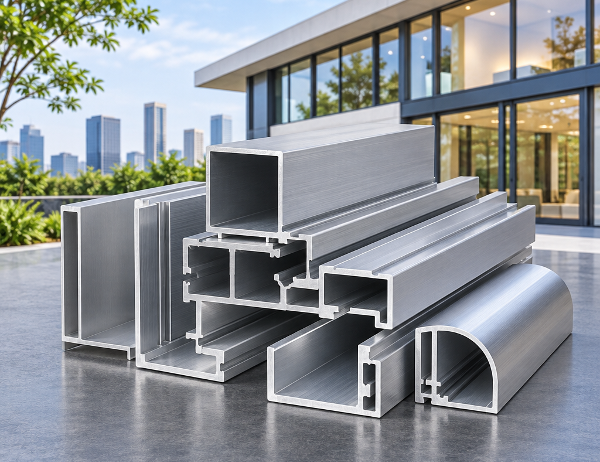
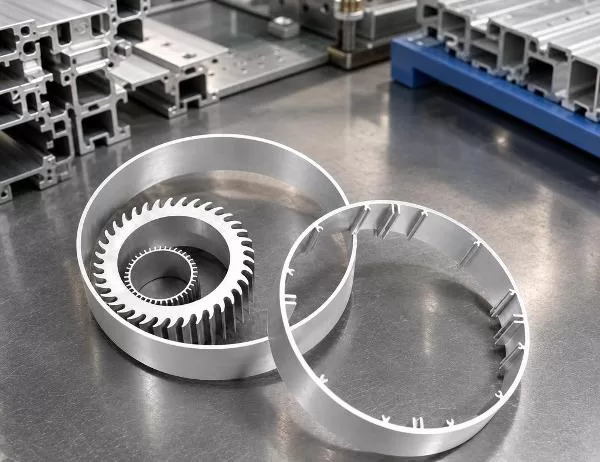
In the realm of advanced materials, extruded aluminum tubes stand as a beacon of innovation, shaping the future of countless industries. With their exceptional strength, corrosion resistance, and versatile applications, these remarkable tubes are poised to revolutionize various sectors, from aerospace to automotive.
1. Nanotechnology Advancements
Future trends in extruded aluminum tube technology will be heavily influenced by the advancements in nanotechnology. Nanoparticles, with their unique properties, offer the potential for enhancing the tube’s strength, durability, and thermal conductivity. By incorporating nanoparticles into the aluminum matrix, manufacturers can create tubes that are lighter, stronger, and more resistant to wear and corrosion.
2. Enhanced Joining Techniques
The development of novel joining techniques is another key area of innovation. Traditional methods of welding and soldering can introduce imperfections or weaknesses into the tube structure. Advanced ultrasonic welding and laser welding techniques offer precise, non-destructive methods of joining tubes, ensuring structural integrity and optimal performance.
3. Sustainable Manufacturing
Sustainability will remain a driving force in the future of extruded aluminum tube production. Manufacturers are exploring eco-friendly techniques such as cold extrusion, which reduces energy consumption and minimizes waste. Additionally, the use of recycled aluminum is gaining traction, contributing to the circular economy and reducing the environmental impact of tube production.
4. Multi-Functional Integration
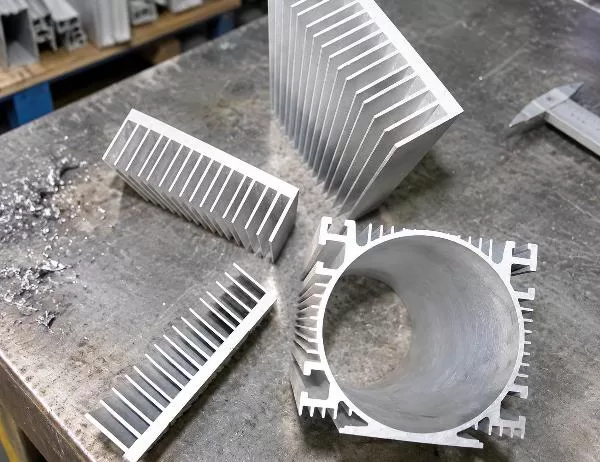
Extruded aluminum tubes are evolving into multi-functional components, incorporating additional features such as electrical conductivity, heat transfer capabilities, or optical properties. By integrating these functions into the tube structure, manufacturers can reduce the number of components in an assembly, simplify production processes, and improve overall system performance.
5. Smart and Connected Tubes
The advent of sensors and IoT (Internet of Things) technology is transforming extruded aluminum tubes into intelligent devices. By incorporating sensors into the tube structure, manufacturers can enable real-time monitoring of temperature, pressure, or flow rate. This data can be transmitted wirelessly, allowing for remote monitoring and predictive maintenance, enhancing safety and optimizing performance.
Conclusion
The future of extruded aluminum tube technology holds immense promise for a wide range of industries. From the incorporation of nanotechnology to the development of smart and connected tubes, these advancements will push the boundaries of what is possible and unlock new opportunities for innovation and efficiency. As we continue to explore the potential of these remarkable tubes, we can anticipate transformative breakthroughs that will shape the technological landscape for generations to come.