How Aluminum Cabinet Profiles Support Customization in Design
In recent years, aluminum cabinet profiles have emerged as a revolutionary material for creating customized and functional cabinetry. Their versatility, durability, and aesthetic appeal make them an ideal choice for both residential and commercial applications. This article explores the various aspects of how aluminum cabinet profiles empower designers to create unique and tailored cabinetry solutions.
Features and Benefits of Aluminum Cabinet Profiles
Aluminum cabinet profiles offer a range of features that contribute to their suitability for customization. Their lightweight and durable nature, coupled with their corrosion resistance, makes them ideal for various environments and applications. Additionally, their sleek, modern appearance enhances the aesthetics of any space.
Shaping and Forming
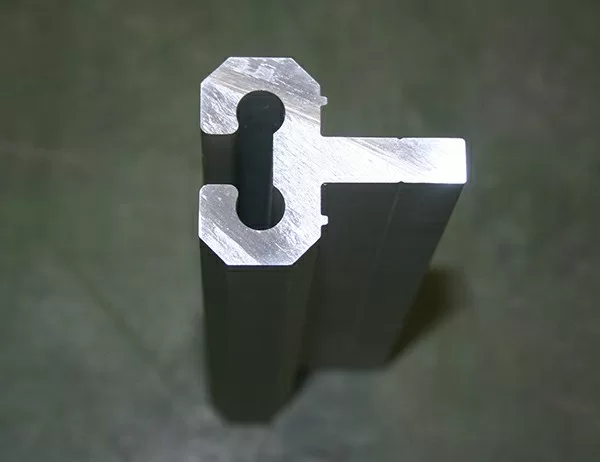
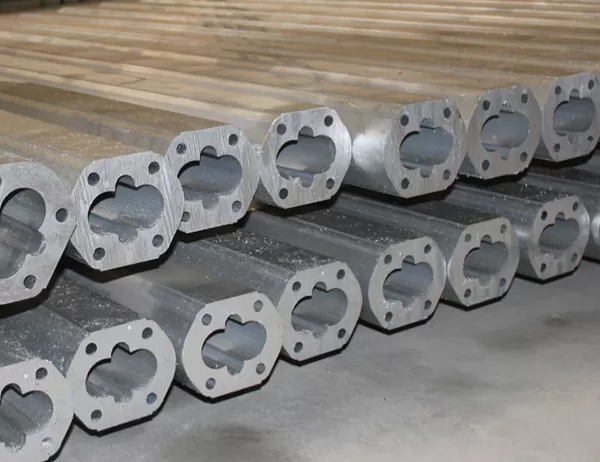
Aluminum profiles can be easily shaped and formed to create different shapes and designs. Designers can utilize bending, cutting, and welding techniques to create custom profiles that fit seamlessly into specific spaces. This flexibility allows for the creation of unique cabinet configurations, curved sections, and intricate details.
Surface Finishes
Aluminum cabinet profiles can be anodized or powder-coated to achieve a wide range of surface finishes. Anodizing creates a protective oxide layer that enhances durability and resistance to wear and tear. Powder coating offers a vast array of colors and textures, enabling designers to match any desired aesthetic or create bold accents.
Integration of Accessories
Aluminum profiles provide a versatile platform for integrating various accessories. Hinges, drawer slides, and shelves can be seamlessly incorporated into the profiles, ensuring smooth operation and efficient storage solutions. The ability to customize the spacing and positioning of these accessories allows for tailored storage configurations.
Ergonomic Design
Customizable cabinet profiles can be designed for optimal ergonomics. By adjusting the height, depth, and layout of cabinets, designers can create comfortable and user-friendly workspaces. This is particularly important in commercial and industrial applications, where efficiency and functionality are paramount.
Cost-Effectiveness
Aluminum cabinet profiles offer a cost-effective solution for custom cabinetry. Their lightweight and durable nature reduces material waste and transportation costs. Additionally, the ability to mass-produce profiles ensures competitive pricing. This makes them an accessible option for both small-scale and large-scale projects.
Environmental Sustainability
Aluminum is a highly recyclable material, making it an environmentally sustainable choice. Custom cabinet profiles can be reclaimed and reprocessed into new products, reducing waste and preserving natural resources. This eco-friendly aspect aligns with the growing demand for sustainable design practices.
Conclusion
Aluminum cabinet profiles have revolutionized the world of cabinetry design by providing designers with unmatched customization capabilities. Their versatility, durability, and aesthetic appeal make them an ideal material for creating unique and functional solutions. From shaping and forming to surface finishes and accessory integration, aluminum profiles empower designers to transform their visions into reality, while adhering to ergonomic, cost-effective, and sustainable design principles.