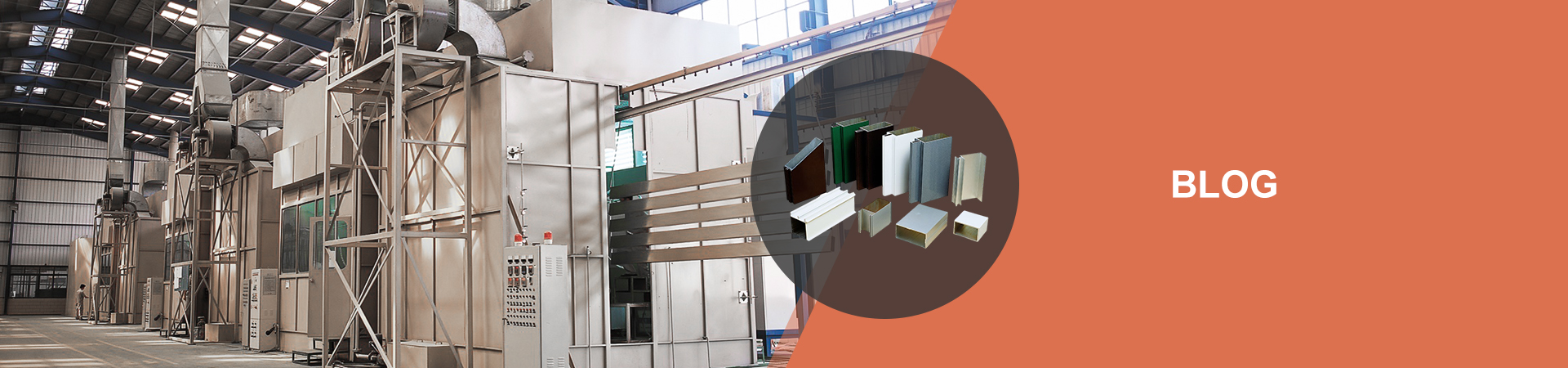
Aluminium extrusion is a highly complex process that requires precise control over several variables to achieve high-quality results. Aluminium extrusion suppliers implement stringent quality control measures to ensure that their products meet the exacting specifications of their customers. This article explores the various aspects of quality control employed by aluminium extrusion suppliers to deliver consistent and reliable products.
Raw Material Inspection
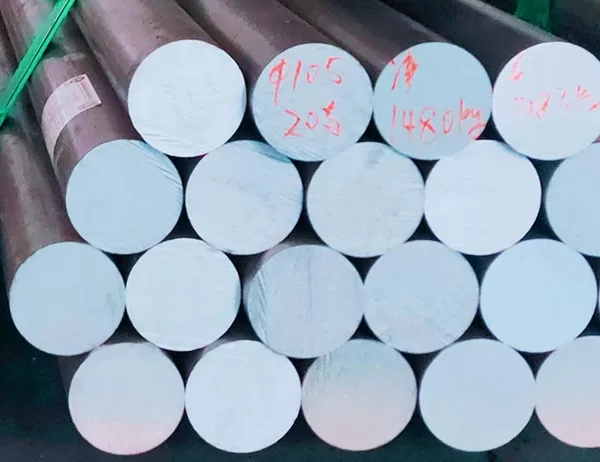
The quality of the aluminium ingots used in extrusion has a direct impact on the final product. Suppliers meticulously inspect raw materials to verify their chemical composition, grain structure, and surface quality. Non-conforming ingots are rejected to prevent defects from propagating through the extrusion process.
Process Control
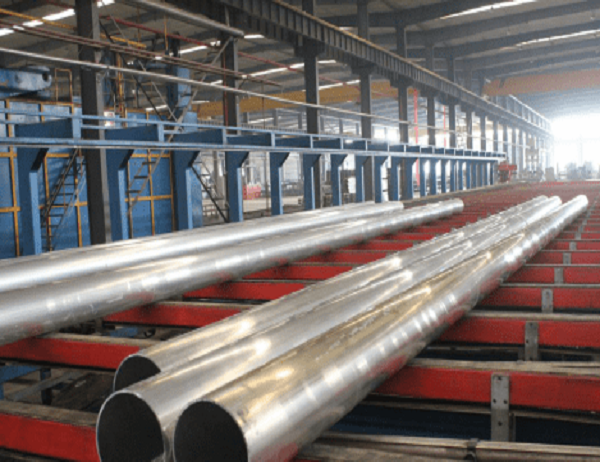
The extrusion process itself involves several critical steps, each with its own quality control parameters. Extrusion plants utilize automated control systems to monitor and adjust process parameters in real-time. These include temperature, pressure, speed, and cooling rates. Deviations from optimal settings are detected and corrected immediately to maintain product consistency.
Die Maintenance
The extrusion die is the heart of the extrusion process. Suppliers ensure that dies are properly designed, manufactured, and maintained to minimize defects. Regular inspections and cleaning remove any burrs, scratches, or imperfections that could compromise the quality of the extruded profiles.
Post-Extrusion Treatments
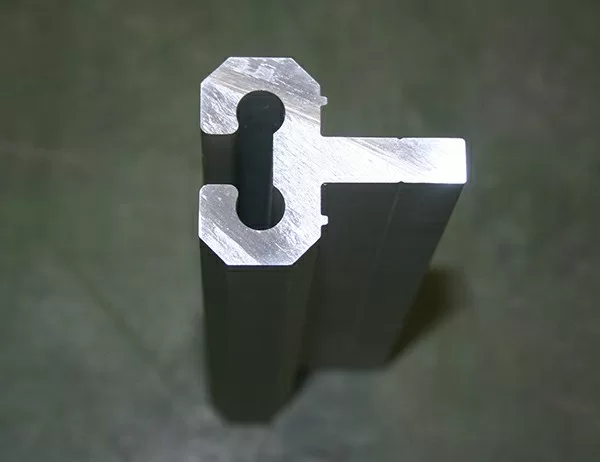
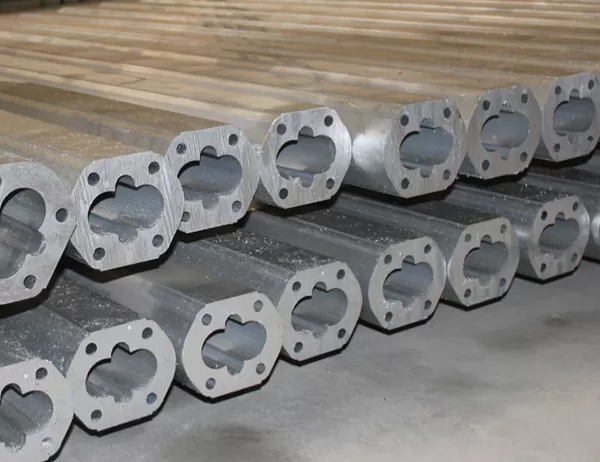
After extrusion, profiles undergo various post-extrusion treatments to enhance their properties and aesthetics. These include straightening, annealing, aging, and surface finishing. Suppliers strictly control these processes to ensure that profiles meet dimensional tolerances, have the desired mechanical properties, and are free from surface defects.
Testing and Inspection
Rigorous testing and inspection procedures are employed to verify the quality of extruded profiles. Tensile strength, yield strength, elongation, and hardness are among the mechanical properties tested. Surface quality is inspected for scratches, dents, or other imperfections. Non-destructive testing techniques such as ultrasonic and eddy current testing are used to detect internal flaws.
Traceability
Aluminium extrusion suppliers maintain comprehensive traceability systems that link each extruded profile to its raw material source and processing history. This enables them to identify and address any quality issues promptly and effectively. It also provides customers with confidence in the provenance and quality of their products.
Continuous Improvement
Suppliers are committed to continuous improvement in their quality control processes. They invest in research and development, adopt new technologies, and train their employees to enhance their capabilities. By embracing a culture of continuous improvement, suppliers ensure that they consistently deliver products that meet or exceed customer expectations.
Conclusion
Quality control is paramount for aluminium extrusion suppliers to maintain the reputation of their products and ensure customer satisfaction. Through rigorous inspections, process control, die maintenance, post-extrusion treatments, testing, and traceability, suppliers provide assurance that their extruded aluminium profiles meet the highest standards of quality. This ensures that aluminium extrusion remains a reliable and versatile material for a wide range of applications.