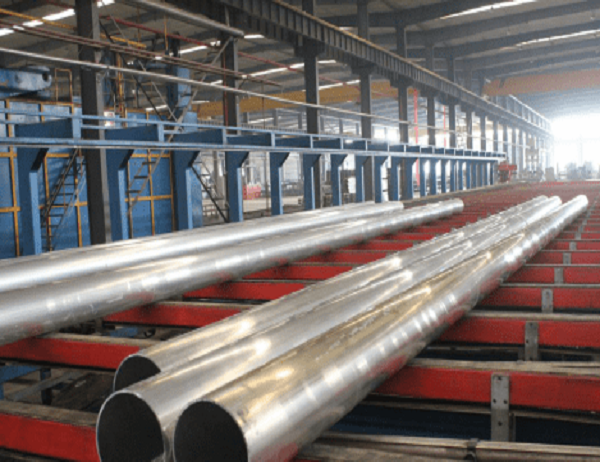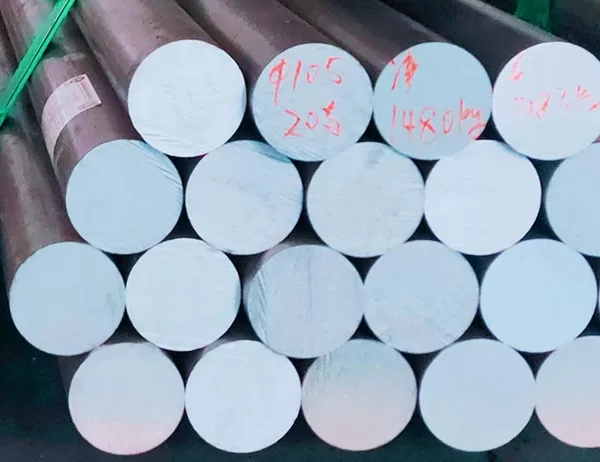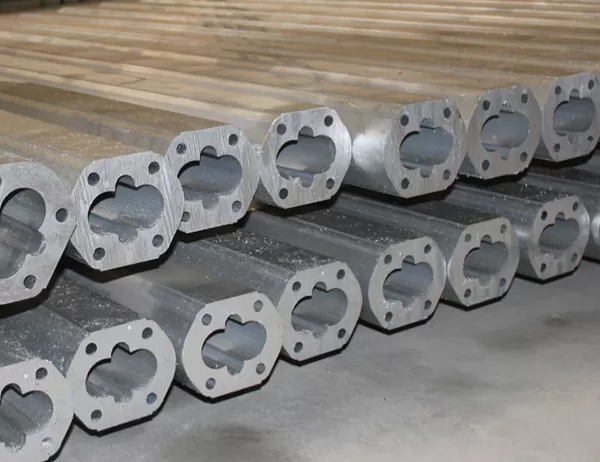
Aluminum alloy pipes are widely used in various industrial and commercial applications due to their exceptional properties. They offer a unique combination of strength, lightness, corrosion resistance, and durability, making them a preferred choice over other materials. This article delves into a comprehensive comparison of aluminum alloy pipes against other commonly used materials to highlight their advantages and help readers make informed decisions for their specific applications.
Aluminum alloys are renowned for their high strength-to-weight ratio. They are lightweight yet exhibit remarkable strength and durability. Aluminum alloy pipes can withstand significant pressure and loads without compromising their structural integrity. In comparison to steel pipes, aluminum alloy pipes offer similar strength at a fraction of the weight, making them ideal for weight-sensitive applications. They are also highly resistant to wear and tear, ensuring long-lasting performance even in demanding environments.
Aluminum alloy pipes possess exceptional corrosion resistance, particularly in marine and coastal environments. Aluminum forms a protective oxide layer on its surface that effectively prevents further oxidation and corrosion. Unlike steel pipes, which are prone to rusting, aluminum alloy pipes maintain their integrity and appearance over extended periods of time. This inherent corrosion resistance eliminates the need for additional protective coatings or treatments, reducing maintenance costs and extending the lifespan of the pipes.
Aluminum alloys are known for their low density, making them significantly lighter than steel and other metals. Aluminum alloy pipes are ideal for applications where weight is a critical factor, such as transportation, aerospace, and construction. Their reduced weight enables easier handling, transportation, and installation, resulting in reduced labor and material costs.
Aluminum alloys have excellent thermal conductivity, which is superior to that of steel and other common materials. This property makes aluminum alloy pipes highly efficient in heat transfer applications, such as heat exchangers, radiators, and condensers. The enhanced thermal conductivity enables efficient cooling and heating, optimizing performance and reducing energy consumption.
Aluminum alloy pipes demonstrate exceptional formability and weldability. They can be easily bent, shaped, and welded without compromising their strength or integrity. This versatility allows for complex fabrication and customization, meeting the specific requirements of various applications. In contrast, steel pipes may require specialized equipment and techniques for bending and welding, limiting their design possibilities and increasing fabrication costs.
While aluminum alloy pipes may have a slightly higher initial cost compared to steel pipes, their long-term cost-effectiveness is undeniable. Aluminum alloy pipes offer superior corrosion resistance, reducing maintenance and replacement expenses over time. Their lighter weight also contributes to lower transportation and installation costs. Additionally, aluminum alloy pipes have a high scrap value, providing further cost savings at the end of their service life.
Aluminum alloy pipes offer a compelling combination of strength, lightness, corrosion resistance, and durability, making them a superior choice for a wide range of industrial and commercial applications. Compared to other materials, aluminum alloy pipes excel in weight-sensitive applications, corrosive environments, and heat transfer systems. Their formability and weldability enable intricate designs and efficient fabrication. While their initial cost may be higher, their long-term cost-effectiveness and exceptional performance justify the investment. By understanding the advantages of aluminum alloy pipes, readers can make informed decisions for their specific projects and reap the benefits of this versatile and durable material.