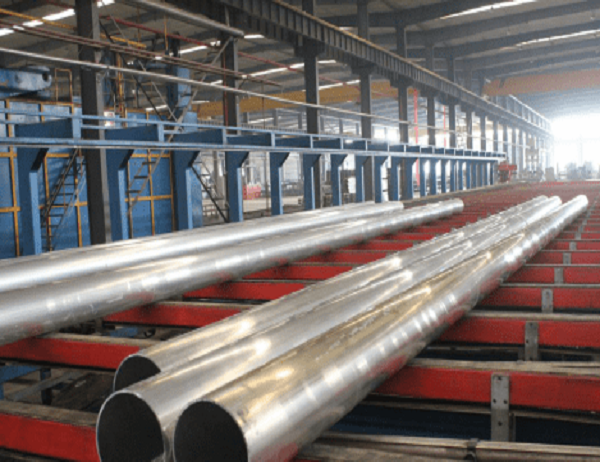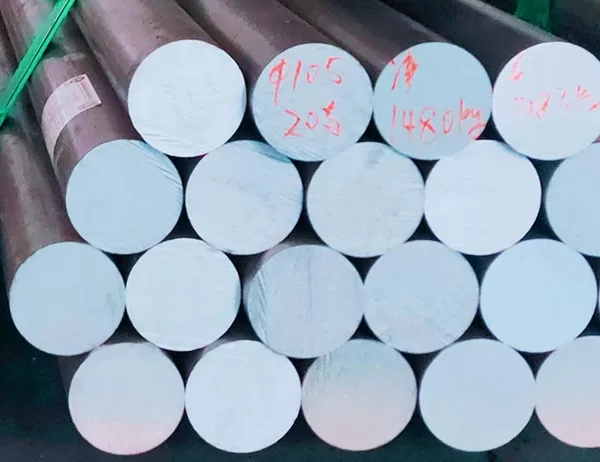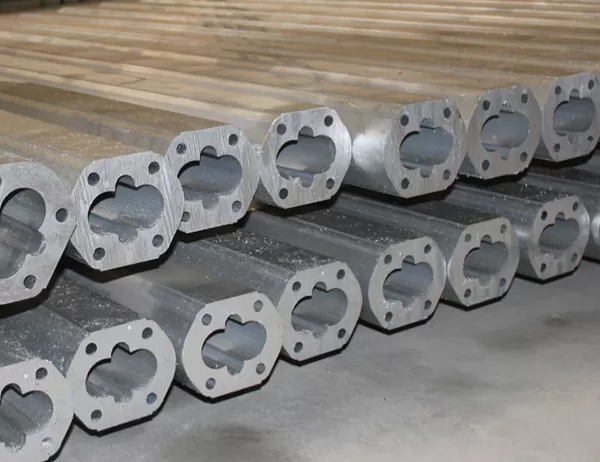
In an era demanding environmental stewardship, sustainable design has emerged as a cornerstone for architects and engineers seeking to minimize the environmental impact of their creations. Aluminum alloy tubing has become an indispensable ally in this endeavor, offering a myriad of benefits that support environmentally conscious design.
Light and Durable: Embracing Energy Efficiency
Aluminum alloys boast an exceptional strength-to-weight ratio, making them ideal for structural applications where weight reduction is paramount. This lightness contributes to reduced energy consumption during construction, transportation, and operation. Since less material is required to achieve the same level of strength, the carbon footprint of aluminum alloy tubing is significantly lower compared to heavier materials.
Corrosion Resistance: Minimizing Maintenance and Waste
Aluminum’s natural corrosion resistance eliminates the need for costly protective coatings and frequent maintenance. This durability ensures long-term performance, reducing the need for material replacement and minimizing waste associated with repairs and renovations. By extending the lifespan of structures, aluminum alloy tubing contributes to the sustainable life cycle of buildings.
Recyclability: Embracing a Circular Economy
Aluminum is one of the most recycled materials on Earth. Aluminum alloy tubing is highly recyclable, with a recycling rate of over 90%. This closed-loop process significantly reduces the environmental impact associated with extracting and processing raw aluminum, conserving natural resources and energy. By using recycled aluminum, designers can minimize their contribution to waste generation and support the circular economy.
Thermal Properties: Enhancing Energy Savings
Aluminum alloy tubing possesses excellent thermal conductivity properties, facilitating efficient heat transfer. This characteristic supports the use of aluminum in radiant heating and cooling systems, reducing energy consumption by maximizing heat exchange. By optimizing thermal performance, aluminum alloy tubing helps buildings achieve higher levels of energy efficiency and environmental sustainability.
Innovation and Sustainable Technologies
The ongoing advancement of aluminum alloy technology is driving the development of new and innovative sustainable applications. One example is the use of aluminum alloy tubing in lightweight solar panel frames. These frames reduce the weight and environmental footprint of solar installations, enhancing their overall sustainability while contributing to renewable energy generation.
In conclusion, aluminum alloy tubing is a material of choice for sustainable design. Its lightweight, corrosion resistance, recyclability, thermal properties, and innovative applications empower architects and engineers to create environmentally responsible structures that enhance energy efficiency, minimize waste, and embrace circularity. By incorporating aluminum alloy tubing into their designs, they can contribute to a greener future and a more sustainable built environment.