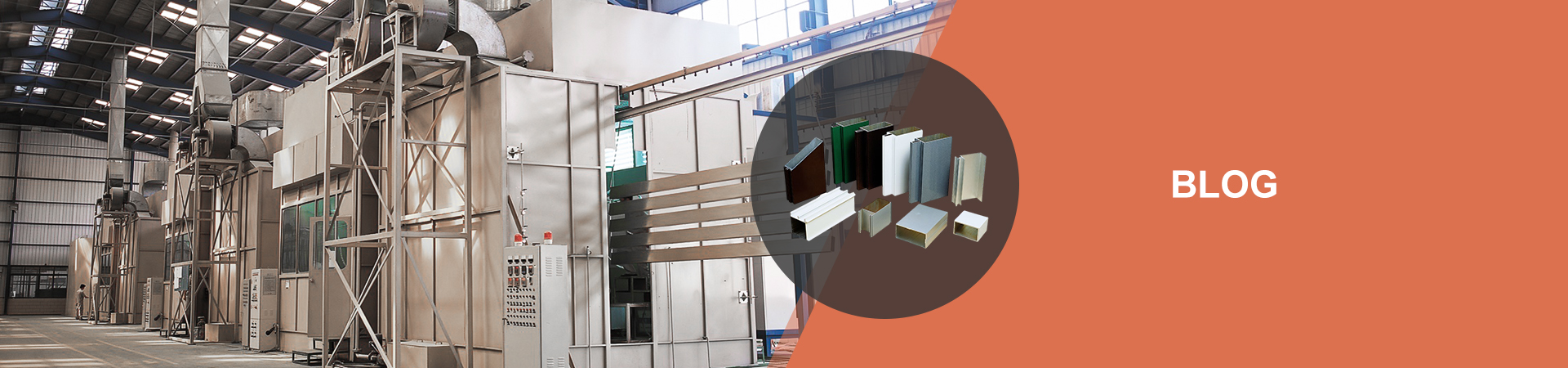
In the realm of manufacturing, industries are constantly striving to optimize efficiency and minimize expenses. Aluminum extrusion pipes have emerged as a transformative solution, unlocking substantial cost reductions for countless businesses.
Reduced Material Costs:
Aluminum is an inherently light and durable metal, making it an ideal choice for a wide range of structural applications. Aluminum extrusion pipes offer a substantial reduction in weight compared to traditional steel or iron materials. This results in significant savings on the cost of raw materials, as well as reduced transportation and handling expenses.
Efficient Production Process:
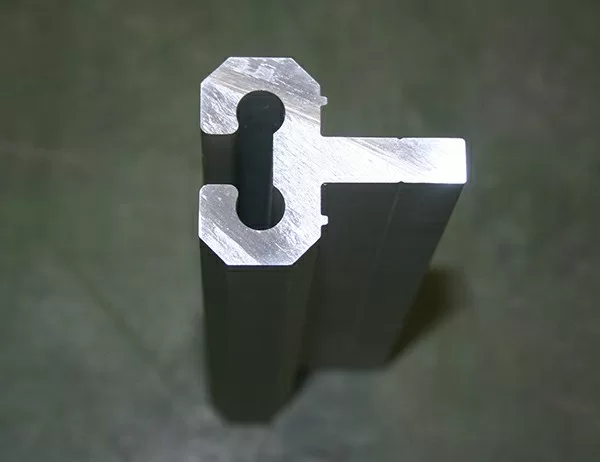
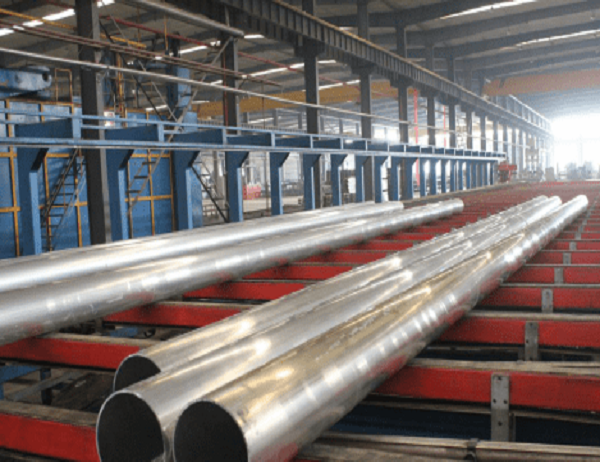
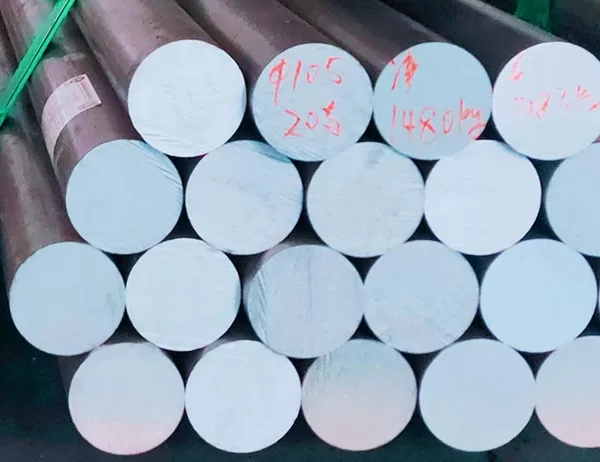
The extrusion process involves forcing molten aluminum through a shaped die, creating pipes with precise cross-sections. This eliminates the need for costly welding or fabrication, as the pipes are produced to the desired shape and size in a single step. The extrusion process is highly automated, further reducing labor costs and production time.
Versatile Applications:
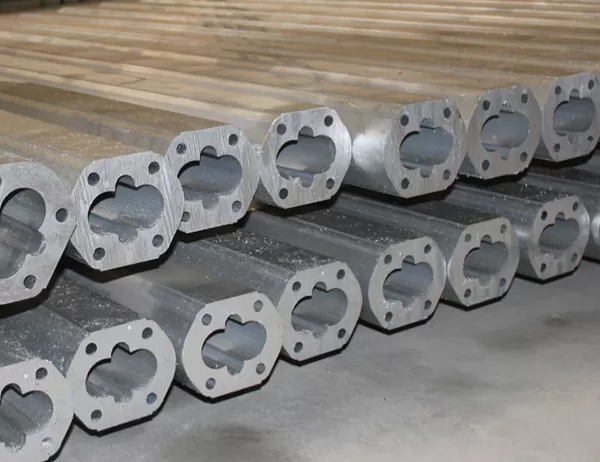
Aluminum extrusion pipes find applications in a vast array of industries, including construction, automotive, aerospace, and consumer electronics. Their versatility stems from their customizable dimensions, allowing for optimization based on specific requirements. This eliminates the need for multiple part designs and reduces inventory costs associated with maintaining a variety of materials.
Durability and Longevity:
Aluminum is highly corrosion-resistant, ensuring that extrusion pipes maintain their structural integrity for extended periods. Their durability eliminates the need for frequent replacements, reducing downtime and maintenance expenses. Additionally, aluminum’s low-maintenance nature requires minimal cleaning and upkeep, further reducing operational costs.
Environmental Benefits:
Aluminum is a highly recyclable material. Extrusion pipes made from recycled aluminum contribute to sustainability goals and reduce the environmental impact of production processes. The recyclability of aluminum also adds to its long-term cost-effectiveness, as it retains a substantial portion of its original value.
Conclusion:
By embracing aluminum extrusion pipes, manufacturers can harness a wealth of benefits that translate into tangible cost reductions. Their lightweight, efficient production, versatility, durability, and environmental advantages make them a compelling solution for businesses seeking to optimize their operations and enhance profitability. As the demand for cost-effective and sustainable manufacturing solutions grows, aluminum extrusion pipes are poised to play an increasingly pivotal role in the future of manufacturing.