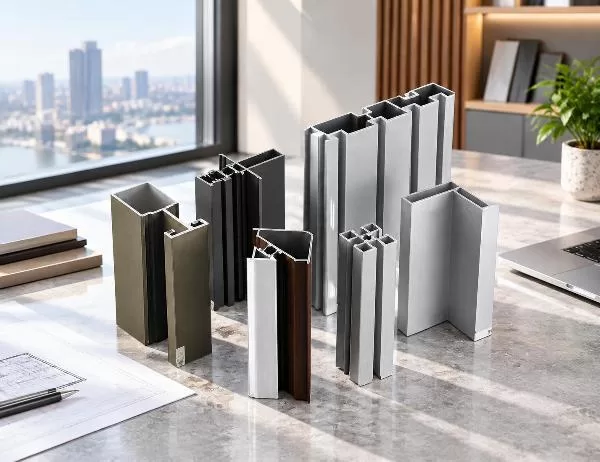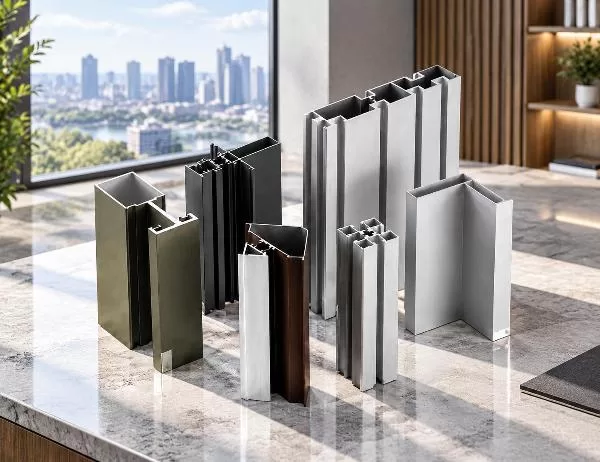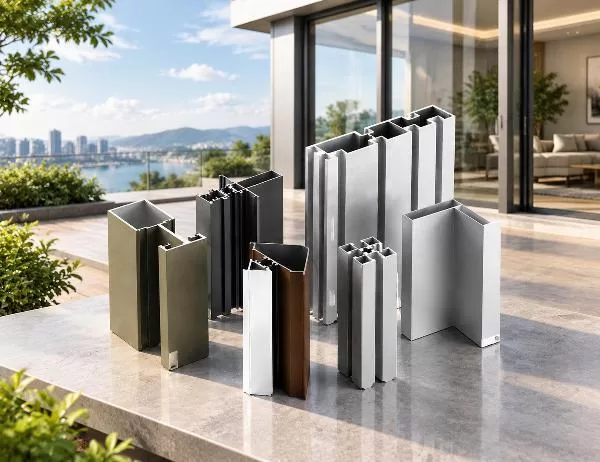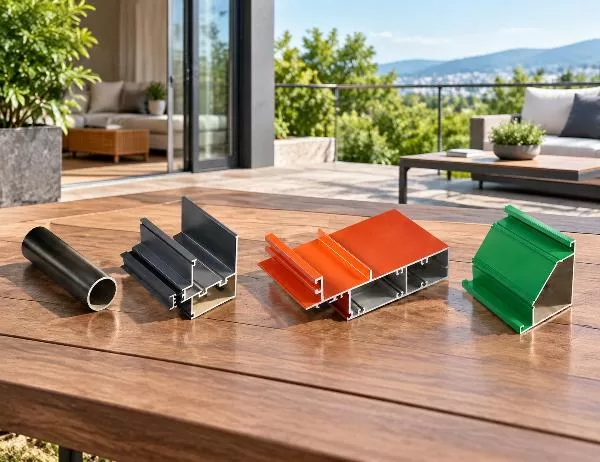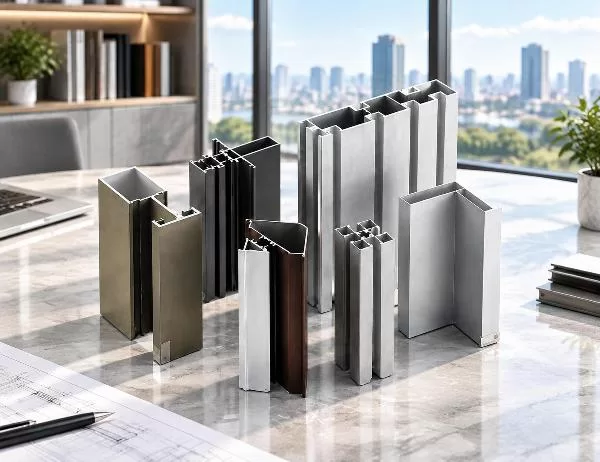
Aluminum extrusion suppliers play a significant role in promoting sustainability and contributing to the development of green buildings. By utilizing advanced technologies and sustainable practices, they offer a range of innovative solutions that enhance energy efficiency, reduce waste, and foster healthier living environments.
Energy Efficiency
Aluminum extrusions are lightweight and highly durable, making them ideal for windows, doors, and curtain walls. These components minimize heat transfer, effectively insulating buildings and reducing energy consumption. Additionally, extrusion suppliers employ thermal break systems, which further enhance energy performance by preventing heat loss through metal frames.
Material Sustainability
Aluminum is a highly recyclable material, and extrusion suppliers prioritize sustainable practices throughout their operations. They utilize closed-loop systems to recycle scrap metal and minimize waste, reducing their environmental footprint. Moreover, they source aluminum from responsible suppliers who adhere to strict ecological standards, ensuring that their products are ethically sourced.
Reduced Waste
Advanced extrusion techniques enable the production of complex shapes and profiles with minimal waste. By optimizing material usage, suppliers minimize the amount of scrap generated during manufacturing. Additionally, they employ waste reduction programs, such as Lean Six Sigma, to continuously improve their processes and eliminate inefficiencies.
Carbon Footprint Reduction
Extrusion suppliers are committed to reducing their carbon footprint. They invest in energy-efficient equipment and renewable energy sources to minimize their operational emissions. Furthermore, they collaborate with transportation providers to optimize logistics and reduce fuel consumption, further contributing to sustainability.
Indoor Air Quality
Aluminum extrusions are non-toxic and do not release harmful substances into the environment. They are widely used in healthcare facilities, schools, and other sensitive environments where indoor air quality is of paramount importance. Additionally, extrusion suppliers offer coatings and finishes that enhance the corrosion resistance and durability of aluminum, ensuring long-lasting performance and a healthier indoor environment.
Conclusion
Aluminum extrusion suppliers are indispensable partners in the pursuit of green building practices. Through their innovative products and sustainable operations, they contribute to energy efficiency, material sustainability, waste reduction, carbon footprint reduction, and indoor air quality. By partnering with green building professionals, extrusion suppliers play a vital role in creating environmentally conscious and healthy spaces for generations to come.