Aluminum’s Allure for ADAS
In the realm of automotive technology, advanced driver assistance systems (ADAS) reign supreme as the guardians of safety and convenience. And at the heart of these intricate systems lies a crucial component that makes it all possible: aluminum extrusions.
Precision and Strength in Perfect Harmony
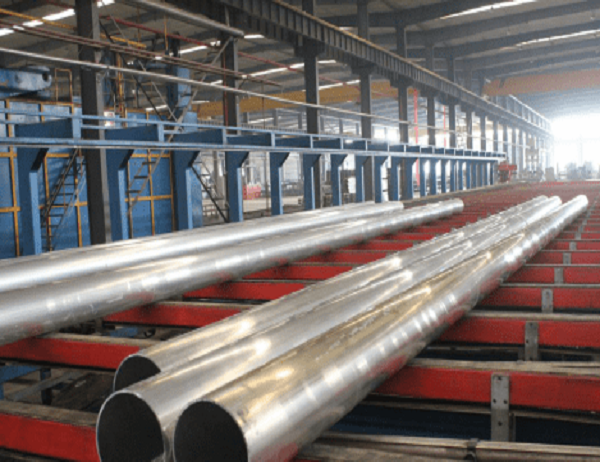
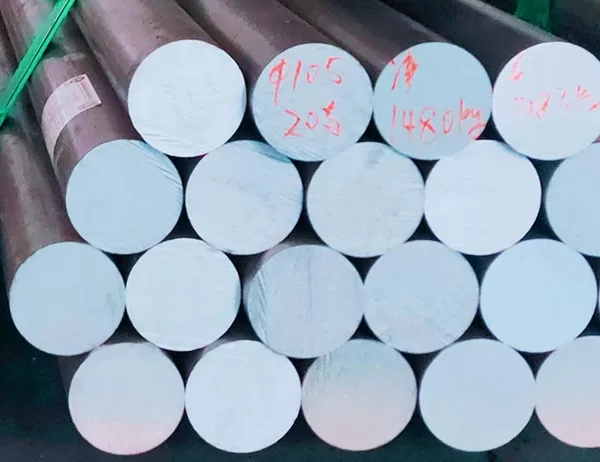
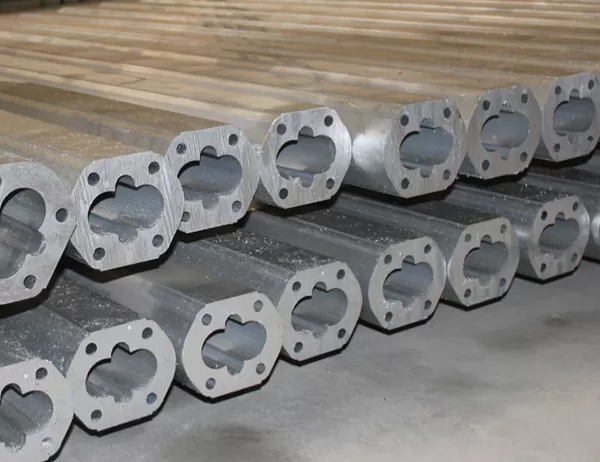
Aluminum extrusions are custom-designed profiles crafted from highly durable aluminum alloys. These versatile components offer an unrivaled blend of strength, rigidity, and lightweight properties, making them the ideal choice for ADAS applications. Their precision-machined surfaces and intricate geometries ensure precise alignment and mounting of sensors, cameras, and other critical components.
Unveiling the Power of Extrusions
In ADAS systems, aluminum extrusions play a multi-faceted role:
Sensor Mounts: Extrusions provide secure and stable platforms for sensors, ensuring accurate data acquisition for blind spot monitoring, lane departure warning, and adaptive cruise control.
Camera Brackets: Cameras rely on sturdy brackets to maintain their optimal position for real-time video processing, object detection, and road sign recognition. Aluminum extrusions deliver the necessary stability and vibration damping.
Mounting Frames: Extrusions serve as robust frameworks that house and protect the entire ADAS system, shielding it from environmental hazards and ensuring optimal performance.
Sustainable Solutions for a Greener Future
Beyond their functional capabilities, aluminum extrusions contribute to the sustainability of ADAS systems. Aluminum is a highly recyclable material, significantly reducing its environmental impact compared to other alternatives. By utilizing extrusions, manufacturers can minimize waste and promote responsible resource management.
Conclusion
Aluminum extrusions are indispensable components in advanced driver assistance systems, providing the precision, strength, and durability required for these life-saving technologies to function seamlessly. Their versatility, sustainability, and ability to enhance overall system performance make them an essential element in the future of automotive safety and convenience.