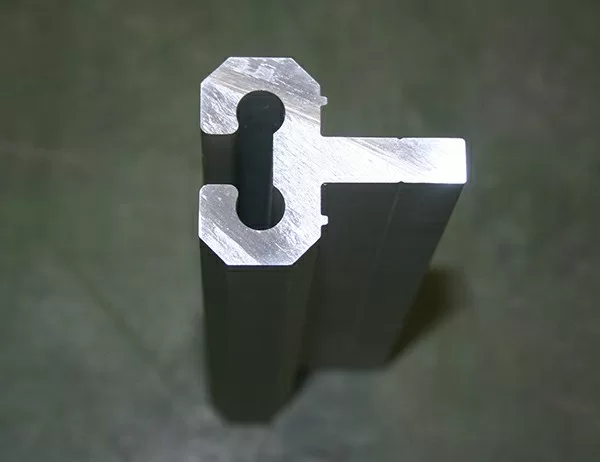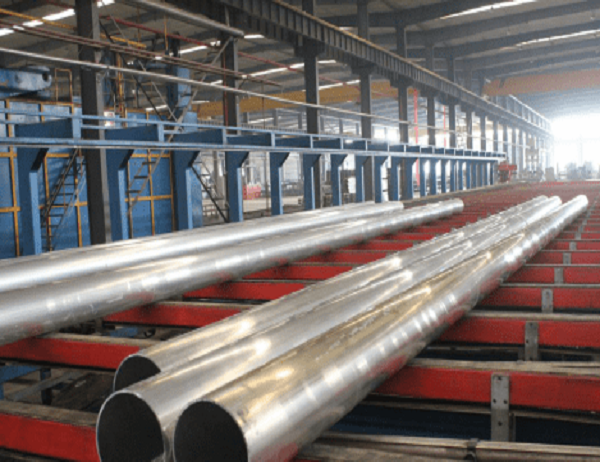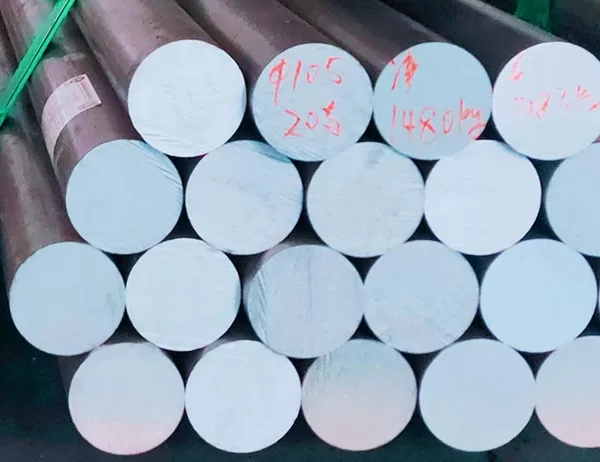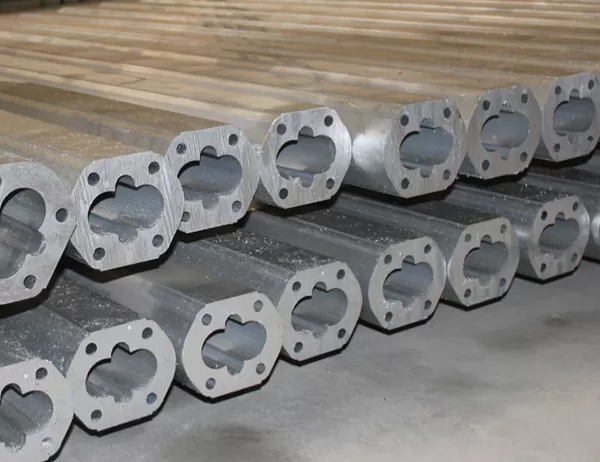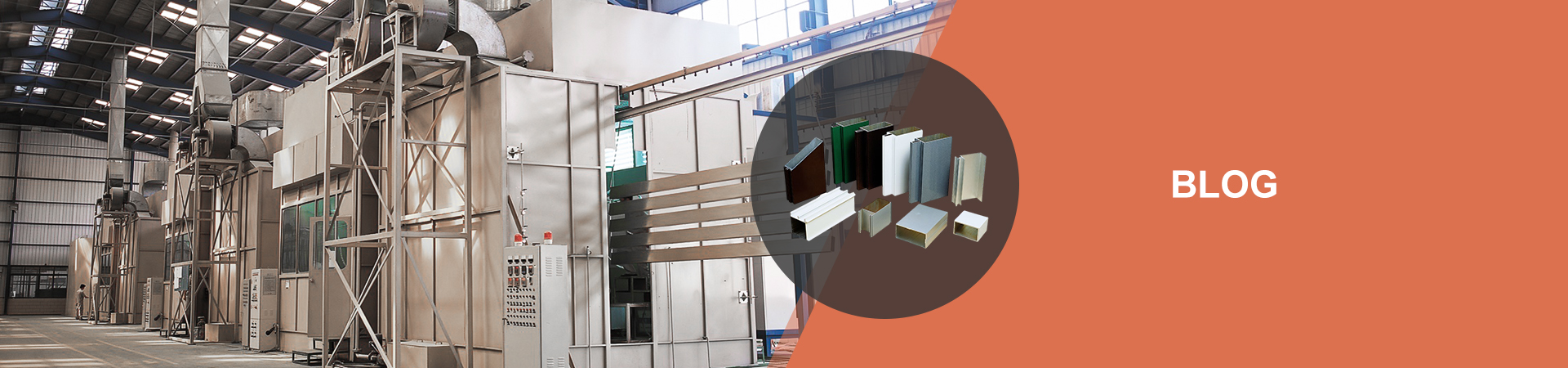
In the realm of industrial design, the utilization of aluminum track profiles has emerged as a transformative solution, offering unparalleled cost-saving advantages. These versatile components have revolutionized the approach to material handling and process automation, leading to substantial financial benefits across various industries.
Reduced Maintenance and Downtime
Aluminum track profiles are inherently durable and resistant to wear and tear compared to traditional materials like steel. Their lightweight nature minimizes friction during operation, leading to reduced maintenance requirements and extended lifespan. As a result, businesses can minimize downtime, increase productivity, and avoid costly repairs or replacements.
Lightweight Construction
The low density of aluminum makes it an ideal choice for track profiles. This lightweight feature translates into lower material consumption, reducing overall project costs. Moreover, it simplifies installation and handling, eliminating the need for heavy equipment, further reducing expenses.
Energy Efficiency
The smooth, low-friction surface of aluminum track profiles allows for smooth and efficient movement of materials. This reduces energy consumption by minimizing frictional losses. Over time, these energy savings can accumulate into substantial cost savings for businesses, especially those operating in high-volume, continuous manufacturing environments.
Precision and Flexibility
Aluminum track profiles are manufactured to precise tolerances, ensuring consistent performance and reliable operation. This precision eliminates the need for costly rework or adjustments, reducing manufacturing costs. Additionally, their adaptability allows for easy customization to meet specific design requirements, accommodating changes in processes or layouts, without requiring major structural revisions.
Environmental Sustainability
Aluminum is a highly recyclable material, contributing to the environmental sustainability of aluminum track profiles. By choosing aluminum, businesses can reduce their carbon footprint, enhance their environmental credentials, and potentially benefit from government incentives for sustainable practices.
Conclusion
In conclusion, the incorporation of aluminum track profiles into industrial designs offers a wealth of cost-saving opportunities. Their durability, lightweight nature, energy efficiency, precision, and flexibility translate into reduced maintenance, minimized downtime, lower material consumption, and increased productivity. By embracing these versatile components, businesses can optimize their operations, enhance sustainability, and achieve significant financial savings over the long term.