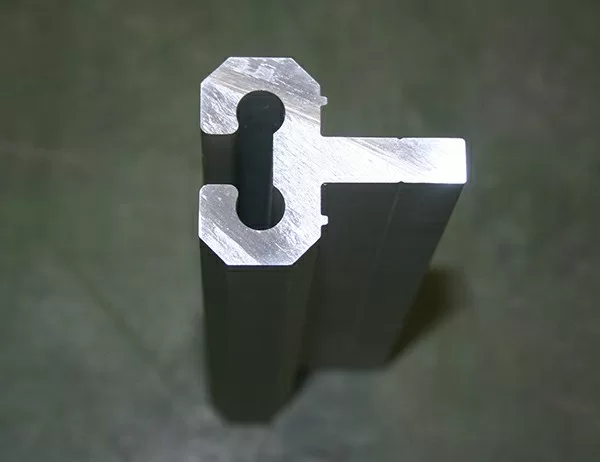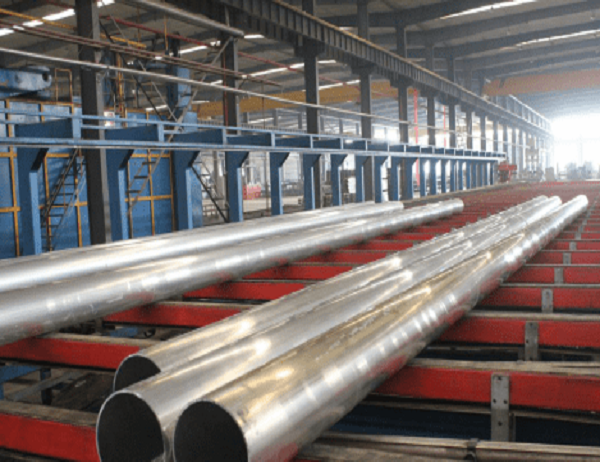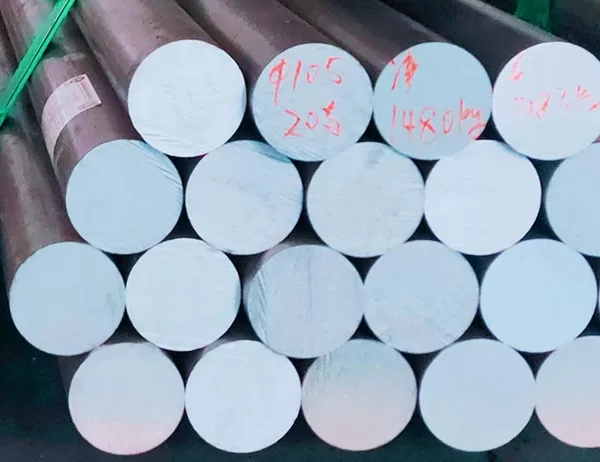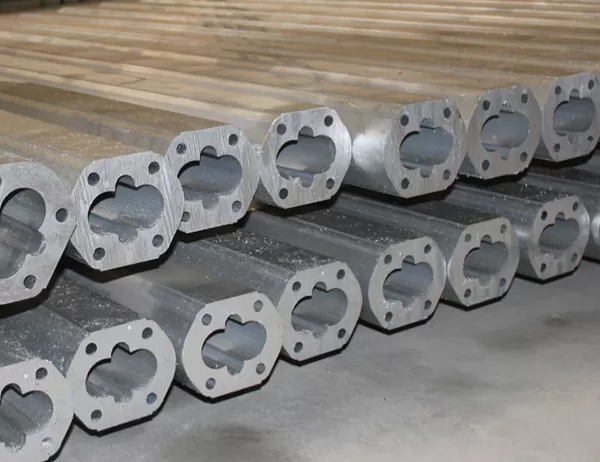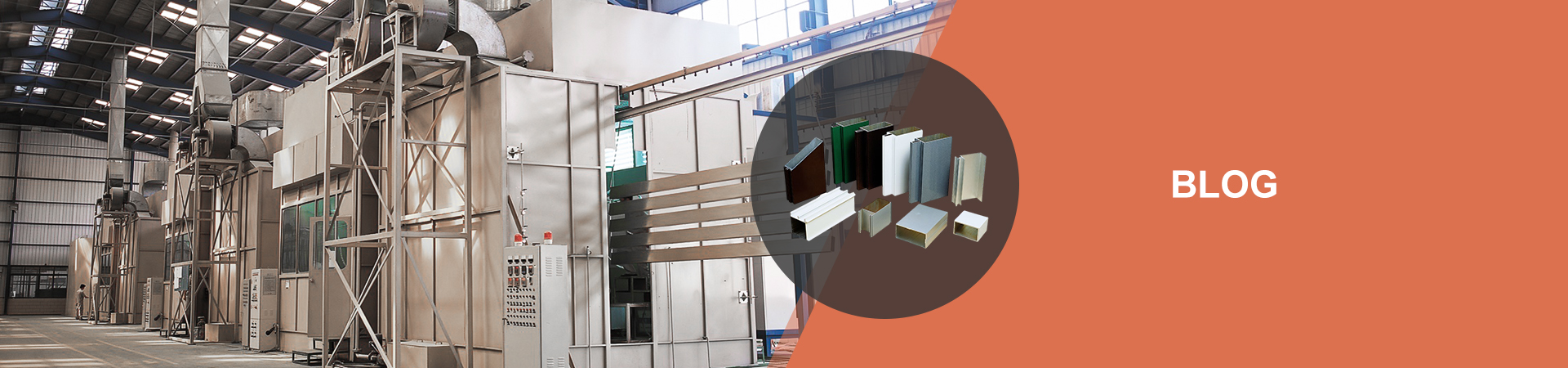
Precision engineering requires unwavering accuracy and efficiency. In this realm, aluminum track profiles emerge as indispensable components that elevate operational capabilities to unprecedented heights. Their unique properties and versatility make them a game-changer in industries ranging from manufacturing to transportation.
Enhanced Efficiency
Aluminum track profiles are renowned for their lightweight and robust nature. The low mass-to-strength ratio allows for rapid acceleration and deceleration, maximizing productivity in motion-intensive applications. Precision-engineered profiles ensure smooth and frictionless movement, reducing wear and tear on equipment and minimizing maintenance downtime.
Furthermore, aluminum’s inherent corrosion resistance eliminates the need for frequent surface treatments or coatings, saving time and resources while maintaining optimal performance. Its non-magnetic properties prevent electromagnetic interference, safeguarding sensitive equipment and ensuring operational stability.
Precision Machining
Aluminum’s machinability is another key attribute that contributes to enhanced precision. Advanced CNC milling and cutting techniques can shape and contour track profiles with pinpoint accuracy, creating intricate designs and complex shapes. These profiles can be customized to precisely align with specific components or assembly requirements.
By eliminating manual adjustments and ensuring precise fitment, aluminum track profiles minimize assembly time and reduce the risk of errors. This translates into faster and more accurate product assembly, ultimately enhancing overall efficiency and quality.
Advanced Applications
In manufacturing, aluminum track profiles are used to create precision machinery, conveyance systems, and assembly lines. Their ability to maintain dimensional stability under heavy loads and high speeds makes them ideal for applications requiring consistent and repeatable motion.
In aerospace, aluminum track profiles form the backbone of aircraft structures, providing rigid and lightweight support for various components. Their ability to withstand extreme temperatures and environmental conditions ensures safety and durability.
Aluminum track profiles have also revolutionized the transportation sector. They are employed in suspension systems, braking mechanisms, and guidance systems, contributing to smoother and more efficient movement of vehicles.
Conclusion
Aluminum track profiles represent a technological marvel that enhances efficiency and precision in countless applications. Their lightweight, durability, and exceptional machinability make them the preferred choice for engineers seeking to optimize performance and achieve unparalleled accuracy. As technology continues to advance, aluminum track profiles will undoubtedly play an increasingly vital role in shaping the future of precision engineering and manufacturing excellence.