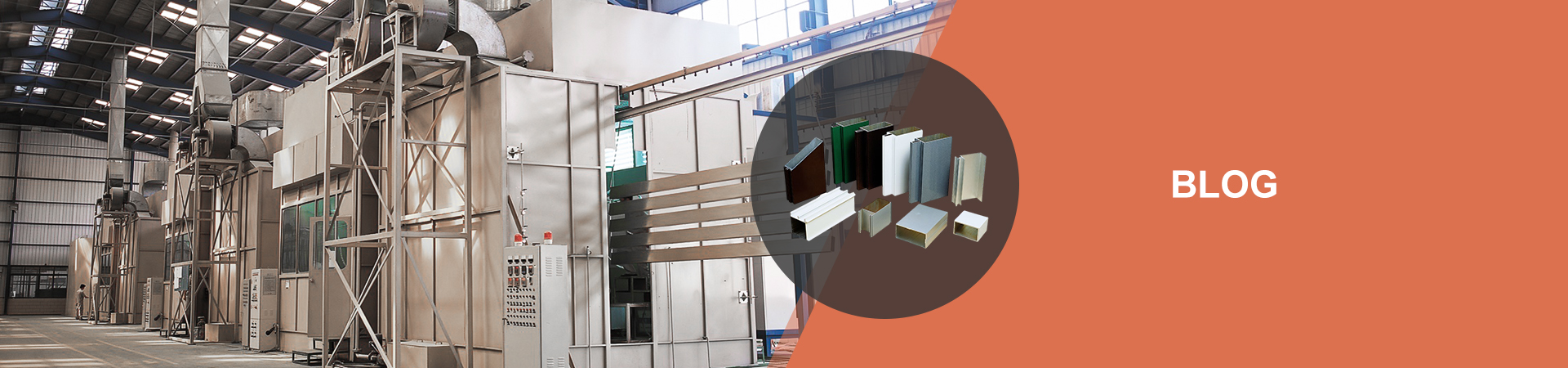
Aluminum track profiles have revolutionized the construction industry, offering unmatched performance and flexibility in a wide range of applications. They provide numerous advantages over traditional materials, making them the preferred choice for architects, engineers, and contractors around the world. This article explores the ways in which aluminum track profiles enhance performance and flexibility, showcasing their versatility and value.
Enhanced Structural Integrity
Aluminum track profiles are constructed from high-strength aluminum alloys, renowned for their exceptional rigidity and durability. They are engineered to withstand heavy loads and resist deformation, ensuring the structural integrity of the application. The rigidity of these profiles prevents sagging or bending under pressure, maintaining the intended shape and stability of the structure.
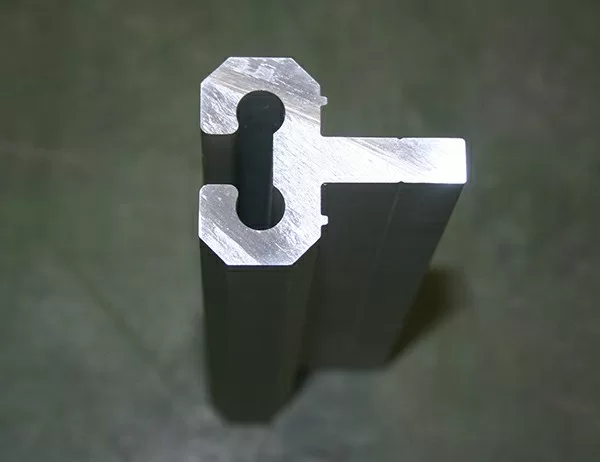
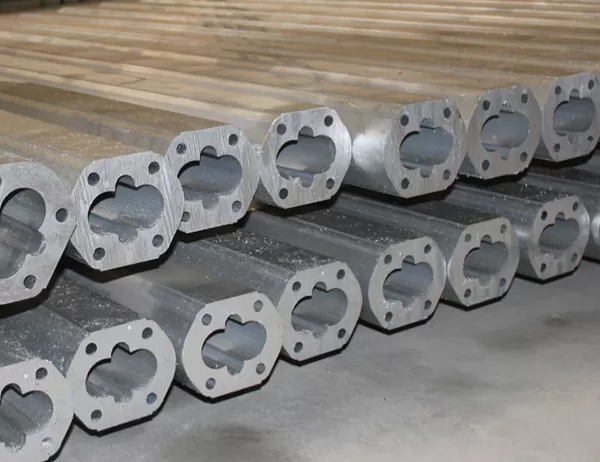
Furthermore, aluminum track profiles are designed with precision-engineered shapes and dimensions. They feature interlocking joints that provide seamless and secure connections, eliminating weak points and ensuring a robust and long-lasting assembly. The precise fit of these profiles ensures consistent load distribution, minimizing stress concentrations and preventing premature failure.
Lightweight and Easy Installation
Despite their impressive strength, aluminum track profiles are remarkably lightweight. This reduces the overall weight of the structure, making it easier to handle and transport. The lightweight nature of aluminum also simplifies the installation process, allowing for quick and efficient assembly.
The simplicity of installing aluminum track profiles stems from their pre-engineered design. They come in standardized lengths and shapes, making it easy to cut and assemble them according to the desired design. The interlocking joints allow for quick and secure connections, eliminating the need for complex fabrication techniques. This streamlined installation process significantly reduces construction time and labor costs.
Flexibility and Design Versatility
Aluminum track profiles offer exceptional flexibility in design and application. They can be easily cut and shaped to suit various requirements, enabling architects and engineers to create custom solutions for specific projects. The modular nature of these profiles allows for the creation of complex structures with ease.
The flexibility of aluminum track profiles extends to their adaptability to different architectural styles and design aesthetics. Whether it’s a modern minimalist look or a traditional ornate design, aluminum profiles can be tailored to complement the overall aesthetic of the building. This versatility makes them an ideal choice for both residential and commercial applications.
Sustainability and Durability
Aluminum track profiles are known for their exceptional durability and resistance to corrosion, making them an environmentally friendly choice. They are fully recyclable, reducing the environmental impact associated with construction. Additionally, their longevity eliminates the need for frequent replacements, further contributing to sustainability.
The high-quality materials and construction techniques used in the production of aluminum track profiles ensure their resistance to adverse weather conditions, such as rain, humidity, and extreme temperatures. They do not rust or corrode, maintaining their structural integrity and appearance over time, reducing maintenance and replacement costs.
Conclusion
Aluminum track profiles have emerged as the preferred choice for a wide range of applications due to their exceptional performance and flexibility. They offer enhanced structural integrity, light weight, ease of installation, design versatility, and sustainability. Whether it’s for commercial buildings, residential homes, or industrial facilities, aluminum track profiles provide architects, engineers, and contractors with a reliable and cost-effective solution. By leveraging the unique properties of aluminum, these profiles enable the creation of innovative structures that meet the demands of modern construction.