Aluminium is a highly versatile material that is widely used in various industries. However, it is susceptible to corrosion, which can compromise its integrity and performance. Anodizing aluminium sheets is a surface treatment process that significantly enhances their corrosion resistance. This article will explore how anodised aluminium sheets improve corrosion resistance, highlighting several key aspects.
The anodization process involves immersing the aluminium sheet in an electrolytic bath. When an electrical current is passed through the solution, oxygen combines with the aluminium to form a hard, non-porous oxide layer on the metal’s surface. This oxide layer acts as a protective barrier, preventing corrosive substances from penetrating the aluminium.
Anodised aluminium sheets exhibit improved adhesion properties. The oxide layer enhances the bonding strength between the metal and coatings or adhesives, resulting in increased durability. The oxide layer is resistant to wear and abrasion, ensuring that the sheet’s corrosion resistance remains intact even in harsh environments.
The oxide layer formed during anodization also provides thermal and electrical insulation. It acts as a barrier, preventing heat and electricity from passing through the aluminium sheet. This property makes anodized aluminium sheets suitable for applications involving heat dissipation and electrical insulation.
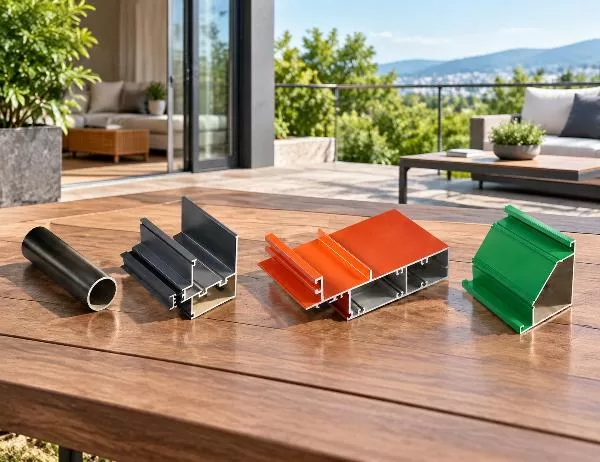
Anodization can be used to produce anodised aluminium sheets in a wide range of colours. The oxide layer created during anodization can be dyed or coloured using various techniques, allowing for customization and aesthetic enhancement. This versatility makes anodized aluminium sheets suitable for architectural, decorative, and automotive applications.
Anodized aluminium sheets are environmentally friendly. The anodization process does not release any harmful chemicals or by-products. The oxide layer formed is inert and non-toxic, making anodized aluminium sheets safe for use in food and medical applications.
Anodized aluminium sheets offer superior corrosion resistance compared to untreated aluminium sheets. The protective oxide layer, improved adhesion, enhanced insulation properties, colour customization options, and environmental compatibility make anodized aluminium sheets an ideal choice for various applications requiring durability and corrosion resistance. Whether in architecture, automotive, electronics, or other industries, anodized aluminium sheets provide reliable protection and enhance the functionality of aluminium components.