Introduction
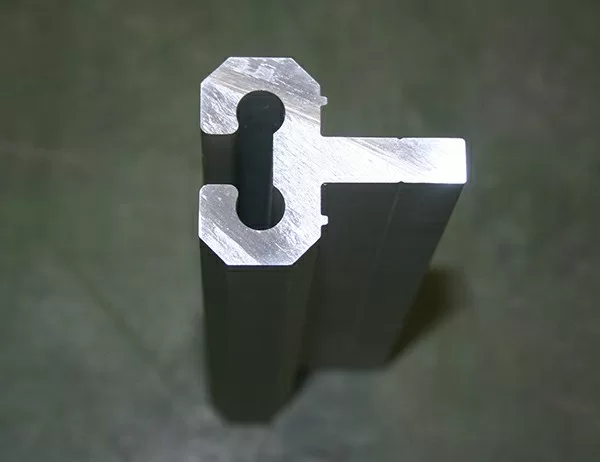
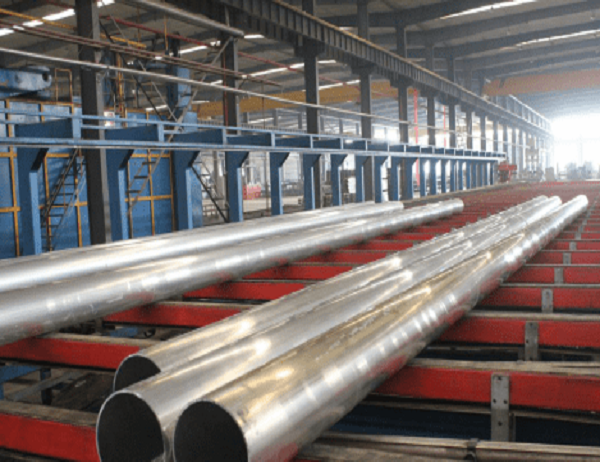
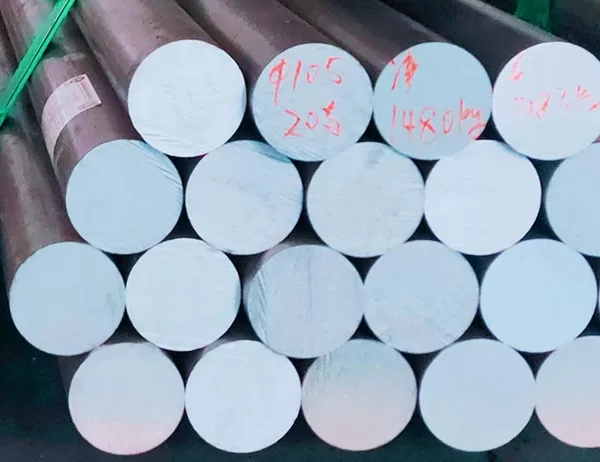
Extruded aluminum tubes are revolutionizing various industries due to their exceptional properties and versatility. These tubes are manufactured by forcing molten aluminum through a die to create intricate shapes with precise dimensions. Explore the transformative impact of extruded aluminum tubes across multiple domains.
Enhanced Durability and Corrosion Resistance
Extruded aluminum tubes exhibit superior durability compared to traditional materials like steel or plastic. They resist corrosion, oxidation, and wear, ensuring long-lasting performance in challenging environments. Their robust nature makes them ideal for applications in marine, aerospace, and chemical processing industries.
Customization and Design Flexibility
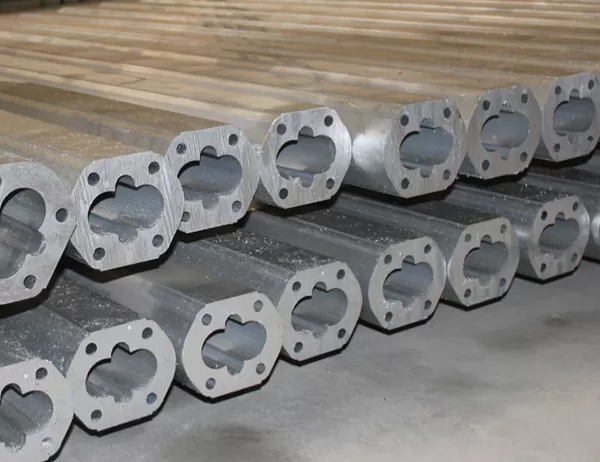
Extruded aluminum tubes offer unparalleled customization options. They can be produced in a vast array of shapes, sizes, and thicknesses to meet specific design requirements. This flexibility enables manufacturers to create complex designs with intricate geometries, optimizing performance and aesthetics.
Enhanced Thermal Conductivity
Extruded aluminum tubes possess excellent thermal conductivity, allowing for efficient heat transfer. This makes them ideal for applications involving heat exchange, such as in automotive radiators, electronics cooling systems, and thermal management solutions.
Lightweight and High Strength
Despite their durability, extruded aluminum tubes are remarkably lightweight, reducing overall weight while maintaining structural integrity. This combination of properties is particularly beneficial in industries such as aerospace, transportation, and construction, where weight optimization is crucial.
Cost-Effective and Sustainable
Extruded aluminum tubes are cost-effective when compared to alternative materials. They can be recycled multiple times without losing their inherent qualities, ensuring environmental sustainability. Their long service life further contributes to cost savings over time.
Applications Across Industries
Aerospace: Structural components, heat exchangers, and aircraft skins
Automotive: Engine blocks, radiators, and suspension systems
Construction: Window frames, curtain walls, and roofing systems
Electronics: Heat sinks, enclosures, and circuit boards
Marine: Hulls, railings, and masts
Conclusion
Extruded aluminum tubes are transforming industries across the board with their unique combination of properties. Their durability, corrosion resistance, customization options, enhanced thermal conductivity, lightweight strength, and cost-effectiveness make them an exceptional choice for various applications. As technology continues to advance, these tubes are poised to play an increasingly vital role in shaping the future of product design and manufacturing.