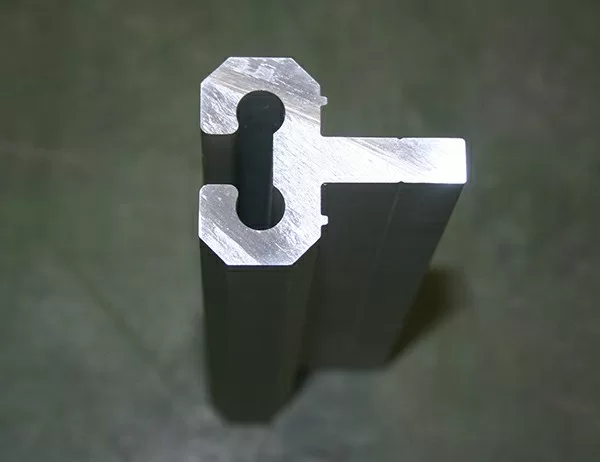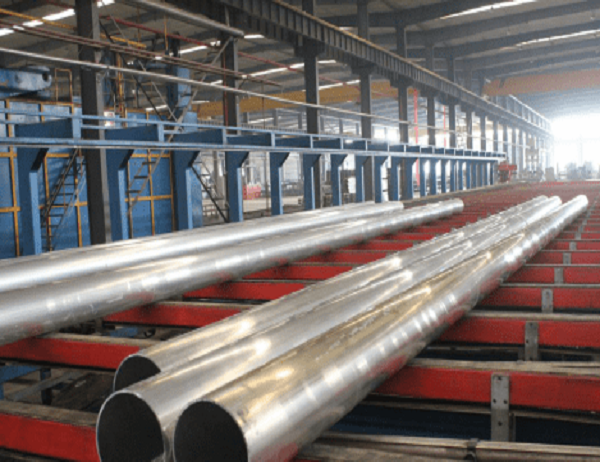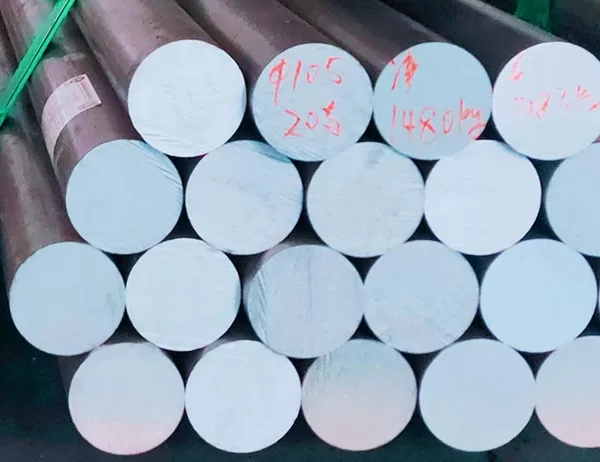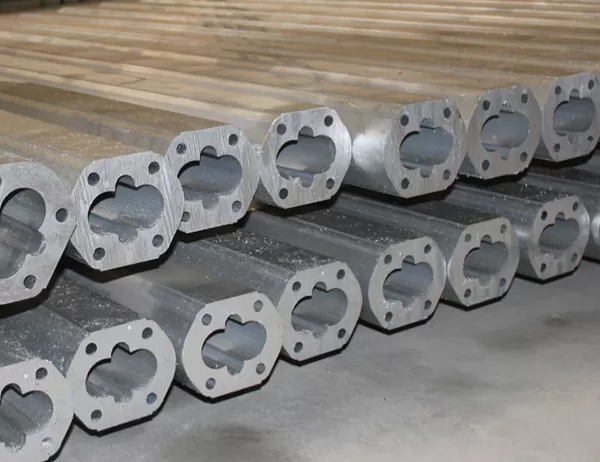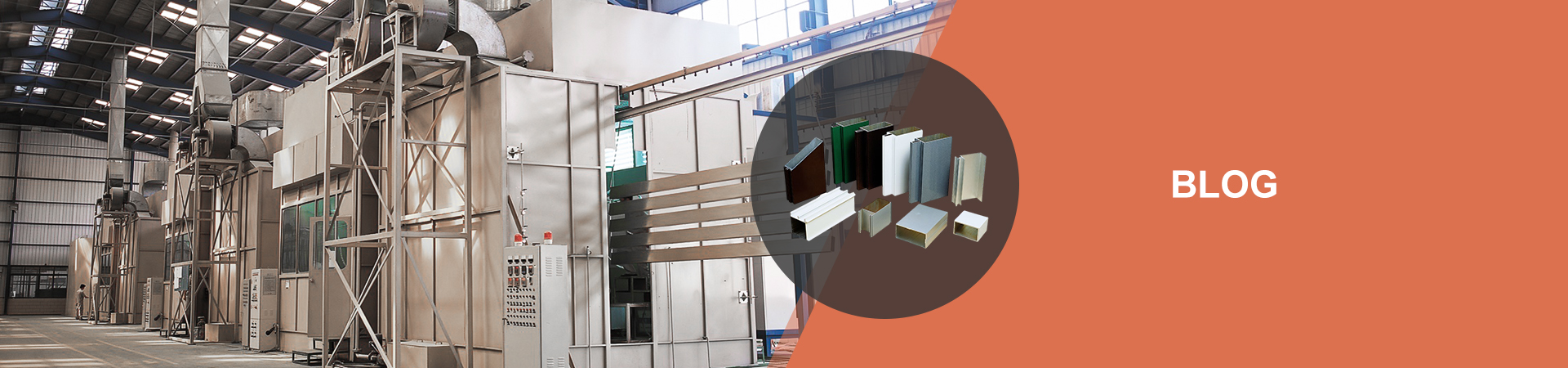
In the realm of sustainable architecture, extruded aluminum tubes have emerged as a modern-day marvel, revolutionizing the construction industry with their unparalleled strength, durability, and sustainability credentials.
Lightweight Resilience
Extruded aluminum tubes boast an exceptional strength-to-weight ratio, making them ideal for building facades, curtain walls, and other structural applications where weight is a crucial factor. Their lightweight construction allows for reduced material usage, minimizing carbon emissions during manufacturing and transportation.
Corrosion Resistance
Aluminum’s natural oxide layer provides exceptional corrosion resistance, making extruded tubes impervious to rust and other environmental factors. This eliminates the need for chemical treatments or coatings, reducing environmental impact and extending the building’s lifespan.
Energy Efficiency
The reflective surface of extruded aluminum tubes helps regulate interior temperatures, reducing reliance on heating and cooling systems. Their ability to redirect sunlight and heat away from buildings contributes to energy savings and lower operating costs.
Recyclability
Aluminum is a 100% recyclable material, making extruded tubes an environmentally friendly choice. The recovery and reuse of aluminum significantly reduces waste and conserves natural resources, minimizing the environmental footprint of building projects.
Design Versatility
Extruded aluminum tubes offer unparalleled design flexibility. Their ability to be customized in shape, size, and finish allows architects to create innovative and aesthetically pleasing structures. From sleek curtain walls to intricate architectural accents, extruded tubes provide limitless design possibilities.
Conclusion
Extruded aluminum tubes play a vital role in advancing sustainable building practices. Their lightweight resilience, corrosion resistance, energy efficiency, recyclability, and design versatility empower architects and builders to create structures that meet the demands of a rapidly changing world while simultaneously preserving the environment for generations to come. By embracing this groundbreaking technology, we can collectively shape a more sustainable future for the built environment.