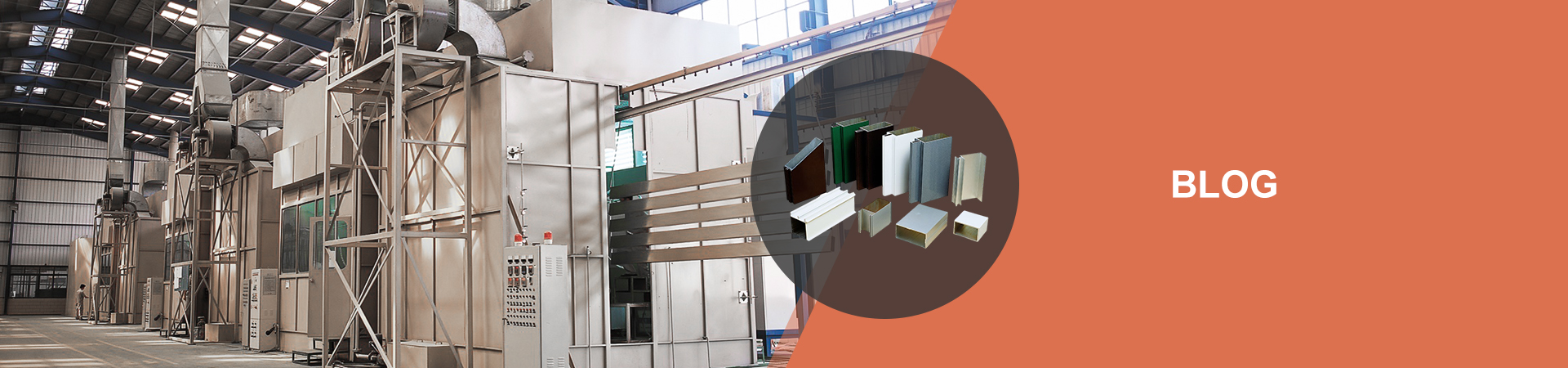
In the realm of engineering, where the pursuit of strength and resilience reigns supreme, extruded aluminum tubes stand as a beacon of innovation, transforming the frontiers of structural integrity.
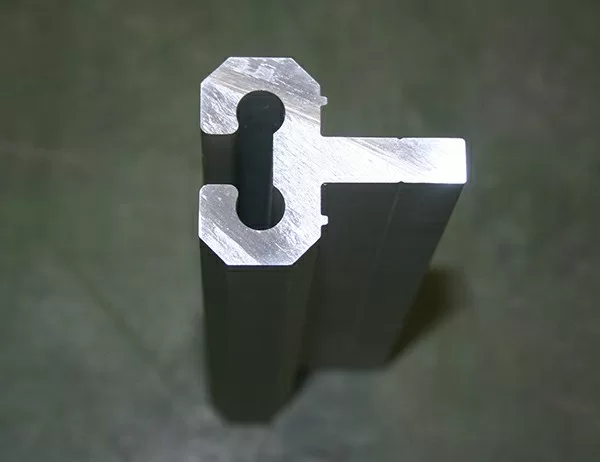
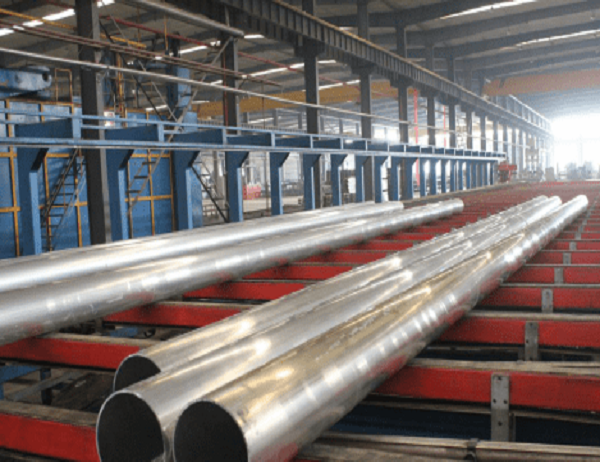
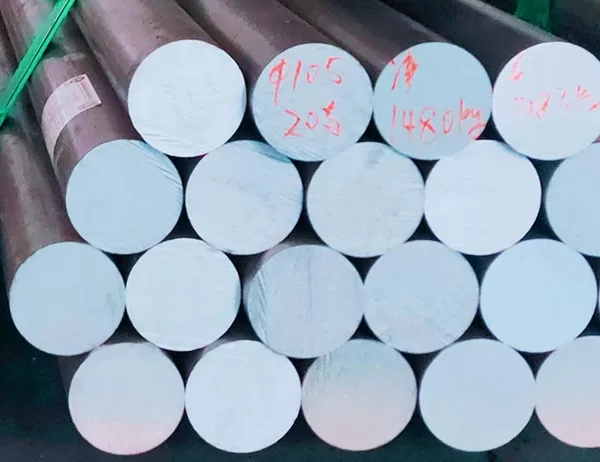
Extruded aluminum tubes are cylindrical components crafted by forcing aluminum alloy through a die, resulting in intricate profiles with exceptional precision. Their unique properties have made them an indispensable material in diverse industries, from aerospace to automotive, construction to medical.
The unparalleled strength of extruded aluminum tubes stems from their internal microstructures. During extrusion, the aluminum alloy undergoes intense deformation, aligning its grain structure in the direction of the tube’s axis. This alignment creates an anisotropic material with superior mechanical properties, including tensile strength, yield strength, and fatigue resistance.
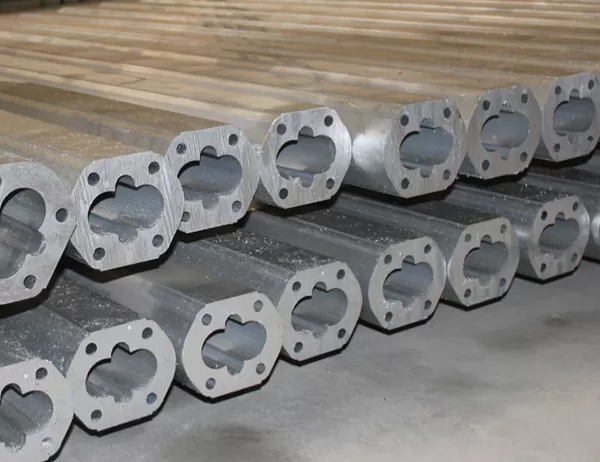
Moreover, the hollow nature of extruded aluminum tubes offers a distinct advantage in structural applications. By optimizing the wall thickness and cross-sectional shape, engineers can achieve a lightweight yet highly rigid structure. This characteristic is crucial in applications where minimizing weight is paramount, such as in aircraft and high-performance vehicles.
In addition to their mechanical strength, extruded aluminum tubes possess exceptional corrosion resistance due to the formation of a protective oxide layer on their surface. This layer shields the aluminum from the damaging effects of environmental factors, making them ideal for both indoor and outdoor applications.
The versatility of extruded aluminum tubes extends beyond their structural capabilities. Their ability to be anodized or powder-coated allows for customization of color and surface texture, enhancing their aesthetic appeal and providing additional protection against wear and tear.
By incorporating extruded aluminum tubes into structural designs, engineers unlock a realm of possibilities. From towering skyscrapers to sleek sports cars, these remarkable components enhance stability, reduce weight, and extend the lifespan of structures. Their use has revolutionized the way we approach structural integrity, pushing the boundaries of engineering excellence.