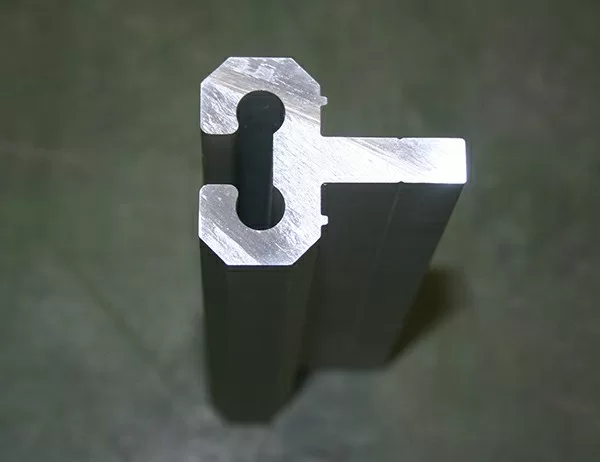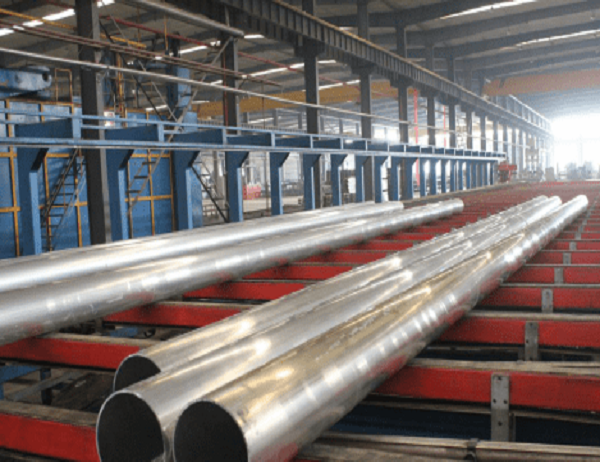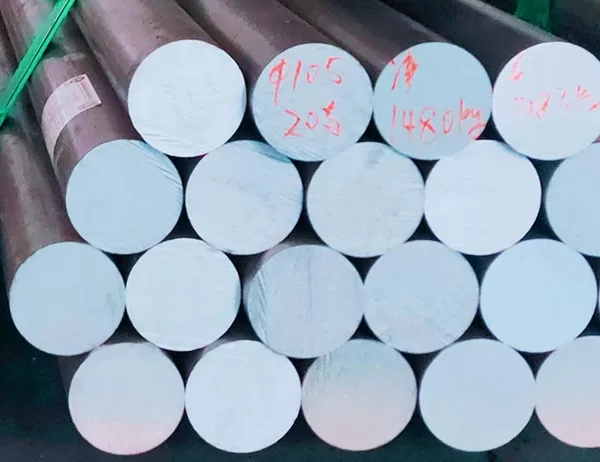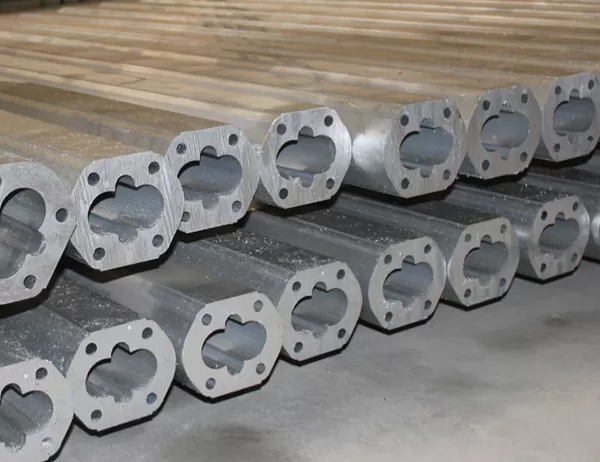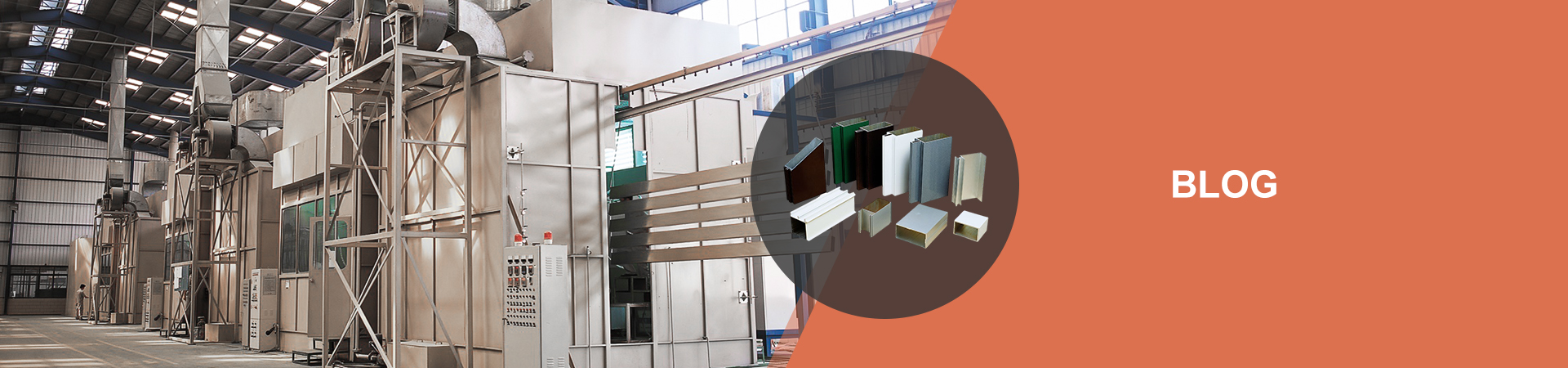
In the realm of manufacturing, reducing production costs while maintaining quality is a constant pursuit. Industrial aluminum profiles, with their myriad benefits, have emerged as a game-changer in this endeavor. This article will delve into the transformative impact of aluminum profiles on production costs, highlighting how they can streamline processes, reduce waste, and enhance efficiency.
Streamlining Processes:
Aluminum profiles are precision-engineered to exact specifications, eliminating the need for costly and time-consuming machining processes. By using pre-fabricated profiles, manufacturers can bypass the fabrication stage, saving significant labor and equipment costs. Moreover, the lightweight and inherently strong nature of aluminum allows for easy handling and assembly, further reducing labor requirements.
Reducing Waste:
Aluminum profiles are manufactured in controlled conditions, ensuring minimal waste during production. The high strength-to-weight ratio of aluminum allows for thinner sections, minimizing material consumption and reducing scrap. Additionally, the inherent recyclability of aluminum makes it an environmentally conscious choice that further reduces waste and associated costs.
Enhancing Efficiency:
The consistent quality and dimensional accuracy of aluminum profiles contribute to overall production efficiency. By reducing the need for rework and minimizing assembly errors, manufacturers can achieve faster production cycles and increased throughput. Furthermore, the corrosion resistance of aluminum eliminates the need for costly surface treatments, further reducing production time and costs.
Durability and Longevity:
Industrial aluminum profiles offer exceptional durability and longevity, reducing the need for frequent replacements and maintenance. Their resistance to rust, corrosion, and wear ensures long-lasting performance, minimizing downtime and associated expenses. By investing in high-quality aluminum profiles, manufacturers can reap the benefits of reduced maintenance costs over the product’s lifespan.
Conclusion:
Industrial aluminum profiles have become an invaluable asset for manufacturers striving to reduce production costs. By streamlining processes, reducing waste, enhancing efficiency, and ensuring durability, aluminum profiles empower manufacturers to optimize their operations and achieve significant cost savings. Their adoption has transformed the manufacturing landscape, setting the stage for increased competitiveness, profitability, and sustainable production practices.