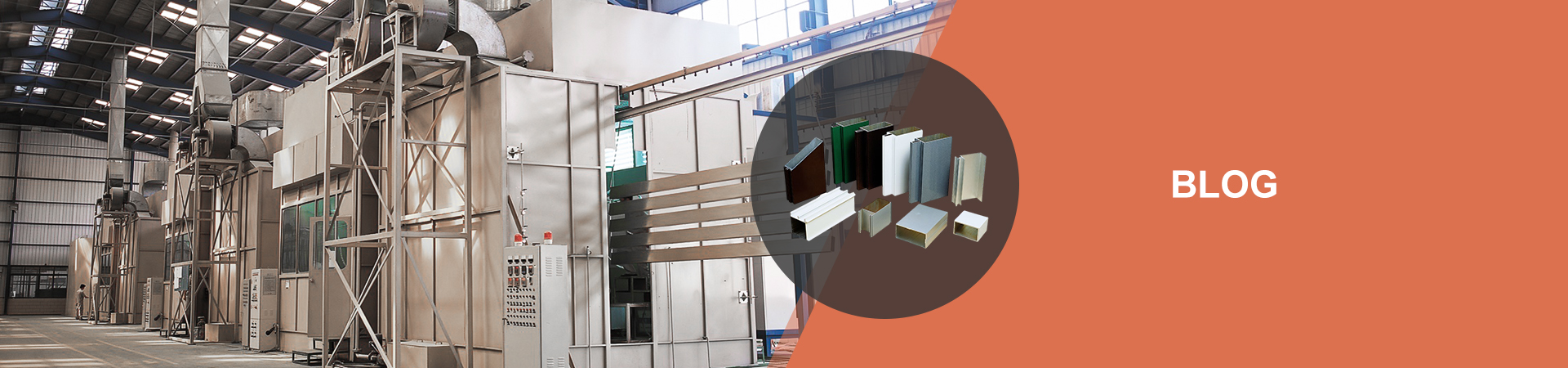
In the realm of engineering, materials play a pivotal role in shaping the design and functionality of countless projects. Among the diverse array of materials available, industrial aluminum profiles have emerged as a versatile and indispensable choice for a wide range of applications due to their exceptional properties and adaptability. This article will delve into the multifaceted ways in which industrial aluminum profiles complement various engineering projects, exploring their advantages and demonstrating their practical implementation.
Industrial aluminum profiles possess remarkable structural integrity and durability, making them ideal for projects requiring strong and lightweight support structures. Aluminum’s high strength-to-weight ratio allows for the creation of lightweight structures that can withstand substantial loads without compromising their stability. Moreover, the corrosion resistance of aluminum ensures that these profiles can endure harsh environmental conditions without significant degradation over time.
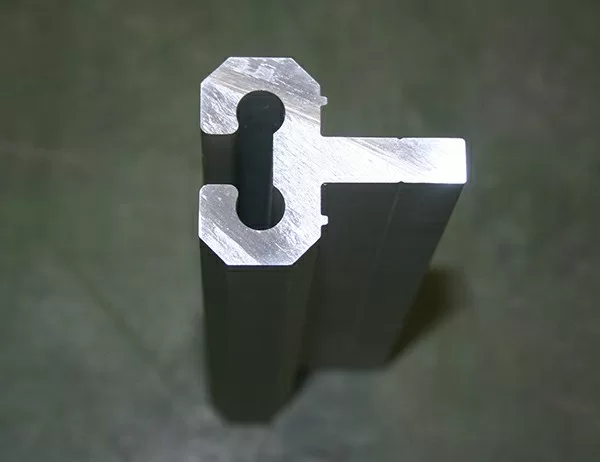
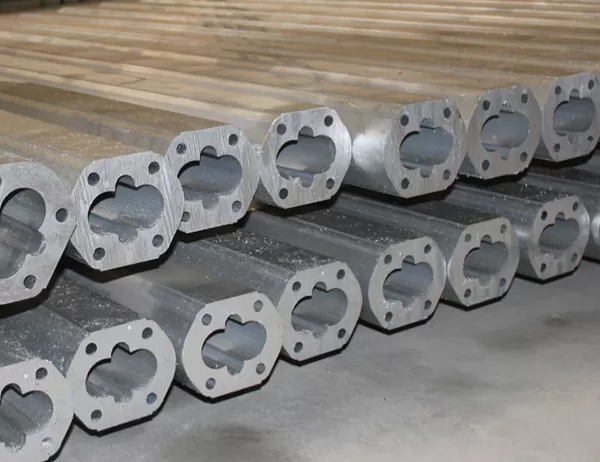
Industrial aluminum profiles are highly versatile and can be tailored to meet the specific requirements of different engineering projects. They come in various shapes, sizes, and thicknesses, allowing engineers to select the most appropriate profile for their needs. The ease of customization makes it possible to create profiles with complex geometries and precise tolerances, meeting even the most demanding design specifications.
Aluminum’s excellent thermal and electrical conductivity make industrial aluminum profiles suitable for projects involving heat dissipation and electrical current transmission. In high-power electronics, aluminum profiles act as efficient heat sinks, dissipating heat away from sensitive components and preventing overheating. Similarly, in electrical applications, aluminum’s high conductivity enables efficient current flow, minimizing power losses and improving electrical performance.
Industrial aluminum profiles offer excellent value for money, combining high performance with affordability. Their lightweight construction reduces transportation and installation costs, while their durability and low maintenance requirements minimize long-term expenses. Additionally, aluminum is a sustainable material that can be recycled and reused without compromising its properties.
Industrial aluminum profiles find applications in numerous engineering sectors, including:
Automotive: Lightweight chassis, body panels, and structural components
Construction: Window frames, curtain walls, and roofing systems
Industrial: Machinery frames, conveyor systems, and cleanroom structures
Electronics: Heat sinks, enclosures, and circuit boards
Transportation: Railcars, aircraft components, and marine structures
Industrial aluminum profiles are a cornerstone of modern engineering, offering a combination of strength, durability, versatility, and cost-effectiveness. Their wide range of applications across industries demonstrates their immense value in supporting the design and construction of complex and demanding projects. As engineering continues to evolve, industrial aluminum profiles will undoubtedly play an increasingly critical role in shaping the future of our built environment and technological advancements.