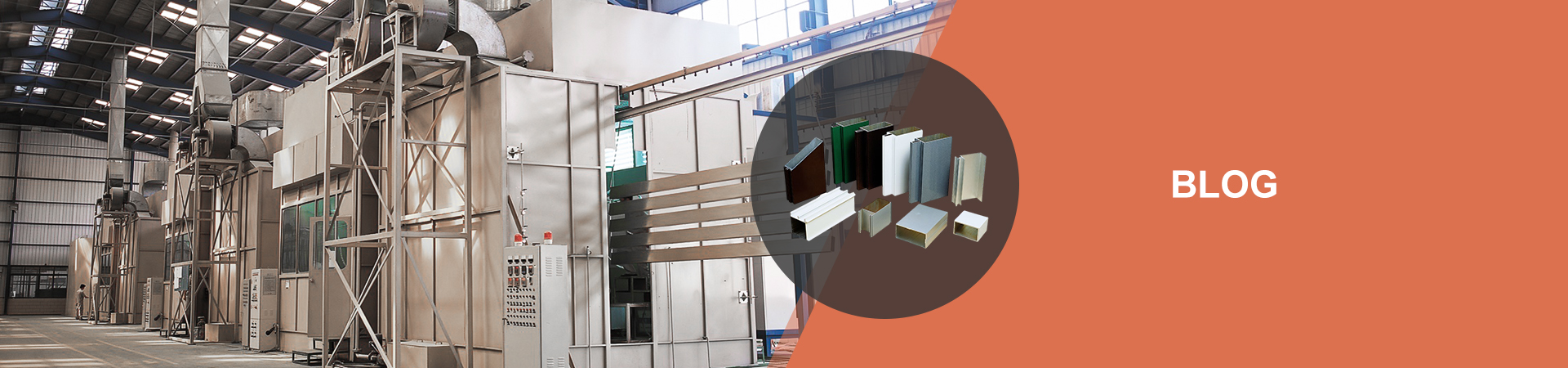
The incorporation of industrial aluminum profiles into manufacturing processes can significantly enhance efficiency, streamline operations, and improve product quality. These versatile components offer unique advantages that make them ideal for a wide range of applications.
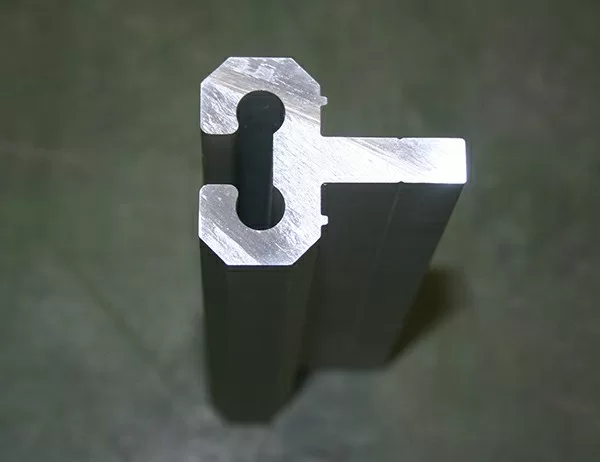
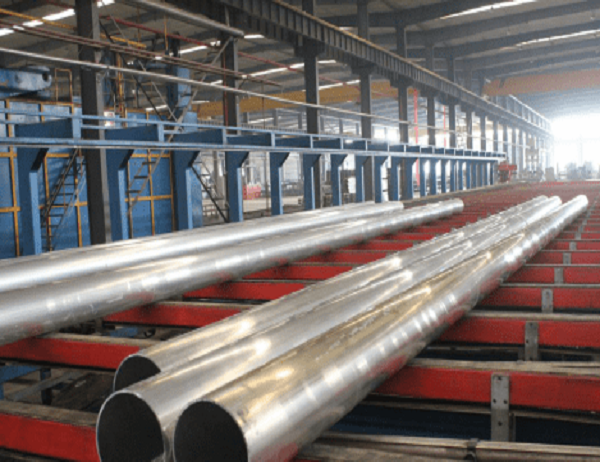
Industrial aluminum profiles are extruded to precise specifications, ensuring consistent dimensions and high accuracy. This precision translates to reduced waste, improved assembly times, and enhanced product quality. The dimensional stability of aluminum profiles minimizes variations, eliminating the need for extensive rework and ensuring a smooth manufacturing process.
Aluminum is a lightweight material, which can reduce the overall weight of manufactured products. This reduction in weight can improve efficiency by enabling faster production speeds and easier handling of components. Additionally, aluminum profiles exhibit high strength-to-weight ratios, making them durable and resistant to wear and tear. This durability contributes to extended product life and reduced maintenance costs.
Aluminum is highly resistant to corrosion, making industrial aluminum profiles ideal for use in harsh environments. They do not rust or degrade easily, eliminating the need for frequent maintenance or protective coatings. This resistance to corrosion ensures the longevity of the aluminum profiles and the products they are incorporated into.
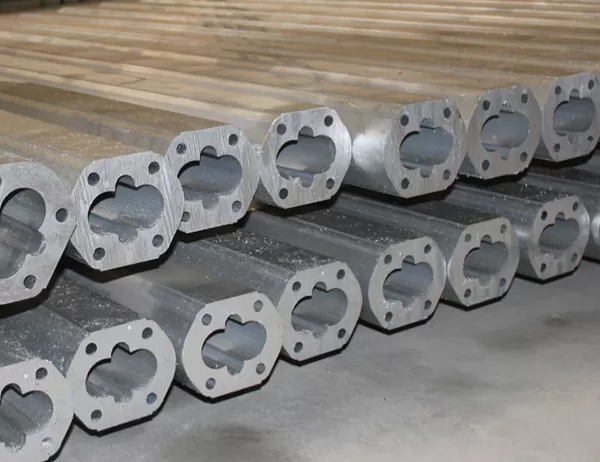
Industrial aluminum profiles come in a wide range of shapes and sizes, offering design flexibility to meet specific manufacturing requirements. They can be easily customized to accommodate different applications, including framing, enclosures, and machinery components. The ability to tailor aluminum profiles to specific needs allows manufacturers to optimize their designs for maximum efficiency and functionality.
Industrial aluminum profiles often utilize interlocking systems or standard fasteners, making them easy to assemble and disassemble. This ease of assembly allows for quick and convenient installation, reducing labor costs and downtime. Additionally, the ability to quickly disassemble profiles facilitates maintenance, repairs, and upgrades, ensuring a high level of operational efficiency.
Aluminum is a recyclable material, contributing to the environmental sustainability of industrial aluminum profiles. Recycling reduces waste and conserves natural resources. Furthermore, the lightweight nature of aluminum profiles helps reduce transportation emissions, further contributing to environmental protection.
By incorporating industrial aluminum profiles into their manufacturing processes, businesses can achieve significant efficiency gains, improve product quality, and contribute to environmental sustainability. Their precision, lightweight, durability, corrosion resistance, design flexibility, easy assembly, and environmental friendliness make them ideal for a variety of manufacturing applications. The incorporation of aluminum profiles into the manufacturing sector has revolutionized production processes, enabling manufacturers to optimize efficiency and achieve greater success.