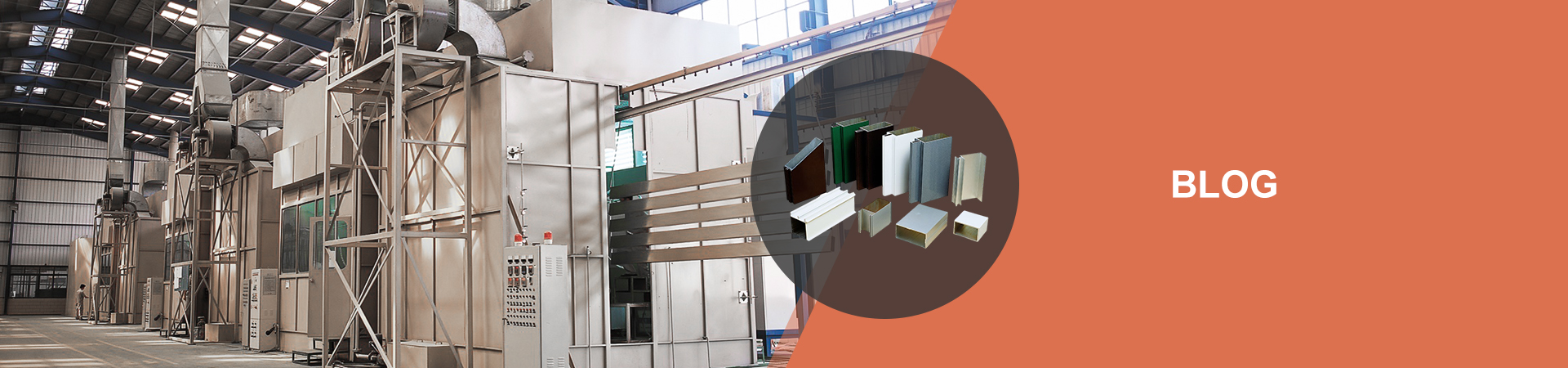
Industrial aluminum profiles are widely used in construction, machinery, and other industries due to their exceptional strength, flexibility, and durability. These profiles are produced in various shapes and dimensions, allowing for customization to meet specific application requirements. Here’s a comprehensive overview of how industrial aluminum profiles enhance strength and flexibility:
High Strength-to-Weight Ratio
Aluminum is known for its low density, making aluminum profiles lightweight and easy to handle. Despite this low weight, aluminum alloys possess remarkable strength, comparable to or exceeding that of steel in some cases. This combination of strength and lightness makes aluminum profiles ideal for applications where both structural integrity and weight reduction are critical.
Corrosion Resistance
Industrial aluminum profiles are highly resistant to corrosion, thanks to their natural oxide layer. This oxide layer protects the aluminum from environmental factors like moisture, acids, and alkalis. The high corrosion resistance of aluminum profiles ensures their long-term performance and durability, especially in harsh or outdoor environments.
Structural Rigidity
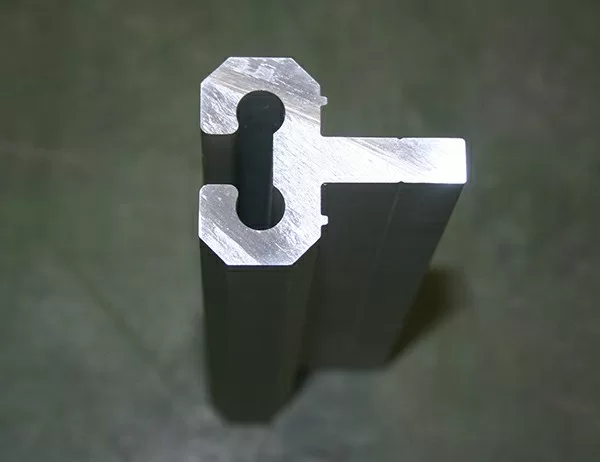
The design of industrial aluminum profiles optimizes their structural rigidity. The precise extrusion process creates profiles with consistent shapes and cross-sectional areas. This ensures uniform load distribution, preventing bending or deformation under stress. The inherent strength of aluminum and the optimized design provide excellent structural support and stability.
Impact Resistance
Industrial aluminum profiles exhibit good impact resistance, making them suitable for applications where sudden forces or collisions occur. The high strength and ductility of aluminum alloys allow the profiles to absorb and dissipate impact energy effectively. This impact resistance protects sensitive components or equipment from damage and ensures the integrity of the structure.
Formability and Flexibility
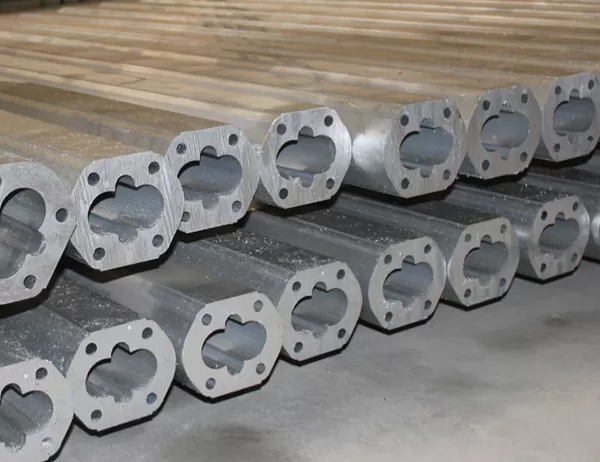
Aluminum is a highly malleable metal, allowing industrial aluminum profiles to be formed into complex shapes without losing their structural integrity. This formability enables the production of profiles that meet unique design requirements or fit into intricate spaces. The flexibility of aluminum profiles allows for adjustments and modifications on-site, making them a versatile and adaptable material for various applications.
Conclusion
Industrial aluminum profiles offer a winning combination of strength, flexibility, and durability. Their high strength-to-weight ratio, corrosion resistance, structural rigidity, impact resistance, and formability make them ideal for demanding applications. By understanding the advantages of these profiles, engineers and designers can optimize their designs and leverage the benefits of aluminum to achieve exceptional performance and longevity.