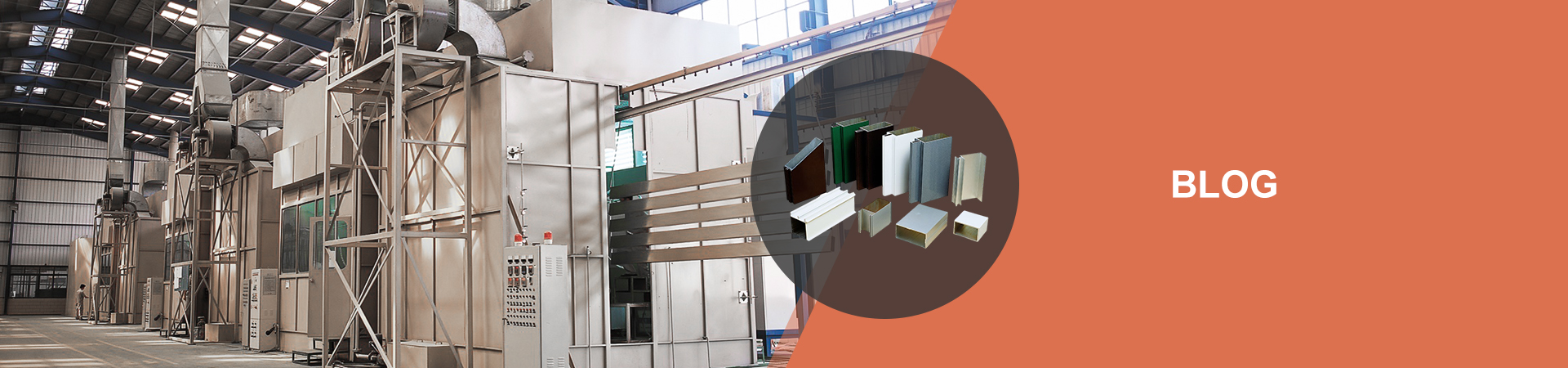
In the realm of construction, the pursuit of robust and enduring structures is paramount. Among the materials that have emerged as a cornerstone of this endeavor are industrial aluminum profiles. These extruded shapes, crafted from a lightweight yet incredibly sturdy alloy, offer a myriad of advantages that significantly enhance the structural integrity of various applications.
Exceptional Strength-to-Weight Ratio
Industrial aluminum profiles boast an impressive strength-to-weight ratio that surpasses many other construction materials. This unique characteristic enables them to withstand significant loads without incurring excessive weight. As a result, structures reinforced with these profiles can be lighter and more efficient, offering greater flexibility in design and reduced material consumption.
Resistance to Corrosion and Degradation
Unlike traditional materials such as steel, aluminum is highly resistant to corrosion and degradation. This attribute is crucial in harsh environments where moisture, salt, or chemicals can compromise structural integrity. By choosing industrial aluminum profiles, architects and engineers can create structures that maintain their strength and stability over extended periods, reducing maintenance costs and extending their lifespan.
Dimensional Precision and Stability
The extrusion process employed to manufacture industrial aluminum profiles ensures precise dimensional accuracy and stability. This consistency allows for seamless assembly and eliminates the risk of structural weaknesses caused by misaligned components. Additionally, the low coefficient of thermal expansion of aluminum minimizes dimensional changes caused by temperature fluctuations, further enhancing the structural integrity of the application.
Versatility and Flexibility
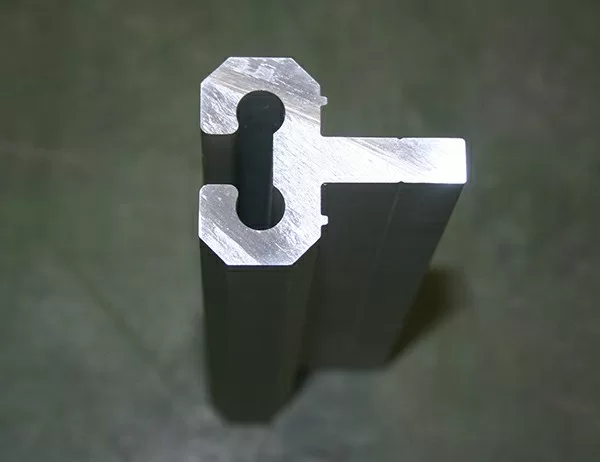
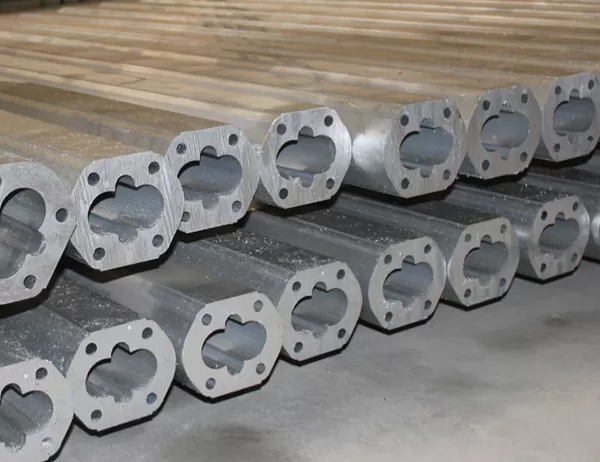
Industrial aluminum profiles come in a wide range of shapes, sizes, and thicknesses, providing unparalleled versatility. This extensive selection enables engineers to optimize the design of structural elements, tailoring them to meet specific load requirements and aesthetic preferences. The ability to customize the profiles allows for innovative solutions and unique architectural expressions.
Conclusion
Industrial aluminum profiles have revolutionized the construction industry by providing a material that significantly improves structural integrity. Their exceptional strength-to-weight ratio, resistance to corrosion and degradation, dimensional precision, and versatility make them an ideal choice for diverse applications, from commercial buildings and infrastructure to industrial machinery and transportation systems. By harnessing the power of aluminum profiles, engineers and architects can create structures that are stronger, lighter, more durable, and aesthetically pleasing, ensuring lasting performance and resilience in the face of demanding environments.