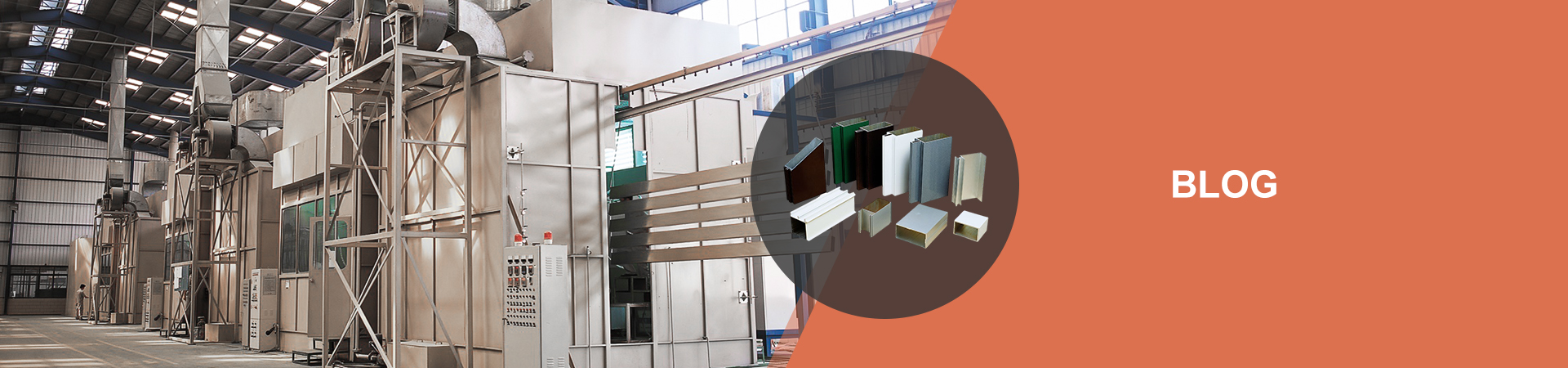
In the industrial realm, where precision and durability reign supreme, choosing the right aluminum profiles is paramount. These versatile extrusions form the backbone of countless applications, from heavy-duty machinery to sleek assembly lines. Understanding the diverse range of industrial settings and their specific requirements is essential for selecting the most effective profiles.
1. Manufacturing Environments
Extrusion Alloys: 6061, 6063, and 6082 alloys offer a balance of strength, corrosion resistance, and machinability.
Tolerances: Precision-extruded profiles ensure accurate dimensional stability, critical for automated manufacturing processes.
Surface Treatments: Anodizing or painting provides enhanced surface protection against scratches and wear.
2. Food Processing Facilities
Hygiene: Profiles should be FDA-compliant, with smooth surfaces that prevent bacteria growth.
Corrosion Resistance: Stainless steel or anodized aluminum profiles prevent contamination from corrosive chemicals.
Thermal Stability: Profiles with low thermal expansion coefficients are less prone to deformation under temperature fluctuations.
3. Pharmaceutical & Medical Settings
Sterilization: Profiles must withstand high-temperature sterilization processes without compromising structural integrity.
Cleanability: Electro-polished surfaces facilitate efficient disinfection and prevent the accumulation of contaminants.
Material Purity: Profiles made from high-purity aluminum alloys ensure minimal leaching of harmful substances.
4. Robotics & Automation
Lightweight: Aluminum profiles reduce the overall weight of robotic systems, improving speed and energy efficiency.
Modular Design: Profiles with interlocking or click-in features enable rapid assembly and reconfiguration.
Strength-to-Weight Ratio: Profiles with high-strength alloys withstand dynamic loads and vibrations associated with automation.
5. Aerospace & Transportation
Weight Optimization: Aluminum profiles are essential for lightweight construction in airplanes and vehicles, maximizing fuel efficiency.
Durability: Profiles with high fatigue strength and corrosion resistance withstand extreme environmental conditions.
Thermal Control: Aluminum’s high thermal conductivity allows for efficient heat dissipation in critical components.
Conclusion
Selecting the appropriate industrial aluminum profiles is a multifaceted process that requires careful consideration of the specific operating environment. By understanding the critical requirements of different industrial settings, manufacturers can optimize their designs, ensure efficiency, and achieve long-term reliability. From manufacturing plants to pharmaceutical facilities, industrial aluminum profiles play a vital role in shaping the future of industrial innovation and productivity.