How to Choose the Best Aluminum Frame for Solar Panels: The Key to Ensuring Optimal Performance
In the realm of solar energy, choosing the right aluminum frame for your solar panels is a pivotal decision that can profoundly impact their performance and longevity. With a plethora of options available, it can be daunting to navigate the myriad of factors that determine the ideal frame for your specific needs. This comprehensive guide will illuminate the intricacies of aluminum frames, empowering you to make an informed choice that will maximize your solar investment.
Key Considerations:
Strength and Durability: The frame must withstand the rigors of harsh weather conditions, including strong winds, heavy snowfall, and potential hail impact.
Corrosion Resistance: Aluminum frames must exhibit excellent resistance to corrosion, ensuring they maintain their structural integrity over time, especially in coastal or industrial areas.
Weight: The frame should be lightweight enough for easy handling and installation, while providing sufficient strength and rigidity.
Design and Aesthetics: Consider the aesthetics of the frame and how it will complement the overall design of your property.
Cost: The cost of the frame should be factored into your budget, balancing affordability with the desired features and performance.
Material Properties of Aluminum Frames:
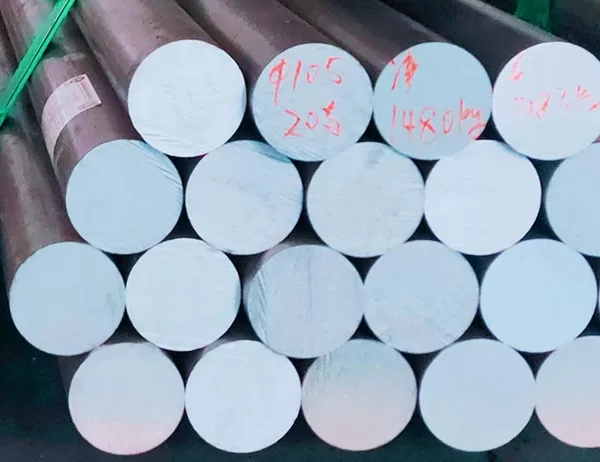
Alloy Composition: The strength and durability of an aluminum frame is determined by its alloy composition. Look for frames made from high-strength alloys such as 6005-T5 or 6061-T6.
Anodizing: Anodizing is a process that creates a protective oxide layer on the aluminum surface, enhancing corrosion resistance and durability.
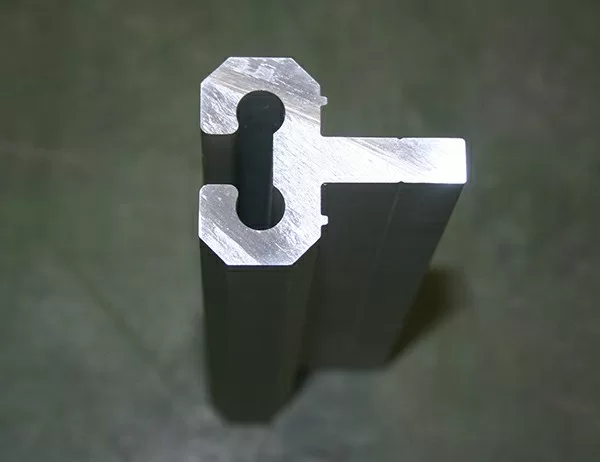
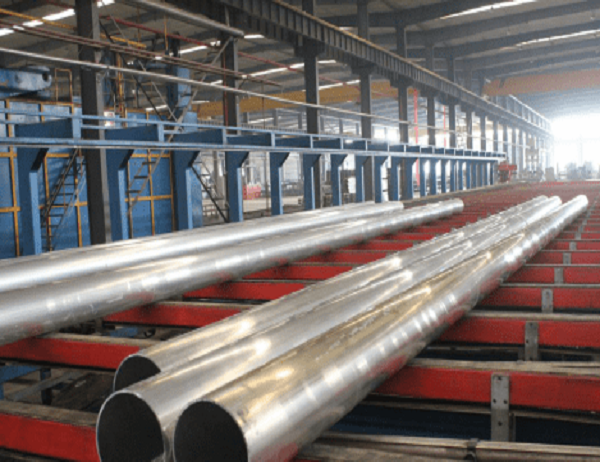
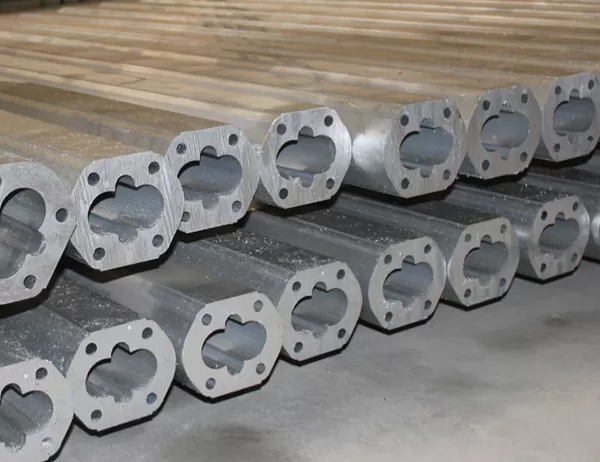
Extrusion Process: The extrusion process involves shaping the aluminum into the desired frame profile. High-quality extrusion techniques ensure smooth surfaces and consistent dimensions.
Evaluation and Selection:
Reputable Manufacturers: Choose frames from reputable manufacturers with a proven track record of producing high-quality products.
Certification and Standards: Look for frames that meet industry standards and certifications, such as UL (Underwriters Laboratories) or IEC (International Electrotechnical Commission).
Compatibility: Ensure that the frame is compatible with the size and type of solar panels you plan to install.
Warranty and Support: Consider the warranty period and the level of support provided by the manufacturer.
By carefully considering these factors and consulting with qualified professionals, you can select the best aluminum frame for your solar panels, ensuring optimal performance, durability, and aesthetic appeal for years to come.