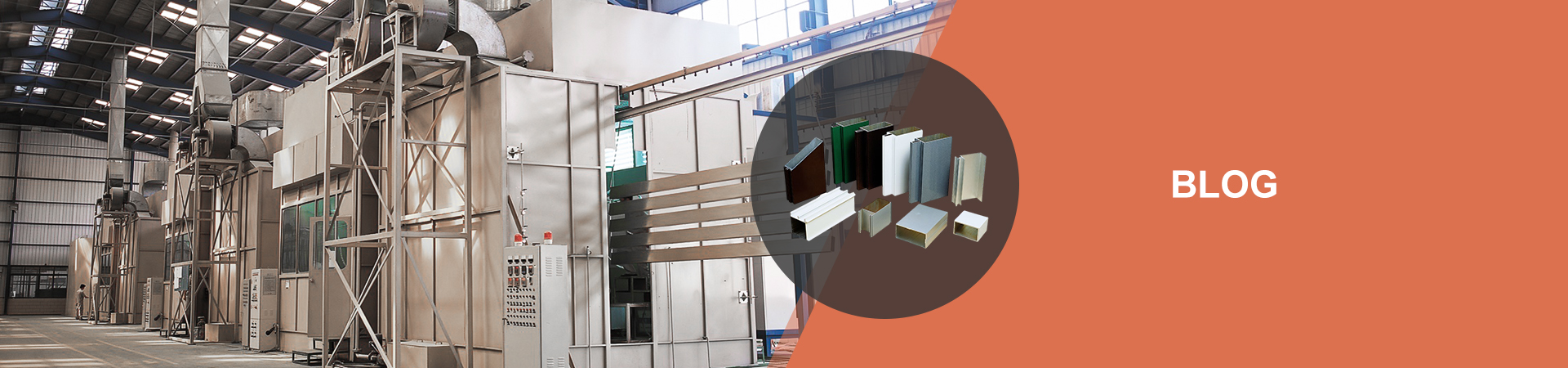
Aluminum profiles are becoming increasingly popular for wardrobes due to their strength, durability, and lightweight design. Choosing the right aluminum profile for your wardrobe can greatly enhance its functionality and aesthetics. Here’s a comprehensive guide to help you make an informed decision:
The alloy composition of aluminum profiles determines their strength, corrosion resistance, and overall durability. Common alloys used in wardrobe profiles include:
6063: Standard alloy with good strength and corrosion resistance, suitable for most applications.
6061: Aircraft-grade alloy with exceptional strength and rigidity, recommended for heavy-duty wardrobes.
6463: Corrosion-resistant alloy with a high silicon content, ideal for humid environments.
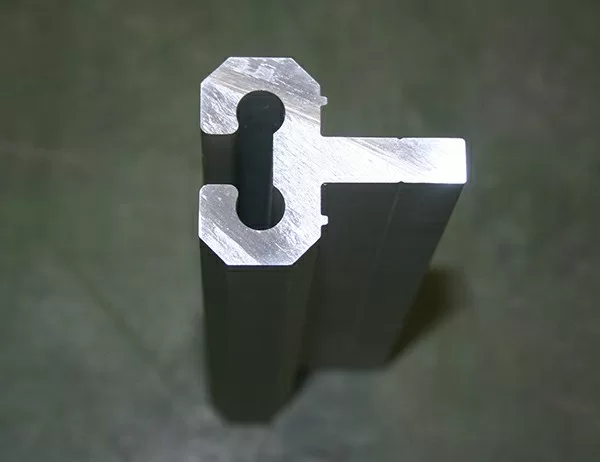
The shape and size of aluminum profiles dictate their load-bearing capacity and aesthetics. Common profile shapes include:
T-slot: Versatile profile with a T-shaped cross-section, allowing for easy installation of accessories.
U-channel: C-shaped profile with a flat surface, suitable for supporting heavy loads.
L-angle: L-shaped profile used for reinforcement and corner joints.
The size of the profile is determined by its width and thickness, which should be selected based on the weight of the wardrobe and the desired load-bearing capacity.
Aluminum profiles can undergo various surface treatments to improve their aesthetics, corrosion resistance, and durability:
Anodizing: Electrolytic process that creates a protective oxide layer, increasing wear resistance and corrosion resistance.
Powder coating: Spray-on coating that provides a durable and decorative finish, available in a wide range of colors.
Woodgrain finish: Coating that mimics the look and texture of wood, adding warmth and elegance to the wardrobe.
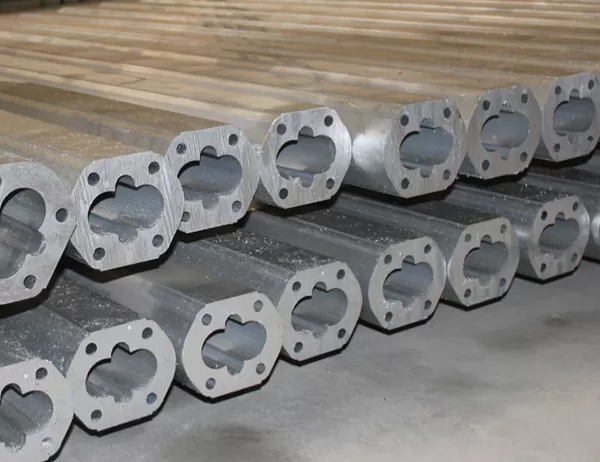
Aluminum wardrobe profiles often feature slots or grooves along their length, which allow for the installation of accessories and shelves. The following aspects should be considered:
Slot size: The size and shape of the slots should match the dimensions of the accessories or shelves used.
Slot spacing: The distance between slots should be appropriate for the weight of the items stored and the desired load-bearing capacity.
Slot reinforcement: Larger slots or slots used for heavy loads may require reinforcement to prevent bending.
Proper installation is crucial for the longevity and performance of aluminum wardrobe profiles:
Joinery: Profiles can be joined using corner connectors, self-tapping screws, or welding, depending on the profile shape and desired strength.
Leveling: Profiles should be carefully leveled to ensure proper alignment and prevent sagging or buckling.
Bracing: Larger or heavier wardrobes may require additional bracing or support to enhance stability.
Choosing the right aluminum profile for your wardrobe requires careful consideration of various factors, including alloy composition, profile shape and size, surface treatment, slot design, and installation considerations. By understanding these aspects and making an informed decision, you can ensure that your wardrobe not only meets your functional needs but also complements your home decor and stands the test of time.