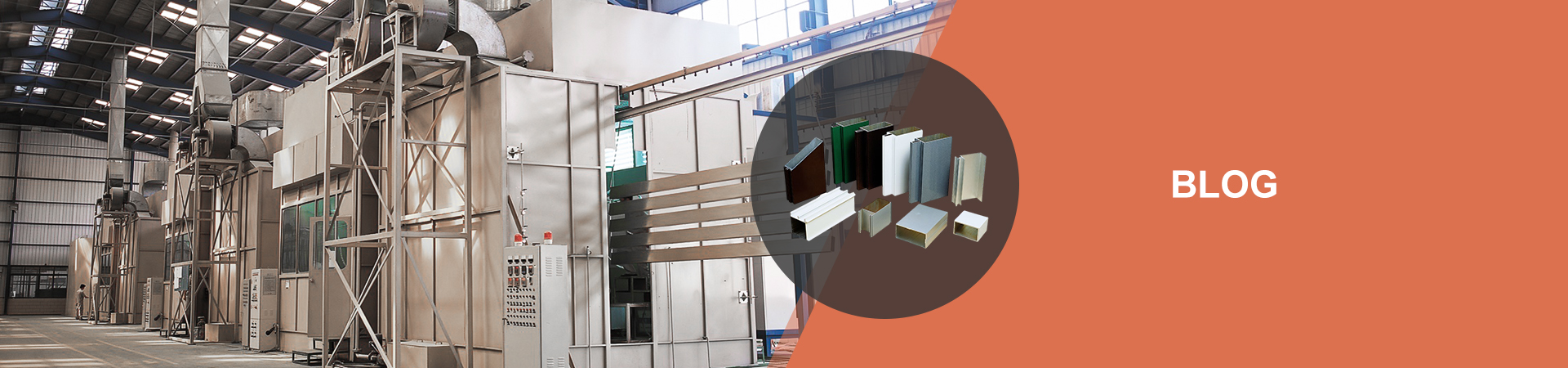
Selecting the ideal aluminum track profile for your project involves careful consideration of various factors. This guide provides comprehensive insights to assist you in making an informed decision that aligns precisely with your specific requirements.
Intended Application
The intended application of the track profile will significantly influence your choice. Consider the following factors:
– Type of Material: Aluminum tracks can accommodate a wide range of materials, including glass, acrylic, polycarbonate, and more. Each material has unique properties that require specific track designs.
– Weight and Load Capacity: The weight of the materials being supported and the anticipated load capacity will determine the strength and dimensions of the track profile required.
– Environmental Conditions: Consider the exposure to weather elements, temperature fluctuations, and potential corrosion factors. The track profile should be corrosion-resistant and withstand the environmental conditions of the installation.
Design Considerations
The aesthetic and functional aspects of the track profile play a crucial role in the overall design of your project:
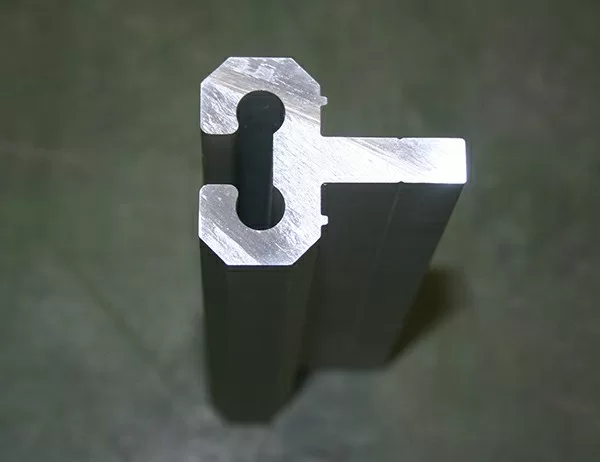
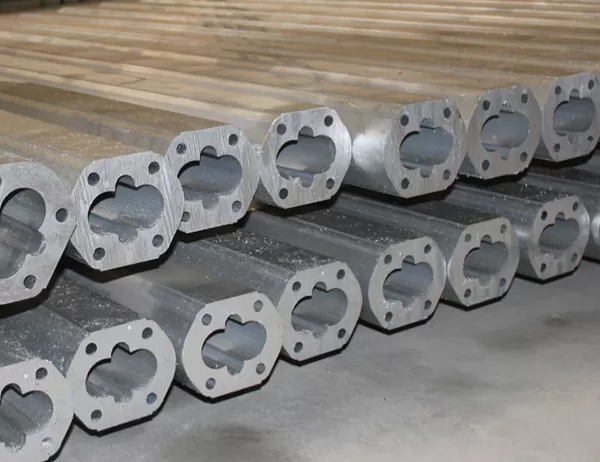
– Shape and Style: Aluminum tracks are available in various shapes, such as U-channels, C-channels, and tubular profiles. The shape and style should complement the design scheme and provide the desired visual appeal.
– Size and Dimensions: The height, width, and length of the track profile will depend on the size and weight of the materials being supported. Adequate space for accommodating gaskets and seals is also essential for a secure connection.
– Surface Finish: The surface finish of the track profile can enhance the aesthetic value and protect against wear and tear. Options include anodized finishes, powder coating, or custom paint colors.
Technical Specifications
The technical specifications of the track profile will ensure its structural integrity and performance:
– Material and Composition: The quality of the aluminum used and the alloy composition will determine the strength, corrosion resistance, and durability of the track profile.
– Thickness and Strength: The thickness of the track profile is critical for load-bearing capacity. Consider the bending moment, shear force, and deflection requirements of your application.
– Compatibility with Accessories: The track profile should be compatible with the required accessories, such as gaskets, end caps, connectors, and suspension systems.
Manufacturer Credibility
Choosing a reputable and experienced manufacturer is essential for ensuring the quality and reliability of the aluminum track profile:
– Industry Reputation: Research the manufacturer’s reputation and experience in the industry. Refer to customer reviews and testimonials to assess their trustworthiness and performance track record.
– Product Testing and Certification: Verify that the track profile meets industry standards and has undergone rigorous testing and certification. This ensures compliance with safety regulations and performance expectations.
– Technical Support and Warranty: Consider the manufacturer’s level of technical support and warranty offerings. This will provide peace of mind and ensure timely assistance if any issues arise during or after installation.