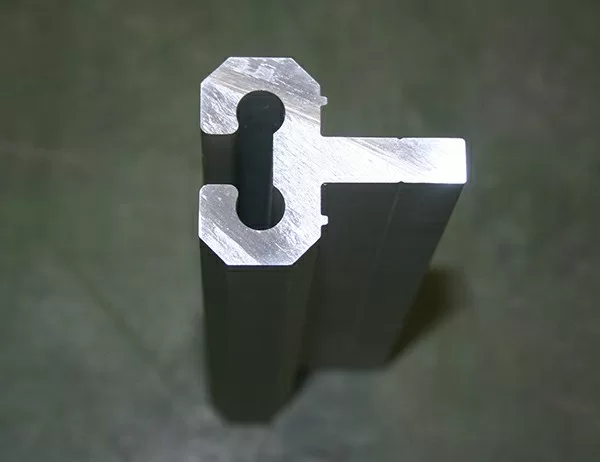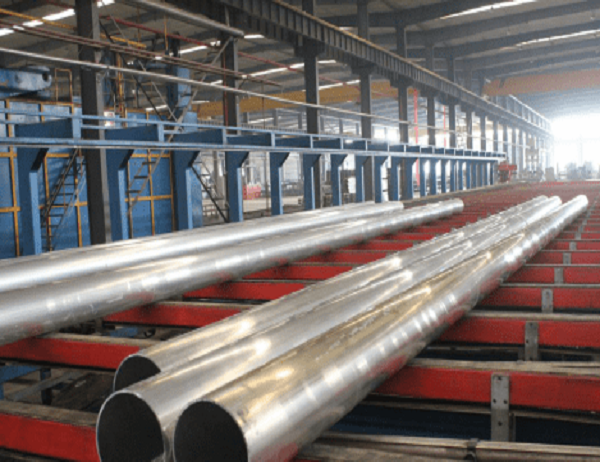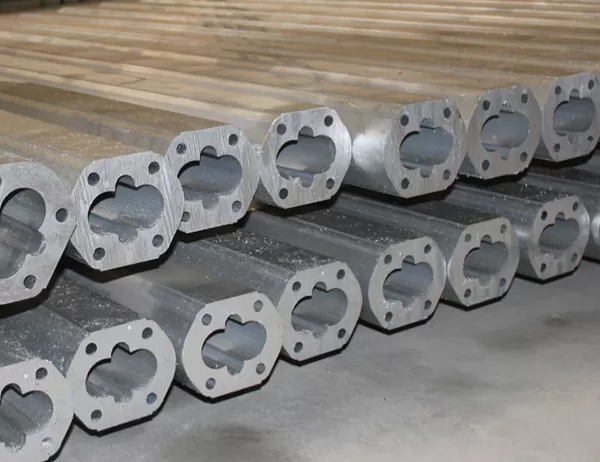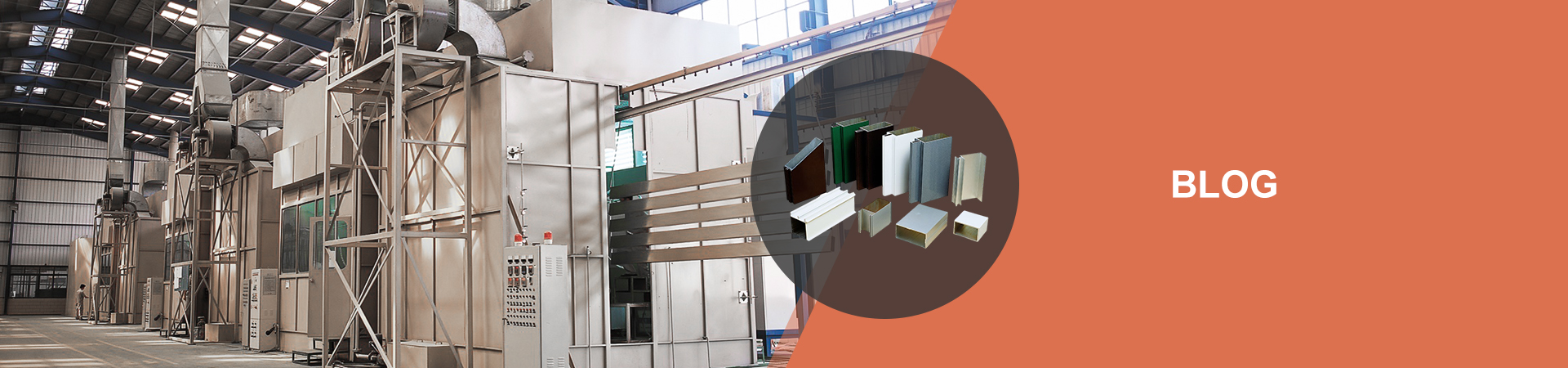
In the realm of construction and design, aluminium extrusion pipes stand as versatile and indispensable building blocks, shaping countless structures and products. With their exceptional strength-to-weight ratio, corrosion resistance, and customizable profiles, aluminium extrusion pipes have revolutionized various industries. However, navigating the vast landscape of aluminium extrusion pipe options can be a daunting task.
Understanding the Basics
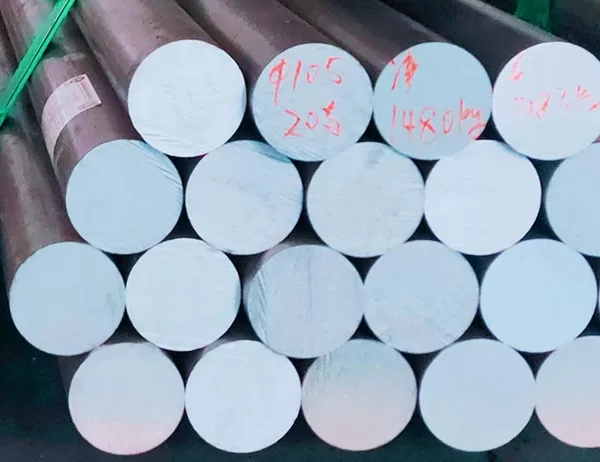
Aluminium extrusion involves forcing molten aluminium through a die, creating precise and complex shapes. The resulting pipes can vary in size, alloy composition, temper, and surface finish. Each of these factors plays a crucial role in determining the pipe’s suitability for a specific application.
Choosing the Right Alloy
The alloy composition defines the pipe’s strength, durability, and weldability. Common alloys used for aluminium extrusion pipes include:
6061: A versatile alloy offering a good balance of strength and workability.
6063: Highly corrosion-resistant, suitable for marine or outdoor applications.
7075: Exceptionally strong and lightweight, making it ideal for aerospace and transportation industries.
Tempering the Pipe
Tempering is a heat treatment process that alters the pipe’s mechanical properties. Common tempers include:
T4: Work-hardened to enhance strength and hardness.
T6: Artificially aged to increase strength and durability.
T8: Stress-relieved to improve machinability and weldability.
Selecting the Surface Finish
The surface finish refers to the protective layer applied to the pipe. Options include:
Anodizing: Creates a hard, decorative oxide layer that enhances corrosion resistance and aesthetics.
Powder coating: Electrostatically applied paint that provides a uniform and durable finish.
Mill finish: Raw, untreated surface with a natural silver color.
Matching Your Needs
The key to selecting the right aluminium extrusion pipe lies in understanding your project’s specific requirements. Consider factors such as:
Load-bearing capacity: Determine the pipe’s ability to withstand forces.
Environmental exposure: Select alloys and finishes that resist corrosion or weathering.
Aesthetics: Consider the desired appearance of the pipe.
Cost: Balance performance and budget to find the optimal solution.
By carefully evaluating these factors, you can confidently choose the aluminium extrusion pipe that perfectly aligns with your project’s needs. Embrace the versatility and innovation of aluminium extrusion to create structures that are both functional and aesthetically pleasing.