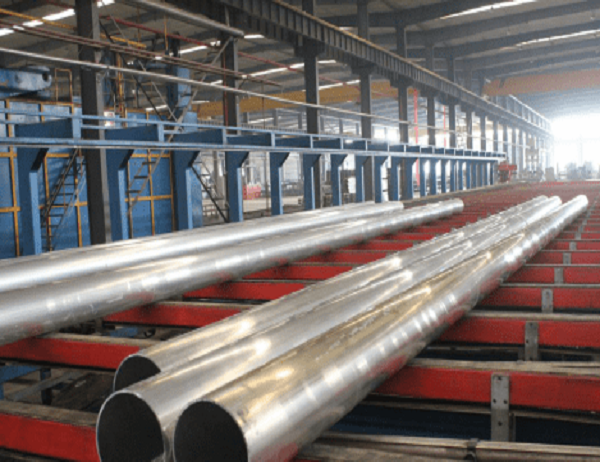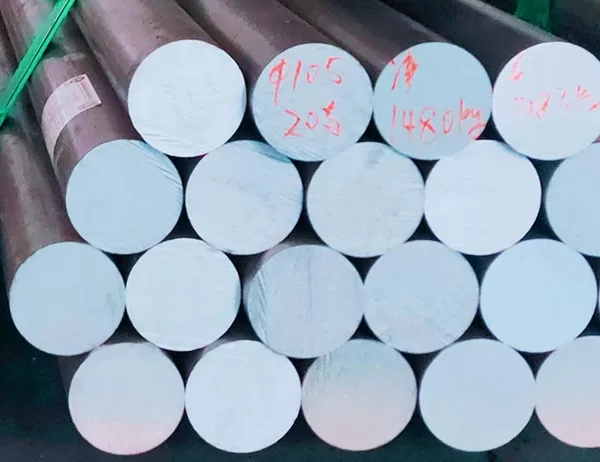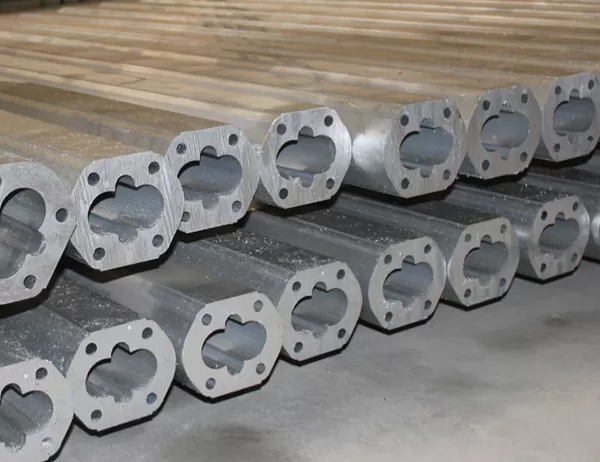
In the realm of structural engineering, where strength and weight play a pivotal role, aluminum alloy pipes emerge as a prime choice. These pipes offer an exquisite blend of these two crucial properties, making them the cornerstone of countless applications across diverse industries. However, navigating the labyrinth of aluminum alloys can be a daunting task. This guide will illuminate the path, equipping you with the knowledge to select the perfect alloy pipe for your specific needs.
Understanding Strength and Weight Considerations
Strength is paramount in ensuring the structural integrity of your project. Aluminum alloys are classified into several series, each boasting distinct strength properties. For example, 6000 series alloys offer high strength-to-weight ratios, while 7000 series alloys excel in high-performance applications.
Weight, on the other hand, is equally crucial, especially when minimizing the overall mass of your structure. By opting for alloys with lower densities, you can significantly reduce the weight burden without compromising strength.
Matching Alloy to Application
The key to choosing the right aluminum alloy pipe lies in meticulously matching the alloy’s properties to your application’s specific requirements. Consider the following factors:
Load-bearing capacity: The pipe’s ability to withstand external forces determines the strength required.
Corrosion resistance: The alloy’s resistance to environmental elements ensures longevity in harsh conditions.
Weldability: The ease of welding determines how effectively the pipe can be integrated into your design.
Common Alloy Pipes and Their Properties
Below is a table summarizing common aluminum alloy pipes and their properties:
| Alloy | Strength (MPa) | Weight (g/cm3) |
|—|—|—|
| 6061 | 310 | 2.70 |
| 6063 | 276 | 2.70 |
| 7075 | 572 | 2.81 |
| 7050 | 503 | 2.70 |
Conclusion
Choosing the right aluminum alloy pipe based on strength and weight is a critical step in ensuring the success of your project. By carefully considering the factors discussed in this guide, you can select an alloy that seamlessly aligns with your application’s specific requirements. Remember, the optimal choice is the one that strikes the perfect balance between strength and weight, enabling you to construct structures that are both robust and efficient.