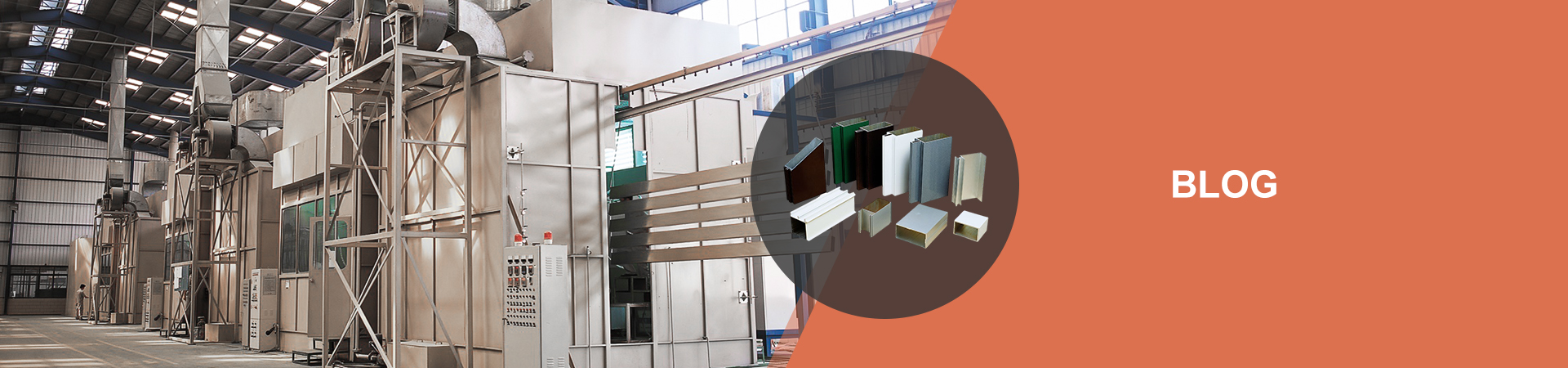
Aluminum track profiles are versatile components that find applications in various industries, from construction and manufacturing to automotive and aerospace. To tailor these profiles to specific requirements, customization is essential. This article explores the diverse ways to customize aluminum track profiles, empowering you with the knowledge to create profiles that perfectly align with your unique needs.
Dimensions and Shapes
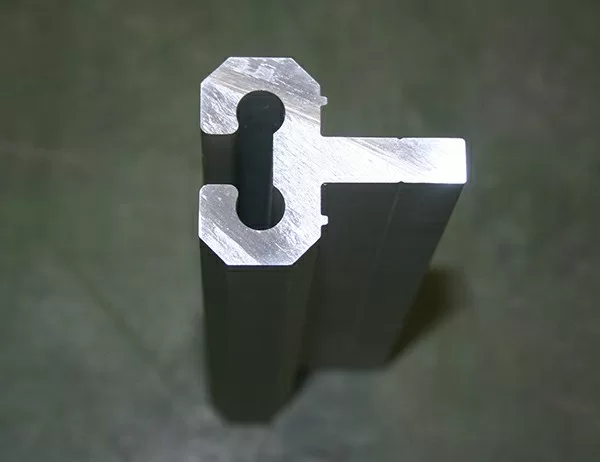
Customizing dimensions and shapes is paramount for ensuring compatibility with different applications. Aluminum profiles can be extruded to precise lengths, widths, and heights. They can also be shaped into various cross-sections, including C-channels, U-channels, T-slots, and angle profiles. This flexibility allows you to integrate the profiles seamlessly into existing structures or create custom designs.
Material Composition
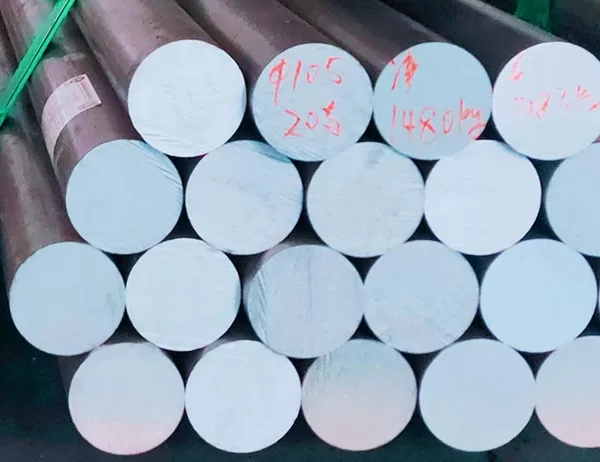
The composition of the aluminum alloy can be tailored to enhance specific properties. Standard alloys like 6063 and 6061 provide a balance of strength and ductility. For enhanced corrosion resistance, alloys like 6005 or 6082 are preferred. High-strength alloys like 7075 or 7050 are ideal for demanding applications where weight reduction is essential.
Surface Treatments
Customizing surface treatments protects the aluminum profiles from corrosion, wear, and aesthetic degradation. Anodizing creates a protective oxide layer that enhances durability and corrosion resistance. Powder coating offers a wide range of colors and textures, allowing you to match the profiles with your desired aesthetics and environmental conditions. Electroplating can be used to apply a conductive layer for electrical applications or to improve corrosion resistance.
Mechanical Properties
The mechanical properties of the profiles can be modified through heat treatment processes. Annealing reduces the strength but enhances ductility, making the profiles easier to shape or bend. Age hardening increases the strength and hardness, resulting in profiles suitable for high-load applications. Tempering balances strength and ductility, providing optimal properties for general usage.
Accessories and Integration
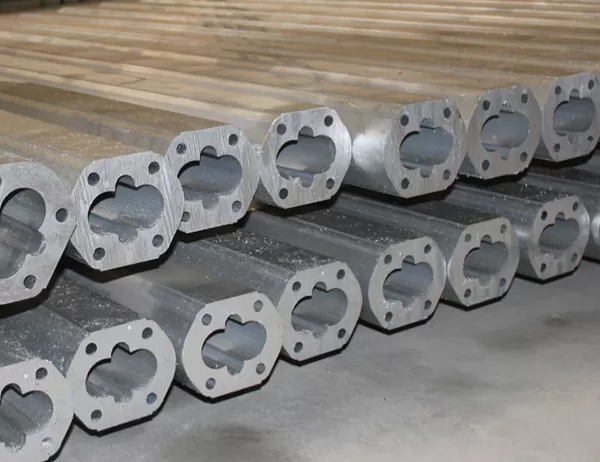
Customizing with accessories and integration features expands the functionality and versatility of the profiles. T-slot nuts, brackets, and connectors can be integrated into the profiles to facilitate easy assembly and attachment to other components. Recesses, cutouts, and holes can be added to accommodate specific fittings or equipment. By incorporating these features, you can create profiles that seamlessly integrate with your system.
Conclusion
Customizing aluminum track profiles enables you to meet the unique requirements of your applications. By tailoring dimensions, shapes, material composition, surface treatments, mechanical properties, and accessories, you can create profiles that are specifically optimized for your needs. This customization ensures optimal performance, compatibility, and durability, allowing you to achieve your desired results. Embracing the customization capabilities of aluminum track profiles empowers you to unlock their full potential and create solutions that meet the demands of your specific requirements.