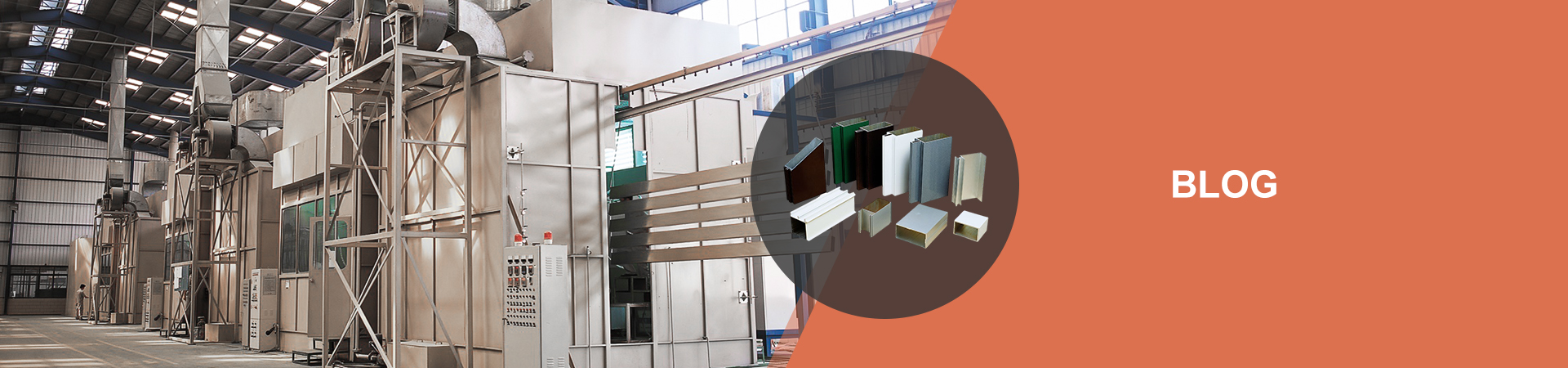
In the realm of industrial applications, extruded aluminum tubes play a vital role as lightweight, durable, and versatile structural components. Whether for automotive, construction, or medical industries, customizing these tubes to meet specific requirements is crucial for optimal performance and functionality. This article delves into the intricacies of aluminum tube customization, empowering engineers and manufacturers to tailor these tubes to their unique needs.
The Alchemy of Extruded Aluminum Tubes
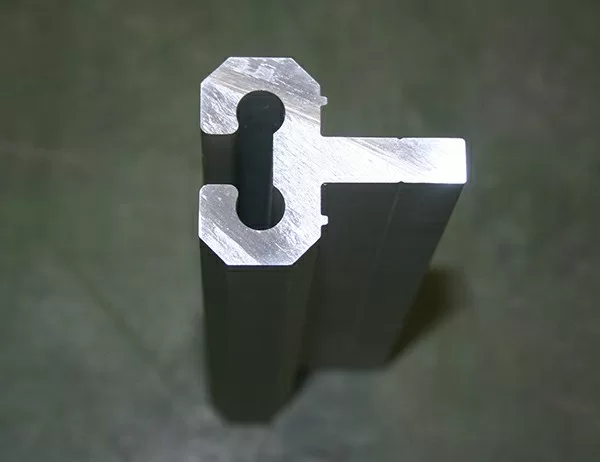
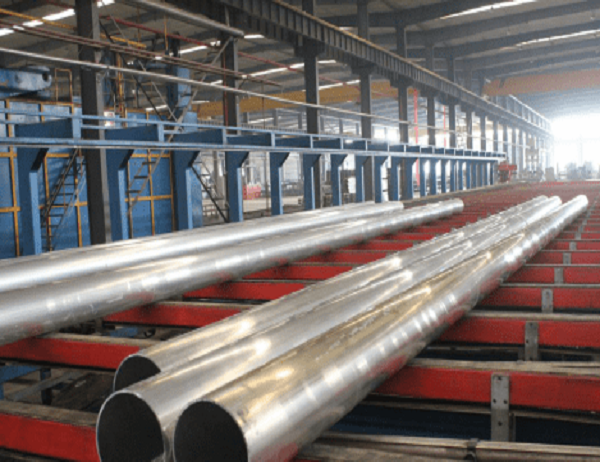
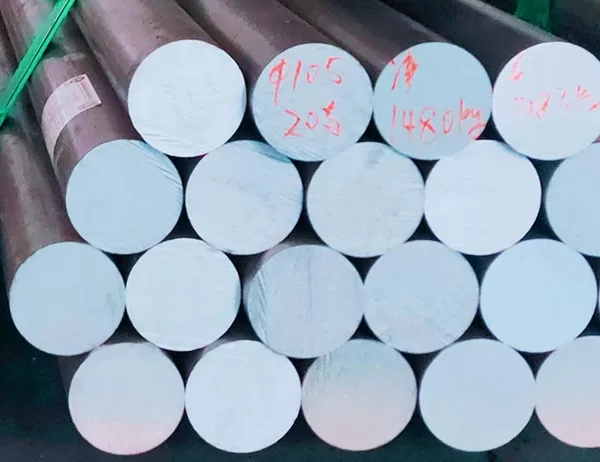
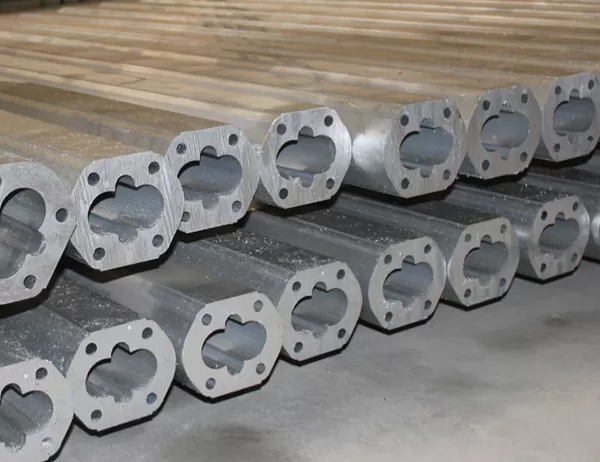
Extruded aluminum tubes are the result of a precise process involving the heating and forcing of molten aluminum through a shaped die. This process creates a continuous tubular profile with consistent dimensions and a smooth surface finish. By controlling the die design, it is possible to customize the shape, size, and thickness of the tube to suit specific applications.
Tailoring Properties for Enhanced Performance
Customization extends beyond physical dimensions to encompass the inherent properties of aluminum tubes. Tempering, or heat treatment, allows for precise control over their strength, hardness, and corrosion resistance. Alloying with other elements, such as copper, magnesium, and silicon, can further enhance these properties, resulting in tubes that are lightweight yet robust and suitable for demanding environments.
Specialized Coatings and Finishes
To meet specific requirements, additional coatings and finishes can be applied to aluminum tubes. Anodizing improves corrosion resistance and provides a decorative touch, while powder coating offers a wider range of colors and textures. Special coatings, such as Teflon or PTFE, can impart non-stick properties or enhance thermal insulation.
Meeting Industry Standards
Customized extruded aluminum tubes must adhere to industry standards to ensure compliance and safety. Fabricators can obtain certifications such as ISO 9001 or TS 16949, which demonstrate their ability to meet stringent quality and performance requirements. These certifications assure manufacturers that the tubes they procure meet their specifications and industry guidelines.
Conclusion
Customizing extruded aluminum tubes empowers engineers and manufacturers to create tubular components that meet their specific requirements. By controlling the die design, tailoring properties, applying specialized coatings, and adhering to industry standards, these tubes can be optimized for a wide range of applications. Understanding the customization process empowers stakeholders to leverage the versatility and adaptability of aluminum tubes, unlocking innovative solutions and enhancing the performance of their products.